

Ever wondered how to shield your precious tomato plants from the harsh bite of cold weather? Picture this: you’ve nurtured your tomato garden with care, only to have frost threaten your hard work overnight. What can you do to safeguard your plants and ensure a bountiful harvest?
Key Takeaways
- Tomato plants are sensitive to cold temperatures due to their tropical origin, with growth slowing significantly below 50°F (10°C).
- Exposure to freezing temperatures can cause cell damage, wilting, and even death of tomato plants, weakening their immune system.
- Select cold-tolerant tomato varieties like ‘Siberian’ or ‘Glacier’ and time planting after the last frost date to protect plants from cold.
- Use physical protection strategies such as cloches, row covers, and mulching to create a microclimate that shields tomato plants from freezing temperatures.
- Advanced techniques like constructing cold frames or implementing heating systems can provide additional defense against cold weather for tomato plants.
Understanding Tomato Plant Cold Sensitivity
Tomatoes, like many plants, are sensitive to cold temperatures. Here’s why your tomato plants are vulnerable to the cold and what impact low temperatures can have on them:
Why Tomatoes Are Vulnerable to Cold
Tomato plants originated in warm regions and thrive in temperatures between 70-85°F (21-29°C). When exposed to cold temperatures below 50°F (10°C), their growth slows down significantly. The sensitivity of tomato plants to cold is due to their tropical origin, making them susceptible to frost damage.
Impact of Cold on Tomato Plants
Cold weather can have detrimental effects on tomato plants. Exposure to freezing temperatures, especially below 32°F (0°C), can cause cell damage in the plant tissues, leading to wilting and even death of the plant. Additionally, cold stress can weaken the plant’s immune system, making it more susceptible to diseases.
Understanding why tomato plants are vulnerable to cold and how low temperatures can harm them is crucial in taking proactive measures to protect your precious crop from winter chill.
Preventive Measures for Protecting Tomato Plants from Cold
When it comes to safeguarding your tomato plants from the cold, there are several preventive measures you can take to ensure they thrive even in chilly conditions. Here’s how you can protect your tomato plants:
Recommended Products

Product Features: Our plant covers are ideal for protecting all plant. Made from premium 1 oz/sq non-woven fabric, their durability and breathability ensuring both insulation against frost and facilitation of sunlight penetration for healthy plant growth

THICKER MATERIAL: Our plant freeze protection cover is made of UV stabilized polypropylene. Upgraded thicker 0.9oz./sq.yard lightweight but durable. Soft plant covers are friendly and no harm to your plants. Breathable non-woven fabric allow light, air go through the frost cloths and reach the plants.

※Big Size to cover large area : The size of our plant cover is 10x30ft, the size can cover large areas. You can cut the plant covers freeze protection into different sizes for different use. You can cover it over the plant such as shrub tomato, pepper, pumpkin, and so on.
Choosing the Right Varieties
Selecting cold-tolerant tomato varieties is crucial in ensuring your plants have a better chance of surviving colder temperatures. Opt for varieties specifically bred for cooler climates or those that exhibit resilience to frost. Examples of cold-tolerant tomato varieties include ‘Siberian,’ ‘Sub Arctic Plenty,’ and ‘Glacier.’
Timing Your Planting
Timing your planting correctly plays a significant role in protecting your tomato plants from the cold. Ensure you plant your tomatoes after the last frost date in your region to prevent them from being exposed to freezing temperatures. Consider using season extenders like row covers or cloches to shield young plants from sudden temperature drops.
By implementing these preventive measures, you can effectively shield your tomato plants from the detrimental effects of cold weather and set them up for a successful growing season.
Physical Protection Strategies
When it comes to safeguarding your tomato plants from the cold, there are various physical protection strategies you can employ. These methods aim to create a barrier between the plants and the harsh weather conditions, ensuring their survival and optimal growth.
Recommended Products

10 x 30-foot frost protection plant cover for defending plants from light frost, light snow, and mild cold conditions

Comprehensive Winter Protection for Your Garden: Our outdoor plant covers provide complete freeze protection for strawberries, vegetables, tomatoes, fruit trees, citrus plants, shrubs, and potted plants throughout the winter. This frost cloth plant freeze protection shields delicate plants from sudden temperature drops, frost, and strong winds, ensuring they survive harsh winter conditions. Ideal for those looking for frost blankets for outdoor plants and reliable plant freeze protection covers.
THICKER MATERIAL: Our plant freeze protection cover is made of UV stabilized polypropylene. Upgraded thicker 0.9oz./sq.yard lightweight but durable. Soft plant covers are friendly and no harm to your plants. Breathable non-woven fabric allow light, air go through the frost cloths and reach the plants.
Using Cloches and Row Covers
Cloches and row covers are effective tools for protecting tomato plants from chilly temperatures. Cloches are bell-shaped glass or plastic covers that act as mini-greenhouses for individual plants. Placing cloches over young tomato seedlings helps retain heat and shield them from frost during cold nights.
Row covers, on the other hand, are large sheets of lightweight fabric or plastic that can be draped over rows of plants. They provide insulation by trapping heat close to the ground and offer protection against frost damage. Row covers come in various thicknesses, with heavier covers providing more warmth than lighter ones.
By using cloches and row covers strategically, you can create a microclimate around your tomato plants that shields them from freezing temperatures and promotes healthy growth even in colder weather.
The Benefits of Using Mulch
Mulching is another essential technique for protecting tomato plants from the cold. Applying a layer of organic mulch such as straw, leaves, or grass clippings around the base of the plants helps regulate soil temperature by insulating the roots.
Mulch acts as a protective blanket that traps heat in the soil, preventing rapid temperature fluctuations that can stress plant roots. Additionally, mulch helps retain moisture in the soil, reducing water loss through evaporation and keeping the root zone consistently moist.
Furthermore, mulch suppresses weed growth around tomato plants, which not only competes for nutrients but also creates shade that can hinder plant development. By using mulch effectively, you can enhance soil quality, conserve moisture, regulate temperature fluctuations, and ultimately protect your tomato plants from cold-related stressors.
Advanced Techniques
When it comes to protecting your tomato plants from the cold, advanced techniques can offer additional layers of defense to ensure their well-being. Let’s explore some innovative methods to safeguard your plants in chilly conditions.
Recommended Products

ALL-SEASON PLANT PROTECTION - Safeguard your plants through the harsh winters with our breathable Plant Frost Cover, designed to shield against frost, freezing temperatures, snow, and harsh winds. Extend your growing season into the colder months while ensuring your plants thrive year-round.
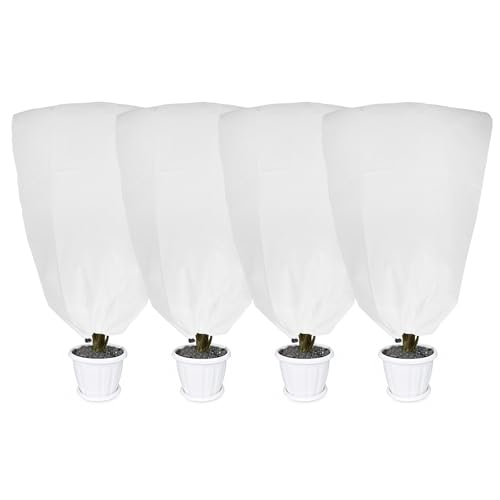
❄【Winter Plant Covers】-You will get 4 sets of frost blankets for outdoor plants measuring 47.2"×31.5", easy to use and fitting the growings easily. Perfect choice for your garden to protect plants in winter.

[6-Pack Medium Plant Covers for More Winter Protection]This 6 pack plant covers freeze protection set is designed for protecting multiple potted plants, rose bushes, tomato cages, small shrubs, young trees, and patio plants during cold weather
Constructing Cold Frames
Constructing cold frames is an effective way to shield your tomato plants from freezing temperatures and harsh weather conditions. These structures act as mini-greenhouses, providing a controlled environment that maintains warmth and protects your plants. By building cold frames around your tomato plants, you create a cozy haven that shields them from the chill and promotes healthy growth.
Implementing a Heating System
Implementing a heating system can be a game-changer in safeguarding your tomato plants during cold spells. Whether using electric heaters, heat lamps, or other heating devices, these systems help maintain optimal temperatures for your plants’ growth and development. By strategically placing heating sources near your tomato plants, you ensure they stay warm and thrive even when the mercury drops outside.
Conclusion
Protecting your tomato plants from the cold is crucial to ensure their health and productivity. By understanding their sensitivity to low temperatures and implementing advanced techniques like constructing cold frames and using heating systems, you can create a warm environment that promotes optimal growth. These strategies, combined with selecting cold-tolerant varieties, planting after the last frost date, using physical protection methods such as cloches and row covers, and applying mulch for soil insulation, form a comprehensive defense against frost damage. With these measures in place, you can enjoy robust tomato plants even in chilly weather. Remember, a little extra care during colder months goes a long way in safeguarding your precious tomato plants.
Frequently Asked Questions
Q: Why are tomato plants sensitive to cold temperatures?
A: Tomato plants are susceptible to cold temperatures due to their tropical origin, which makes them vulnerable to low temperatures that can slow down growth, cause cell damage, wilting, and weaken the plant’s immune system.
Q: What advanced techniques can be used to protect tomato plants from the cold?
A: Advanced techniques include constructing cold frames as mini-greenhouses to maintain warmth and implementing heating systems like electric heaters or heat lamps to ensure optimal temperatures for growth.
Q: How can gardeners safeguard tomato plants in chilly conditions?
A: Gardeners can protect tomato plants by selecting cold-tolerant varieties, timing planting after the last frost date, using physical protection strategies such as cloches and row covers, employing mulching to regulate soil temperature, and implementing additional layers of defense like cold frames and heating systems.
