

Have you ever admired the lush beauty of water lettuce floating gracefully on a pond? If you’re looking to add this stunning plant to your water garden or aquarium, you might wonder how to propagate it easily.
Key Takeaways
- Understanding Water Lettuce: Water lettuce (Pistia stratiotes) thrives in warm climates, known for its floating rosettes of light green leaves and rapid growth capabilities.
- Propagation Methods: The most common propagation method is through offsets, which grow quickly, but seeds can also be used, albeit less frequently.
- Ideal Environment: Successful growth requires a warm, nutrient-rich environment with proper sunlight and water conditions between 70°F and 85°F.
- Caring for Young Plants: Regularly monitor water levels, nutrient availability, and sunlight exposure to promote healthy growth and avoid deficiencies.
- Common Issues: Be aware of pests (like aphids and snails) and diseases that can affect water lettuce, and address them promptly to ensure plant health.
- Environmental Benefits: Propagating water lettuce enhances water quality, creates habitats for aquatic life, and adds aesthetic appeal to water gardens and aquariums.
Understanding Water Lettuce
Water lettuce (Pistia stratiotes) thrives in warm climates, known for its rosettes of light green leaves that resemble lettuce. This floating aquatic plant enhances ponds and aquariums with its aesthetic appeal while providing environmental benefits.
Characteristics of Water Lettuce
- Floating Leaves: Water lettuce features broad, fluffy leaves that can grow up to 6 inches long, floating on the water’s surface.
- Root System: It develops long, feathery roots that extend below the water, collecting nutrients directly from the water.
- Growth Rate: Water lettuce exhibits rapid growth, potentially doubling its numbers within a week under optimal conditions.
- Flowers: Although it rarely flowers, when it does, it produces small, inconspicuous greenish-white blooms.
- Natural Filtration: Propagating water lettuce helps improve water quality by absorbing excess nutrients, reducing algae growth.
- Habitat Creation: It provides shelter for fish and other aquatic life, creating a balanced ecosystem in your pond or aquarium.
- Aesthetic Appeal: Adding more water lettuce enhances the beauty of your water garden with its lush greenery.
- Ease of Propagation: You can propagate water lettuce through offsets, making it simple and rewarding for any enthusiast.
Understanding these aspects of water lettuce can inspire effective propagation, benefiting both your plants and aquatic environments.
Methods of Propagating Water Lettuce
Propagating water lettuce is straightforward and rewarding. Here are the primary methods to grow new plants.
Recommended Products

12+ LEAVES: You will receive plants with a combined total of 12 leaves or more (see 2nd pic for approximate size)

You will recieve 100+ leaves dwarf water lettuce grown in my personal home fish tanks with the utmost care!
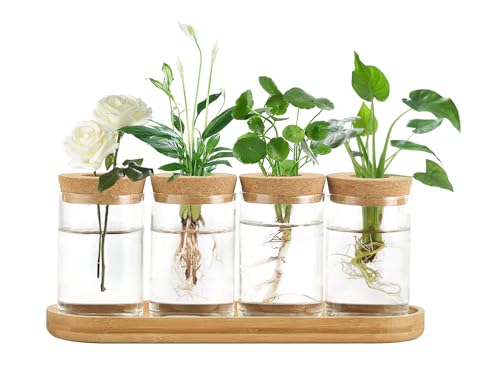
Tabletop Propagation Vase: This stylish design plant propagation vase with lid wooden stand great for growing hydroponic plants.The glass bottle provides enough sapce for planting and growing plants, and the flowers bottle is transparent , making it easy to observe the absorption of plants under sunlight
Propagation Through Offsets
Offsets are the most common way to propagate water lettuce. When you notice little rosettes forming around the parent plant, it’s time to act. Follow these steps:
- Identify Offsets: Look for smaller plants connected to the main rosette. Each should have roots and leaves.
- Separate Carefully: Gently pull the offsets away from the main plant. Aim to keep roots intact.
- Replant: Place the offsets in a separate container of water or directly into a pond.
Offsets grow quickly, meaning you can see new plants develop in a week or two.
Propagation from Seed
While less common, propagation from seed is another method. Seeds can be challenging to find, but here’s how to do it if you get them:
- Collect Seeds: Watch for the tiny greenish-white flowers. After they bloom, seeds will form.
- Sow Seeds: Plant seeds in a shallow tray filled with nutrient-rich soil or directly in water. Ensure they’re not submerged; a light covering of soil works best.
- Provide Warmth and Light: Position the tray in a warm spot with indirect sunlight. Germination may take a few weeks.
- Transplant: Once seedlings reach a few inches tall, carefully transplant them into your pond or a larger container.
Using seeds might take longer than offsets, but it offers a unique way to grow your collection.
Step-by-Step Guide to Propagating Water Lettuce
Follow these steps to successfully propagate water lettuce and enjoy its lush beauty in your water garden or aquarium.
Preparing the Environment
Select a suitable environment for your water lettuce. Look for a warm, sunny spot where the water temperature ranges between 70°F and 85°F. Use a shallow pond, a water garden, or a container with standing water. Ensure the water is nutrient-rich and free from chlorine. You can add liquid aquarium fertilizer for optimal growth. Provide access to natural sunlight or use grow lights if indoors. Create a space that allows for proper water circulation while minimizing debris accumulation.
Planting the Offsets or Seeds
Choose your propagation method: offsets or seeds. For offsets, gently separate the smaller rosettes from the parent plant. Each offset should have some roots attached. Plant these offsets in your prepared environment, spacing them about 6 to 12 inches apart. If using seeds, collect them from existing flowers, drying them for a day. Sow seeds in nutrient-rich soil or floating seed trays placed in water. Keep the trays submerged. Lightly cover seeds with a thin layer of soil, and provide warmth and adequate light for germination. Maintain moisture to encourage sprouting.
Caring for Young Water Lettuce Plants
Monitor your young water lettuce plants closely. Ensure they receive ample sunlight and nutrients. Regularly check water levels, topping up as needed. Look out for signs of nutrient deficiency, such as yellowing leaves. If observed, consider adding more fertilizer. Keep the water clean to prevent algae growth, which can affect the health of the plants. Thin out excess plants if growth becomes too dense to ensure proper air circulation. Regular maintenance leads to lush, thriving water lettuce.
Common Issues and Solutions
Water lettuce can face various issues during propagation and growth. Recognizing these challenges and applying effective solutions helps maintain healthy plants.
Recommended Products

【Elegant Design, Enhances Living Spaces】:Featuring a simple and modern design, these glass propagation stations are crafted from crystal-clear glass to perfectly showcase the growth of plant roots. Whether placed on a living room coffee table, bedroom nightstand, or office desk, they create a fresh and natural focal point, effectively enhancing the style and vibrancy of any home or office environment.(Set of 6(3 Large & 3 Small))

Multiple Combinations: including 12 plastic plant cultivation bottles, 12 perforated wooden plugs, 24 thank you tags, and 16.4 ft/ 5 m hemp rope, which can meet your various plant needs and are suitable for plant lovers; The transparent material can observe the growth of plants and changes in water levels, and the appropriate size also provides space for plant growth

[Versatile Planting Options] From lettuce peppers and strawberries to flowers and tomatoes this kit caters to your various planting needs. whether you're a beginner or an experienced gardener this versatile system is ideal for growing a wide range of plants. it also serves as the perfect gardening family and friends who enjoy cultivating plants.
Pests and Diseases
You may encounter pests like aphids, snails, or spider mites on your water lettuce. These pests can damage leaves, stunt growth, or introduce diseases. Regularly inspect your plants for signs of infestation, such as discolored foliage or visible insects.
- Aphids: Remove them by gently spraying water on affected areas. In cases of heavy infestation, use insecticidal soap.
- Snails: Hand-pick snails from the plants and place them in a separate container. Introducing natural predators, such as certain fish species, reduces snail populations.
- Spider Mites: Increase humidity around your water lettuce. Washing leaves with water can also help remove these tiny pests.
Fungal issues may arise in overly wet conditions. Maintaining proper water levels and ensuring good air circulation around the plants minimizes this risk. If you spot any fungal growth, apply an appropriate fungicide as directed.
Nutrient Deficiencies
Water lettuce thrives in nutrient-rich environments. Deficiencies can lead to poor growth, yellowed leaves, or stunted development. You can diagnose nutrient issues by observing the condition of the plant and the water quality.
- Nitrogen Deficiency: Leaves turn yellow, starting from the bottom. Add a balanced aquatic fertilizer to the water for a boost.
- Iron Deficiency: New leaves appear yellow with green veins. Adding an iron chelate solution can remedy this.
- Phosphorus Deficiency: Slow growth and dark green leaves indicate a need for phosphorus. Utilize a fertilizer high in phosphorus to encourage healthy development.
Regularly test the water for nutrient levels. Adjustments to feeding routines may be necessary to ensure your water lettuce gets everything it requires for optimal growth.
Conclusion
Propagating water lettuce can be a fun and rewarding experience. By following the simple steps outlined in this post you can easily expand your collection while enhancing the beauty of your water garden or aquarium.
Remember to keep an eye on your plants’ needs and maintain a clean environment to ensure they thrive. With a little care and attention you’ll enjoy the lush greenery and the benefits that water lettuce brings to your aquatic ecosystem. Happy gardening!
Frequently Asked Questions
What is water lettuce?
Water lettuce (Pistia stratiotes) is an aquatic plant admired for its lush, rosette-shaped leaves that float on the surface of water. It thrives in warm climates and plays a beneficial role in enhancing water quality and providing shelter for aquatic life.
How do you propagate water lettuce?
Water lettuce can be propagated mainly through offsets, which are small rosettes that form around the parent plant. You can also propagate it from seeds, though this method is less common. Both methods require careful care to ensure successful growth.
What conditions do water lettuce need to thrive?
Water lettuce thrives in warm, sunny environments with nutrient-rich, chlorine-free water. It prefers shallow water and should be monitored for proper sunlight and nutrient levels to grow optimally.
How fast does water lettuce grow?
Under ideal conditions, water lettuce can double its population within a week, making it a fast-growing aquatic plant. Regular maintenance and care can further enhance its growth rate.
What are some common issues with water lettuce?
Pests like aphids and snails, fungal problems due to excess moisture, and nutrient deficiencies are common issues. Regular monitoring and preventive measures can help maintain the health of water lettuce.
How can I control pests on water lettuce?
To control pests such as aphids and snails, you can manually remove them, use insecticidal soap, or introduce natural predators. Regularly checking your plants helps catch infestations early.
What nutrients are essential for water lettuce?
Water lettuce requires adequate amounts of nitrogen, phosphorus, and iron for healthy growth. Testing water nutrient levels and adjusting feeding routines can help address any deficiencies.
Can water lettuce improve water quality?
Yes, water lettuce enhances water quality by absorbing excess nutrients, which helps reduce algae growth. Its growth contributes to a balanced ecosystem in ponds and aquariums.
