

Have you ever thought about growing your own lettuce but weren’t sure where to start? You’re not alone. Many home gardeners face the same challenge—getting those tiny seeds ready for planting can feel overwhelming.
Key Takeaways
- Understand Lettuce Seed Types: Familiarize yourself with different types of lettuce seeds, like Romaine, Butterhead, and Iceberg, to choose the best variety for your garden.
- Identify Healthy Seeds: Select seeds that are firm, dark in color, of uniform size, and show no signs of damage for better germination rates.
- Prepare for Planting: Gather necessary supplies, including seed trays, potting mix, and a watering can, to create an optimal environment for seed starting.
- Soak Seeds for Germination: Soak seeds for 2 to 4 hours prior to planting to soften the seed coat, encouraging faster germination.
- Optimal Planting Times: Plant lettuce seeds in early spring or late summer, ensuring proper soil temperature conditions to promote healthy growth.
- Care for Young Plants: Maintain consistent moisture, provide adequate light, and protect from extreme temperatures to support the robust development of young lettuce plants.
Understanding Lettuce Seeds
Understanding lettuce seeds is crucial for successful gardening. These seeds come in various types, each offering unique flavors and growing characteristics.
Types of Lettuce Seeds
- Romaine Seeds: Produces tall, sturdy heads with a crisp texture, ideal for salads and sandwiches.
- Butterhead Seeds: Yields loose, soft heads, known for their sweet taste and tender leaves.
- Iceberg Seeds: Grows round, tight heads recognized for their crunchy texture, perfect for salads.
- Leaf Lettuce Seeds: Features a variety of colors and textures, providing versatility in salads and garnishes.
- Mesclun Seeds: A mix of young greens, offering a blend of flavors and textures, suitable for salad mixes.
Characteristics of Healthy Seeds
Healthy lettuce seeds exhibit certain traits. Look for:
- Firmness: Seeds should feel solid and not brittle.
- Dark Color: Rich brown or black color indicates good maturity.
- Uniform Size: Consistent size across seeds suggests quality.
- No Signs of Damage: Check for cracks, discoloration, or mold.
- Freshness: Recent harvest dates ensure better germination rates.
By understanding seed types and identifying healthy seeds, you lay a strong foundation for successful lettuce planting.
Steps to Prepare Lettuce Seeds for Planting
Preparing lettuce seeds involves a few simple steps that enhance germination and growth. Follow these steps for successful planting.
Recommended Products

Complete Lettuce Garden Starter Kit Indoor – 5 heirloom salad and green seed packets, 8 biodegradable soil disks, 8 plant markers, and 8 starter pots. Romaine, Spinach, Arugula, Kale and Buttercrunch lettuce heirloom seeds are the star of the set!

Healthy Food Source: Because of its tender flavor, lettuce is a popular vegetable for salad, sandwiches, wraps, soups, stir-fries and juice. There are over 20,000 seeds, 10 kinds of lettuce collection, including bibb, boston, iceberg, buttercrunch, grand rapids TBR, oakleaf, ruby leaf, cimmaron romaine and waldmann's
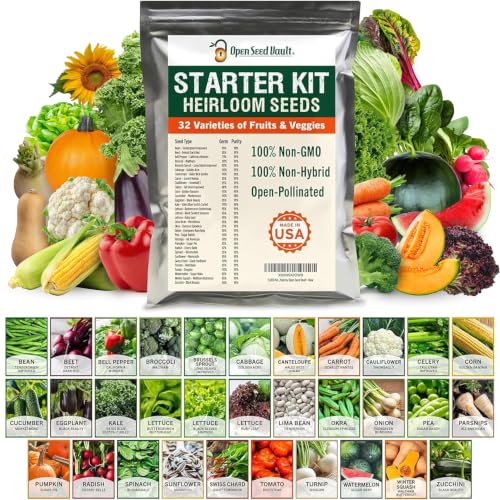
COMPLETE VEGETABLE GARDEN VARIETY PACK – Grow a thriving home garden with 32 popular vegetable seeds including Bean, Beet, Bell Pepper, Broccoli, Brussels Sprout, Cabbage, Cantaloupe, Carrot, Cauliflower, Celery, Corn, Cucumber, Eggplant, Kale, Lettuce (3 types), Lima Bean, Okra, Onion, Pea, Parsnip, Pumpkin, Radish, Spinach, Sunflower, Swiss Chard, Tomato, Turnip, Watermelon, Zucchini. A diverse mix perfect for fresh meals, backyard gardens, and sustainable growing.
Gathering Necessary Supplies
- Seed Packets: Choose high-quality lettuce seeds, such as Romaine or Butterhead.
- Containers: Get seed trays, peat pots, or recycled containers for seed starting.
- Potting Mix: Use a light, well-draining potting mix designed for seed starting.
- Watering Can: Gather a watering can or spray bottle for gentle watering.
- Labels: Prepare labels to identify different lettuce varieties as they sprout.
Soaking Seeds for Germination
- Timeframe: Soak seeds for 2 to 4 hours before planting.
- Water: Fill a small bowl with room-temperature water.
- Placement: Put the seeds in the bowl, ensuring they are fully submerged.
- Drainage: After soaking, drain the seeds using a fine-mesh strainer or paper towel. This process softens the seed coat, promoting quicker germination.
- Drying Seeds: After soaking, allow seeds to dry on a paper towel for a few hours.
- Storage Containers: Place fully dried seeds in small, airtight containers such as glass jars or resealable bags.
- Labeling: Write the seed type and date on the container for future reference.
- Ideal Conditions: Store seeds in a cool, dark, and dry place to maintain viability until planting time.
Following these steps ensures that your lettuce seeds are ready for successful planting, setting a solid foundation for your garden.
Seed Planting Techniques
Planting lettuce seeds requires specific techniques to maximize growth and yield. Understanding the best practices can boost your gardening success.
Best Times for Planting Lettuce Seeds
Plant lettuce seeds in early spring or late summer for optimal results. Aim for soil temperatures between 45°F and 75°F. If planting in spring, do it two to four weeks before the last frost date. For fall planting, start seeds about six weeks before the first expected frost. Cooler temperatures promote crisp, sweet lettuce, while warmer weather may lead to bolting.
Optimal Planting Depth and Spacing
Plant seeds at a depth of ¼ to ½ inch. Burying them too deep can hinder germination. Space seeds 4 to 12 inches apart, depending on the lettuce variety. For Leaf Lettuce, aim for closer spacing, while larger varieties like Romaine need more room. Proper spacing ensures good air circulation and reduces competition for nutrients.
Caring for Young Lettuce Plants
Caring for young lettuce plants involves a few essential factors. Keeping the plants healthy promotes robust growth and a bountiful harvest.
Recommended Products

Tupperware Lettuce Corer Serrated Knife Like Gadget in Mint Green

BUILT TO LAST A LIFETIME WITH FULL STAINLESS STEEL: Crafted from a single piece of high-quality, rust-resistant stainless steel. Unlike tools with weak wooden handles, the Gardmate hand dibber is built for a lifetime of use, bending and wear in all weather conditions.

Package Details: You will get 1 mini seeder set, which includes 4 pieces of seeders, 2 pieces of shovels and 5 pieces of boxes, fully equipped, which can well improve your sowing efficiency.
Watering Requirements
Watering your young lettuce plants appropriately is vital. Keep the soil consistently moist but not soggy. Check the surface regularly; it should feel damp. Water deeply, ensuring moisture reaches the root zone. Use about 1 inch of water weekly, adjusting for climate and rainfall. If leaves start to wilt, increase watering frequency. Conversely, too much water can lead to root rot, so provide good drainage. Consider using a soaker hose or drip irrigation for even moisture distribution.
Light and Temperature Needs
Young lettuce plants thrive in bright, indirect sunlight. Aim for at least 12 to 16 hours of light daily. Too much direct sunlight can cause leaf scorching. Placing plants in a location with partial shade during the hottest parts of the day works well. Maintain a temperature range of 60°F to 70°F for optimal growth. If temperatures exceed 75°F, consider providing shade. Lettuce is a cool-season crop, so protect plants from extreme heat to prevent bolting.
Conclusion
With the right preparation your lettuce seeds will be ready to sprout and thrive. By taking the time to understand the different types of lettuce and ensuring your seeds are healthy you set yourself up for a successful planting experience.
Remember to soak and dry your seeds properly and store them in airtight containers to keep them fresh. As you plant and care for your young lettuce plants don’t forget the importance of consistent moisture and the right light conditions.
Enjoy the process of growing your own lettuce and savor the delicious flavors you’ll harvest from your garden. Happy gardening!
Frequently Asked Questions
What types of lettuce seeds are best for beginners?
There are several great lettuce seed types for beginners, including Romaine, Butterhead, Iceberg, Leaf Lettuce, and Mesclun. Each type offers unique flavors and growing characteristics, making them all excellent choices for new gardeners.
How can I tell if my lettuce seeds are healthy?
Healthy lettuce seeds should be firm, dark in color, and uniformly sized. They should also be free from any damage and look fresh. Examining these qualities can help ensure a successful planting.
What supplies do I need to prepare lettuce seeds?
To prepare lettuce seeds, you’ll need high-quality seed packets, containers, potting mix, a watering can, and labels. These essentials will help you effectively prepare and plant your seeds.
How do I prepare lettuce seeds for planting?
Begin by soaking the seeds for 2 to 4 hours to soften the coat. After soaking, dry the seeds and store them in airtight containers labeled with the seed type and date for future planting.
When is the best time to plant lettuce seeds?
The best times to plant lettuce seeds are early spring and late summer. For spring planting, sow seeds 2 to 4 weeks before the last frost, and for fall, plant them about six weeks before the first frost.
What is the ideal planting depth for lettuce seeds?
Lettuce seeds should be planted at a depth of ¼ to ½ inch. Proper planting depth helps ensure good germination and optimal growth of your lettuce plants.
How should I care for young lettuce plants?
Young lettuce plants need consistent moisture, so keep the soil evenly moist without being soggy, aiming for about 1 inch of water weekly. They thrive in bright, indirect sunlight for 12 to 16 hours a day and prefer temperatures between 60°F and 70°F.
How often should I water my lettuce plants?
Water your lettuce plants about once a week, ensuring the soil remains consistently moist but not overly soggy. Aim for approximately 1 inch of water each week for optimal growth.
