

Have you ever tried planting tiny lettuce seeds and found yourself wondering how to get them just right? You’re not alone. Many gardeners struggle with these little seeds, often feeling unsure about spacing or depth.
Key Takeaways
- Understand Seed Types: Familiarize yourself with different types of tiny lettuce seeds—Butterhead, Romaine, Leaf, and Mesclun—each suited for unique growing conditions.
- Importance of Preparation: Ensure optimal soil conditions by using well-draining, nutrient-rich seed-starting mixes and suitable, shallow containers to encourage healthy growth.
- Optimal Planting Techniques: Maintain appropriate seed spacing (2 to 4 inches apart) and cover lightly with soil to facilitate proper development without competition for resources.
- Consistent Care Requirements: Regularly check soil moisture and optimize light exposure (12-16 hours per day) to ensure healthy, thriving plants and maximize harvest potential.
- Troubleshooting Essentials: Stay vigilant for pests and diseases, ensure proper drainage, and monitor environmental conditions (temperature, humidity) to support robust lettuce growth.
- Cost-Effective Gardening: Growing lettuce from seeds is more affordable than purchasing plants, while allowing for greater variety and freshness in your home garden.
Understanding Tiny Lettuce Seeds
Tiny lettuce seeds come in various types, each suited to different growing conditions. Knowing the options helps you choose the right seeds for your garden.
Types of Tiny Lettuce Seeds
- Butterhead: Butterhead lettuce features soft, tender leaves. It grows well in cool temperatures and offers a sweet, buttery flavor.
- Romaine: Romaine lettuce provides crisp, upright leaves. It’s ideal for salads and grows best in full sun.
- Leaf Lettuce: Leaf lettuce has loose, frilly leaves. It’s the quickest to mature and thrives in various climates.
- Mesclun Mix: Mesclun includes a blend of young greens. It adds variety to your garden and allows for mixed harvesting.
- Cost-Effective: Growing lettuce from seeds costs less than purchasing plants. You save money while expanding your garden.
- Variety: Seeds offer more choices than nursery plants. You can explore unique types and flavors that stores often don’t stock.
- Freshness: Seed-grown lettuce is fresher than store-bought options. You harvest it just before eating for maximum flavor.
- Satisfaction: Watching seeds grow into plants provides a rewarding gardening experience. It’s fulfilling to cultivate your own food.
Preparing for Planting
Preparation is key to successfully planting tiny lettuce seeds. By ensuring optimal conditions, you set your seeds up for healthy growth.
Recommended Products
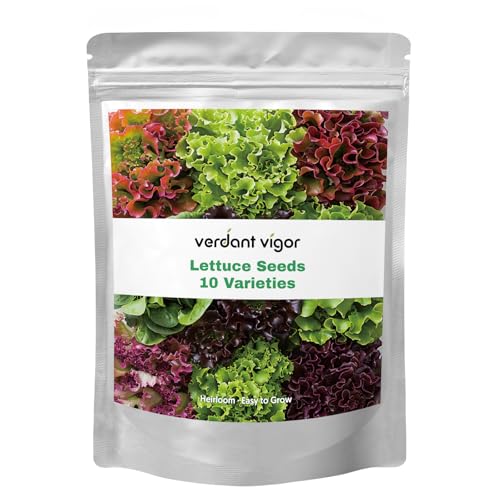
Healthy Food Source: Because of its tender flavor, lettuce is a popular vegetable for salad, sandwiches, wraps, soups, stir-fries and juice. There are over 20,000 seeds, 10 kinds of lettuce collection, including bibb, boston, iceberg, buttercrunch, grand rapids TBR, oakleaf, ruby leaf, cimmaron romaine and waldmann's

EASIER SEED STARTING: Our Burpee SuperSeed tray with 8 extra-large flexible pop-out cells is designed to simplify indoor seed starting. Just add seed starting mix, seeds, water and light to get growing! Perfectly sized for starting seeds in the windowsill: 11.5" x 5-3/16" x 2-1/4". Rows are labeled alphanumerically for seedling identification with included Plant-o-Gram diagram.

COMPLETE VARIETY PACK: 20 premium heirloom lettuce seeds varieties including romaine lettuce seeds, butter lettuce seeds, iceberg lettuce seeds, leaf lettuce seeds, and nutritious greens seeds for planting; Perfect for creating your own organic salad garden
Choosing the Right Soil
Lettuce thrives in well-draining soil rich in organic matter. Look for soil that retains moisture without becoming soggy.
- Use a seed-starting mix that’s fine-textured. This mix encourages proper seedling development.
- Include compost to boost nutrients. Compost improves the soil’s fertility and structure.
- Avoid heavy garden soil. Heavy soil can lead to poor drainage and root problems.
Selecting the Ideal Containers
Containers play a crucial role in the growth of your lettuce seeds.
- Choose shallow trays or pots, ideally 2-3 inches deep. Shallow containers facilitate root growth while providing sufficient room.
- Ensure containers have drainage holes. Proper drainage prevents waterlogging, which can harm the roots.
- Consider biodegradable pots. These pots allow you to transplant seedlings directly into the garden without disturbing the roots.
Use these guidelines to create an ideal environment for your tiny lettuce seeds, leading to a bountiful harvest.
The Planting Process
Planting tiny lettuce seeds requires careful attention to detail for successful growth. Follow these steps to ensure your seeds thrive.
Recommended Products

Miracle-Gro Indoor Potting Mix for Seed Starting grows stronger roots for seeding success (vs unfed when used as directed)

Includes Back to the Roots Compressed Seed Starting Potting Mix that expands to 12qt of soil. A balanced pH, which means it’s truly all-purpose. Use alone or as an amendment for anything in a pot or in the ground — vegetables, flowers, herbs, and even starting seeds.

CONTAINS: This organic Seed Stating soil mix is a rich blend of sphagnum peat moss & perlite with yucca extract and lime to ensure correct pH.
Sowing Tiny Lettuce Seeds
Begin by moistening your seed-starting mix. Lightly dampening the soil helps create a suitable environment. Sprinkle the tiny lettuce seeds evenly across the surface. Avoid overcrowding, as this can lead to poor air circulation. Cover the seeds with a thin layer of the soil mix, about 1/8 inch deep, to protect them. Gently press down on the soil to ensure good contact with the seeds.
Proper Seed Spacing
Maintain adequate spacing between seeds for optimal growth. Aim for at least 2 to 4 inches between each seed. This distance allows the seedlings to develop without competing for nutrients and light. If you’re using a tray, mark rows with a pencil or stick to maintain consistent spacing. For clusters, adhere to a formation of three to four seeds every few inches. Following this guidance will help create a healthy environment for your lettuce to flourish.
Caring for Your Lettuce Plants
Caring for your lettuce plants ensures healthy growth and a bountiful harvest. Focus on consistent watering and adequate light for optimal results.
Watering Techniques
Watering requires a balanced approach. Follow these techniques:
- Check the Soil Moisture: Before watering, stick your finger about an inch into the soil. If it feels dry, it’s time to water.
- Water Gently: Use a watering can with a spout or a fine mist spray to avoid displacing tiny seeds.
- Water at Soil Level: Aim to water the base of the plants to keep foliage dry, preventing fungal diseases.
- Water Regularly: Lettuce prefers consistently moist soil. Water your plants every few days, increasing frequency during hot weather.
Providing Adequate Light
Light plays a crucial role in the growth of your lettuce. Follow these steps for optimal light exposure:
- Choose the Right Location: Place your lettuce in a spot that receives at least 12 to 16 hours of light each day, either from natural sunlight or grow lights.
- Rotate Your Containers: If growing indoors, rotate your containers every few days. This ensures all sides receive equal light exposure.
- Monitor Light Levels: If your lettuce appears leggy or pale, increase light intensity or duration. Proper lighting encourages dense, vibrant foliage.
- Use Grow Lights if Necessary: When natural light is insufficient, consider using LED grow lights. Position them about 6 to 12 inches above the plants for optimal coverage.
By maintaining proper watering and light conditions, your lettuce plants can thrive and produce fresh, crisp leaves for your meals.
Troubleshooting Common Issues
Even with careful planning, issues may arise when planting tiny lettuce seeds. Understanding common problems helps you maintain healthy plants and a successful harvest.
Pests and Diseases
Pests can damage your tiny lettuce seedlings. Look for aphids, slugs, and cutworms, which often target young plants. To manage these pests:
- Inspect regularly: Check leaves and soil for signs of pests.
- Use organic treatments: Apply neem oil or insecticidal soap to combat pests without harming beneficial insects.
- Encourage predators: Attract natural pest deterrents such as ladybugs and lacewings by planting flowers nearby.
Diseases like downy mildew and damping-off can also affect seedlings. To prevent these issues:
- Ensure proper drainage: Use containers with drainage holes to avoid soggy soil.
- Space seedlings appropriately: Thin plants to allow airflow, reducing humidity that contributes to diseases.
- Rotate crops: Change plant locations each season to prevent soil-borne disease buildup.
Environmental Factors
Environmental conditions significantly impact the growth of tiny lettuce seeds. Monitor these factors to support healthy development:
- Light exposure: Ensure seedlings receive 12-16 hours of light daily. If natural light is insufficient, turn to grow lights.
- Temperature control: Maintain temperatures between 60°F and 70°F during the day. Protect seedlings from frost and excessive heat.
- Humidity levels: Keep humidity around 50-70%. Use plastic domes or humidity trays during germination, then remove them once seedlings establish.
By addressing potential pests, diseases, and environmental factors, you enhance your chances of growing robust lettuce plants.
Conclusion
Growing tiny lettuce seeds can be a rewarding experience. With the right approach you can enjoy fresh and crisp lettuce right from your garden. Remember to pay attention to soil health and moisture levels while providing your plants with plenty of light.
Stay vigilant against pests and diseases to keep your lettuce thriving. By following these tips you’ll create a flourishing garden that brings joy to your table. So grab those seeds and get started on your lettuce-growing adventure!
Frequently Asked Questions
What types of lettuce seeds are discussed in the article?
The article covers various types of lettuce seeds, including Butterhead, Romaine, Leaf Lettuce, and Mesclun Mix. These varieties offer different flavors and textures, making them suitable for various gardening preferences.
Why is growing lettuce from seeds beneficial?
Growing lettuce from seeds is beneficial because it allows gardeners to choose from a wider variety of types, fosters a deeper connection with the gardening process, and can lead to healthier and fresher produce compared to store-bought options.
What preparation is needed before planting lettuce seeds?
Before planting lettuce seeds, it’s important to prepare by choosing quality soil, using a seed-starting mix with compost, and selecting appropriate containers to ensure optimal growth conditions for the seeds.
How should I care for my lettuce plants?
Care for lettuce plants involves consistent watering by checking soil moisture and watering gently at the soil level. Additionally, ensure they receive adequate light by choosing the right location and rotating containers as needed.
What common issues can arise when planting tiny lettuce seeds?
Common issues when planting tiny lettuce seeds include pests like aphids and cutworms, diseases such as downy mildew and damping-off, and environmental factors like inadequate light exposure, temperature, and humidity levels that can hinder growth.
How can I manage pests and diseases in my lettuce garden?
To manage pests and diseases in your lettuce garden, regularly check for signs of infestation, introduce beneficial insects, and practice good hygiene. Use disease-resistant varieties and maintain proper watering and sanitation to minimize risks.
