

Have you ever wanted to grow your own fresh romaine lettuce but felt unsure about where to start? You’re not alone. Many people dream of a vibrant garden filled with crisp greens but often hesitate when it comes to planting seedlings.
Key Takeaways
- Optimal Growing Conditions: Romaine lettuce seedlings thrive in areas with 6 to 8 hours of sunlight and well-draining, nutrient-rich soil with a pH of 6.0 to 7.0.
- Seedling Selection: Choose strong, vibrant seedlings free from signs of stress, ensuring they have a firm and slightly crowded root system for better transplant success.
- Proper Planting Techniques: Space seedlings 10-12 inches apart and plant them at a depth of 4-5 inches, backfilling gently to promote healthy root expansion.
- Consistent Care: Water seedlings regularly to maintain soil moisture, aiming for 1 to 1.5 inches of water per week, and apply nitrogen-rich fertilizer every 4 to 6 weeks for enhanced growth.
- Pest and Disease Management: Regularly inspect plants for pests and diseases, using natural deterrents and fungicides as necessary to protect your romaine lettuce from common threats.
- Environmental Adaptation: Address environmental stressors by maintaining ideal temperatures, consistent moisture levels, and high soil quality to promote robust growth in your romaine lettuce seedlings.
Preparing for Planting
Preparing for planting romaine lettuce seedlings requires careful attention to location and soil health. A successful start ensures healthy growth and bountiful harvests.
Choosing the Right Location
Choose a location with ample sunlight, ideally 6 to 8 hours each day. Select a flat area to promote even drainage; avoid low spots where water tends to collect. Consider proximity to a water source for easy irrigation. If you’re using raised beds or containers, ensure the chosen spot is accessible and convenient for tending to your seedlings.
Soil Preparation
Prepare soil by loosening it to a depth of about 12 inches. Use a garden fork or tiller to break up compacted soil, improving root penetration. Mix in organic matter, such as compost or well-rotted manure, to enhance nutrient content. Aim for a soil pH between 6.0 and 7.0 for optimal growth; test the soil with a pH meter or home testing kit. Finally, remove any rocks or debris to create a clean planting environment.
Planting Romaine Lettuce Seedlings
Planting romaine lettuce seedlings requires careful attention to detail. Follow these steps for a successful planting process.
Recommended Products

Complete Lettuce Garden Starter Kit Indoor – 5 heirloom salad and green seed packets, 8 biodegradable soil disks, 8 plant markers, and 8 starter pots. Romaine, Spinach, Arugula, Kale and Buttercrunch lettuce heirloom seeds are the star of the set!

We grow a variety of edible seasonal seedlings (aka plugs/starts/transplants) that will flourish in your soil or hydroponic garden.

High Germination Rate: Enjoy a plentiful harvest with our Romaine Lettuce seed pod featuring excellent germination. Fresh, reliable seeds sourced from USA ensure quick sprouting and healthy growth.
Selecting Quality Seedlings
Select strong, healthy seedlings for the best results. Look for seedlings that are vibrant green and sturdy, with no signs of yellowing or wilting. Check their roots; they should be firm and slightly crowded in the container. Purchasing seedlings from a reputable nursery increases your chance of success.
Proper Planting Techniques
Use these planting techniques for optimal growth:
- Spacing: Space seedlings about 10-12 inches apart. This distance allows enough room for growth and circulation.
- Depth: Dig holes that are deep enough to accommodate the roots, typically 4-5 inches. Place the seedling in the hole, ensuring the soil line on the seedling matches the surrounding soil.
- Soil: Gently backfill the hole with soil, avoiding compaction around the roots. Leave the soil a little loose to promote root expansion.
- Watering: Water the seedlings immediately after planting. Apply water until the soil feels moist, but not soggy. Consistent moisture is essential for establishing roots within the first few weeks.
By following these guidelines, you’ll set your romaine lettuce seedlings up for success.
Care and Maintenance
Caring for your romaine lettuce seedlings ensures healthy growth and a bountiful harvest. Focus on watering, fertilization, and general upkeep to promote strong plants.
Recommended Products
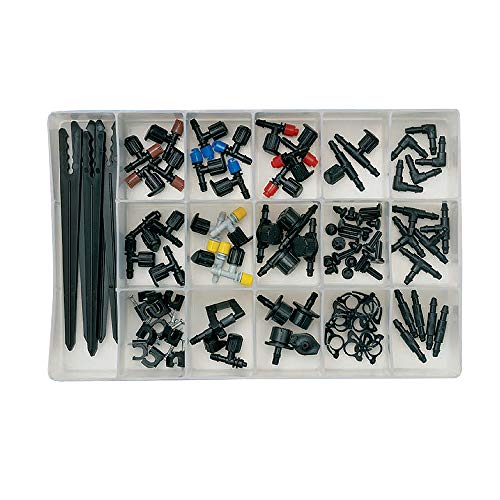
For optimizing plant health by applying water directly at the plant roots
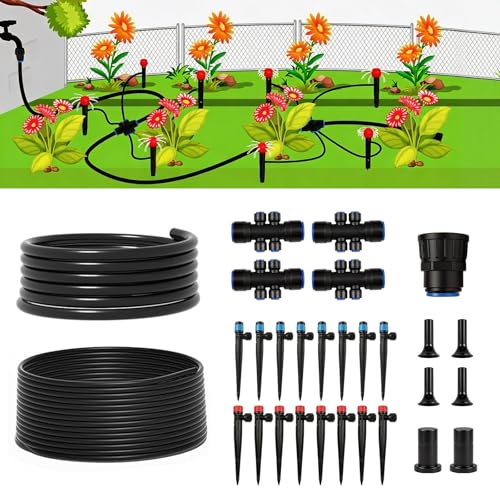
TRUE QUICK CONNECT – NO LEAKS, NO STRUGGLE: Unlike traditional kits that require twisting and force-fitting, our quick-connect design lets you simply push tubing into place. Secure, leak-resistant connections every time — no tools needed.

【Upgraded Tube Design & Water Saving】 Our garden watering system is upgraded to 1/2” diameter to support high water pressure. The 1/2” tee connector allows seamless splitting into 2 independent zones for customized watering schedules. By delivering moisture directly to root zones, this drip Irrigation system significantly reduces evaporation and runoff—saving more water compared to conventional sprinklers while eliminating the need for manual watering.
Watering Requirements
Water your romaine lettuce seedlings consistently to keep the soil moist but not soggy. Aim for about 1 to 1.5 inches of water per week, including rainfall. When watering, use a gentle spray to prevent disturbing the seedlings. Check the soil daily; if the top inch feels dry, it’s time to water. In hot weather, you may need to water more frequently. Consider using a drip irrigation system for efficient watering, helping maintain even moisture levels.
Fertilization Tips
Provide your romaine lettuce with a nitrogen-rich fertilizer to encourage leafy growth. Apply a balanced fertilizer at planting time, then follow up every 4 to 6 weeks with liquid fertilizer, diluting it to half strength. Look for options that contain micronutrients, which support overall plant health. Avoid over-fertilizing, as this can lead to excessive leaf growth and poor flavor. Before applying, check the label for specific instructions per your plants’ needs.
Common Issues and Solutions
Growing romaine lettuce seedlings can come with challenges. Understanding these common issues and their solutions allows you to maintain healthy plants and achieve a bountiful harvest.
Recommended Products
We grow a variety of edible seasonal seedlings (aka plugs/starts/transplants) that will flourish in your soil or hydroponic garden.

Graphene Seed Heat Mat for Faster Germination: Compared to traditional electric heating mats, our graphene heat mat heats up faster and more evenly, with a built-in timer for convenience. It creates the ideal environment for indoor seed starting trays, greenhouse seed germination, and hydroponic plant propagation. Designed for indoor gardening, this waterproof and reusable heat mat accelerates growth and improves seedling survival rates.

4 Popular Heirloom Lettuce Varieties: Includes Red Romaine, Bibb Butterhead, Black Seeded Simpson, and Green Ice lettuce seeds to grow crisp, tender, and colorful salad greens with balanced flavor, texture, and visual appeal.
Pests and Diseases
Pests like aphids, slugs, and snails can harm your romaine lettuce. To manage these pests, consider these strategies:
- Regular Inspection: Check your plants every few days. Look for signs of pests, such as holes in leaves or sticky residue.
- Natural Deterrents: Introduce beneficial insects, like ladybugs, to combat aphids. Use beer traps to attract and trap slugs.
- Neem Oil: Apply neem oil as a natural pesticide. It disrupts the life cycles of pests without harming the plants.
Diseases such as downy mildew and lettuce drop can also impact growth. To prevent these issues:
- Fungicide: Use fungicides at the first sign of disease. Follow label instructions for correct application.
- Good Airflow: Space your lettuce plants adequately to promote airflow. This reduces humidity and helps prevent disease.
- Rotation: Rotate crops each season to avoid soil-borne diseases. Planting lettuce in a different location each year minimizes risk.
Environmental Stressors
Environmental factors can influence the health of your romaine lettuce seedlings. Address these stressors effectively:
- Temperature Fluctuations: Lettuce thrives in temperatures between 60°F and 70°F. Protect seedlings from extreme heat or cold by using row covers or shading structures.
- Moisture Levels: Maintain consistent soil moisture. Water daily in hot weather or install drip irrigation for even moisture distribution.
- Soil Quality: Ensure well-draining soil with adequate nutrients. Test soil annually to confirm pH levels are between 6.0 and 6.8, adjusting as needed.
By implementing these solutions and keeping a close eye on your romaine lettuce seedlings, you can enjoy a successful gardening experience.
Conclusion
Growing your own romaine lettuce can be a rewarding experience. With the right preparation and care you can enjoy fresh greens right from your garden. Remember to choose a sunny spot and prepare your soil well to give your seedlings the best start.
As you nurture your plants pay attention to their watering and fertilization needs. Regular inspections will help you catch any pests or diseases early on. By following these simple steps you’ll be well on your way to a bountiful harvest. Happy gardening and enjoy your delicious homegrown romaine!
Frequently Asked Questions
How do I start growing romaine lettuce at home?
To start growing romaine lettuce at home, choose a sunny location with good drainage. Prepare the soil by loosening it to about 12 inches deep and mixing in organic matter. Plant healthy seedlings 10-12 inches apart and water them immediately after planting.
What is the best soil for romaine lettuce?
Romaine lettuce thrives in well-draining soil with a pH of 6.0 to 7.0. Mix organic matter into the soil to enhance nutrient content, ensuring moisture retention while preventing compaction.
How often should I water romaine lettuce?
Water romaine lettuce consistently to maintain moisture levels of about 1 to 1.5 inches per week. It’s best to use a gentle spray to avoid disturbing the seedlings and ensure even hydration.
What fertilizer should I use for romaine lettuce?
Use a nitrogen-rich fertilizer to promote leafy growth. Apply at planting and every 4 to 6 weeks. Avoid over-fertilizing, which can lead to poor flavor and excessive leaf growth. Always check product labels for specific instructions.
How can I prevent pests and diseases in my romaine lettuce garden?
Inspect your plants regularly for pests like aphids and slugs. Use natural deterrents such as beneficial insects and neem oil. For diseases like downy mildew, apply fungicides when necessary and maintain optimal growing conditions.
