

Have you ever thought about growing your own fresh salad greens? Red romaine lettuce is not only delicious but also easy to grow in your backyard or even on your balcony. Imagine stepping outside to pick crisp, vibrant leaves for your next meal.
Key Takeaways
- Select the Right Variety: Choose red romaine lettuce varieties based on your climate and season, such as Red Romaine for cooler weather or Red Butterhead for heat tolerance.
- Soil Preparation is Key: Test soil pH (aim for 6.0 to 7.0) and enrich it with organic matter to promote healthy growth and nutrient availability.
- Planting Guidelines: Space seeds approximately 12 inches apart and plant at a depth of 0.25 to 0.5 inches for optimal germination and root development.
- Consistent Care: Regularly water (1 to 1.5 inches weekly) and fertilize with a balanced fertilizer to support vigorous growth and enhance flavor.
- Monitor for Pests: Identify and address common pests and plant health issues early to ensure a thriving lettuce crop. Use row covers and natural pesticides as needed.
- Harvesting Techniques: Harvest when leaves reach 6 to 10 inches, ensuring they’re firm and vibrant, and utilize clean tools to maintain quality. Store harvested lettuce properly for freshness.
Choosing The Right Variety
Choosing the right variety of red romaine lettuce ensures a successful growth experience. Consider these popular types:
- Red Romaine: Known for its crisp texture and slightly sweet flavor. It thrives in cooler weather and matures in about 60 days.
- Red Butterhead: This variety features a softer leaf structure and a rich color. It tolerates heat better than other types while retaining flavor.
- Butterhead: It combines tenderness with great taste. Butterhead is versatile and can grow in spring and fall.
Select based on your local climate and the season. Early spring planting or late summer for a fall harvest usually works best. If you’re in a warmer area, look for heat-tolerant varieties to prevent bolting.
Visit local nurseries or farmers’ markets to explore available varieties. Consider asking for recommendations based on your specific region and growing conditions. Each variety brings unique flavors and textures to your salads, so exploring options can enhance your harvest experience.
Recommended Products
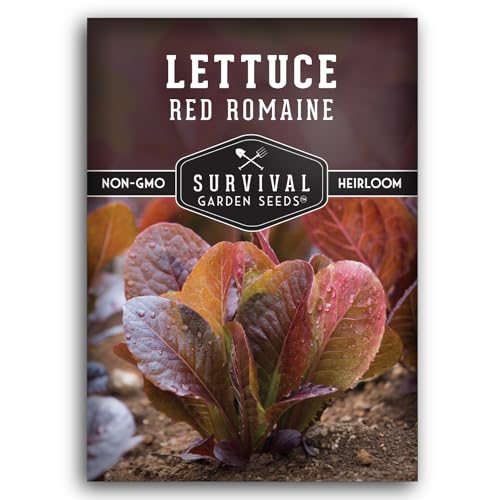
RED ROMAINE SEEDS FOR PLANTING – Striking lettuce has burgundy-to-ruby red leaves with crisp green hearts create a bold contrast in the garden and add vibrant color and flavor to Caesar salad and other dishes

Red Romaine: Features vibrant red-tinged leaves with green bases, offering a mild, slightly sweet flavor and crisp texture ideal for salads and garnishes.

Color and Crunch - Grow upright Red Romaine heads with burgundy outer leaves, green hearts and crisp pale ribs. Pick tender leaves for colorful salads or harvest full heads for satisfying lettuce wraps.
Preparing The Soil
Preparing the soil is crucial for growing healthy red romaine lettuce. It sets the foundation for robust plant growth and high-quality yields.
Recommended Products

Quick, at home results for Soil pH, Nitrogen, Phosphorous and Potash Innovative and inexpensive soil test kit features an easy-to-use capsule system and patented color comparators

Comprehensive Soil Analysis: Liquid soil test kits offer a comprehensive analysis of essential soil parameters, including pH, ammonia, nitrogen, phosphorus, and potassium. Having all these measurements in one kit provides a holistic understanding of the soil's fertility and health.

✅ 1Dial & 1 LCD Screen - Replace/install all 3 batteries each time. Put button to %RH/°F to - Turn On, and put to LIGHT to - Turn Off. Read the LCD results in 3-5 mins. (Not Water Moisture Meter, so, please don't test liquid)
Testing Soil pH
Testing the soil pH ensures it’s in the optimal range for red romaine lettuce. Aim for a pH between 6.0 and 7.0. You can use a soil pH test kit, available at garden centers, to measure it accurately. After collecting a sample, follow the kit’s instructions for testing. If your soil pH is too low, consider adding lime to increase it. For high pH levels, adding sulfur can help lower it. Adjusting the pH enhances nutrient availability, leading to better lettuce growth.
Adding Organic Matter
Adding organic matter enriches the soil and improves its structure. Incorporate compost, well-rotted manure, or leaf mold into your soil. Aim for a depth of about 3 to 4 inches of organic material spread evenly over the planting area. Use a garden fork or tiller to mix it in thoroughly. Organic matter enhances soil drainage and water retention, providing essential nutrients that promote healthy lettuce growth. Regular additions will also improve soil health over time, making it more beneficial for future crops.
Planting Red Romaine Lettuce
Planting red romaine lettuce is straightforward, and with a bit of attention, you can enjoy fresh, crisp leaves. Follow these steps for successful planting.
Seed Spacing
Seed spacing is crucial for optimal growth and air circulation. Space seeds approximately 12 inches apart. This distance allows each plant to receive adequate sunlight and nutrients while reducing competition. For a more dense crop, you can thin seedlings to this spacing when they reach a few inches tall.
Depth Of Planting
Depth of planting influences germination and root development. Plant seeds about 0.25 to 0.5 inches deep in the soil. Ensure the soil is loose and well-aerated for better seedling emergence. Cover the seeds lightly with soil, and water gently to avoid displacing them. You should see sprouts within 7 to 14 days under optimal conditions.
By following these guidelines, you set the stage for healthy red romaine lettuce growth. Feel free to adjust spacing based on your specific gardening layout or plant variety for the best results.
Care After Planting
After planting your red romaine lettuce, consistent care ensures a healthy crop. Focus on watering and fertilization to promote growth.
Recommended Products

4 Popular Heirloom Lettuce Varieties: Includes Red Romaine, Bibb Butterhead, Black Seeded Simpson, and Green Ice lettuce seeds to grow crisp, tender, and colorful salad greens with balanced flavor, texture, and visual appeal.

Cimarron red romaine lettuce producing deep red upright leaves with crisp texture and mild fresh flavor for salads wraps and sandwiches

Beautiful – Large premium packet of Red Romaine Lettuce (Lactuca sativa) seeds. A crisp cos lettuce variety with unusual deep red, elongated leaves. The color deepens as it matures and is most vibrant when grown in cooler weather. Adds a beautiful color contrast to sandwiches or salads. Minimum of 600 mg per packet (about 550 seeds).
Watering Guidelines
Water your red romaine lettuce regularly to maintain consistent soil moisture. Aim to keep the soil evenly moist, especially during dry spells.
- Water deeply once or twice a week. This encourages deeper root growth.
- Apply about 1 to 1.5 inches of water each week, depending on weather conditions.
- Use mulch around the plants to retain moisture and suppress weeds.
- Monitor the plants; if the leaves begin to droop, they’re likely thirsty.
Fertilization Tips
Fertilization supports vigorous growth and enhances flavor. Follow these steps for optimum results:
- Apply a balanced fertilizer (such as 10-10-10) at planting. Use about 1 tablespoon per square foot.
- Side-dress with organic fertilizer or compost every 3 to 4 weeks during the growing season.
- Observe your plants. If leaves appear yellow or growth stalls, consider increasing fertilization.
- Avoid over-fertilizing, as this can lead to excessive leafy growth without flavor.
Implementing these care strategies helps you achieve vibrant, tasty red romaine lettuce for your salads.
Common Pests And Problems
Growing red romaine lettuce comes with a few challenges, particularly pest infestations and plant health issues. Addressing these problems promptly keeps your crops thriving and your salads fresh.
Identifying Leaf Discoloration
Discoloration on your red romaine lettuce can signal various issues. If you notice yellowing leaves, it often stems from nitrogen deficiency or poor drainage. You might also see dark, wilted spots that indicate fungal infections, such as downy mildew. Conversely, a change to a lighter green may suggest overexposure to sunlight or inconsistent watering. Regularly inspecting your plants for these signs helps catch problems early, allowing you to take corrective actions.
Preventing Pest Infestations
Pests can ruin a healthy lettuce crop, but you can work to minimize their impact. Follow these steps to keep your plants safe:
- Use Row Covers: Installing lightweight fabric during the early stages protects seedlings from insects.
- Rotate Crops: Changing the location of lettuce each season disrupts pest lifecycle patterns.
- Encourage Beneficial Insects: Ladybugs and lacewings prey on common pests like aphids. Create a welcoming environment for these beneficial insects by planting a diverse garden.
- Inspect Regularly: Look at the undersides of leaves for signs of pests like aphids or caterpillars, and take immediate action if you spot any.
- Apply Natural Pesticides: Use neem oil or insecticidal soap as a gentle treatment against pests when infestations occur. Apply these solutions early in the morning or late in the evening to protect pollinators.
By staying vigilant and following preventive measures, you can enjoy a fruitful harvest of red romaine lettuce without significant setbacks.
Harvesting Red Romaine Lettuce
Harvesting red romaine lettuce is a straightforward process that ensures fresh, flavorful greens for your meals. Timing and technique are critical for optimal taste and texture.
Signs Of Readiness
Look for these signs to determine if your red romaine is ready for harvest:
- Size: Leaves should reach at least 6 to 10 inches in height.
- Color: Vibrant red and green hues indicate maturity.
- Firmness: Leaves should feel crisp and firm, not soft or wilted.
- Age: Generally, the harvest window is around 65 to 70 days after planting.
These indicators help you pick the perfect moment to enjoy your lettuce.
Proper Harvesting Techniques
Use the following steps to harvest your red romaine lettuce efficiently:
- Choose Timing: Harvest in the morning when leaves are hydrated and crisp.
- Utilize Clean Tools: Use sharp garden scissors or shears to reduce damage.
- Cut Leaves: Cut leaves individually or trim the entire head about 1 inch above the soil.
- Avoid Damage: Handle leaves carefully to prevent bruising.
- Immediately Rinse: After harvesting, rinse leaves with cool water to remove dirt.
- Store Properly: Place harvested lettuce in a damp paper towel and store in a plastic bag in the refrigerator.
Following these techniques ensures your red romaine lettuce remains fresh for your salads and dishes.
Conclusion
Growing red romaine lettuce can be a rewarding experience that adds fresh flavor to your meals. With the right preparation and care you can enjoy a bountiful harvest of vibrant leaves.
Remember to keep an eye on your plants for any signs of stress and address issues as they arise. By following the tips provided you’ll not only achieve healthy growth but also enhance the taste of your salads.
So grab those seeds and get started on your home gardening adventure. You’re just a few steps away from enjoying your own delicious red romaine lettuce!
Frequently Asked Questions
What is red romaine lettuce, and why should I grow it?
Red romaine lettuce is a vibrant, nutritious leafy green that is easy to grow at home. It adds color, flavor, and freshness to salads. Its simplicity and quick harvesting make it a great choice for home gardeners.
How do I prepare the soil for growing red romaine lettuce?
To prepare the soil, test the pH (aim for 6.0-7.0) and enrich it with organic matter like compost or manure. This ensures nutrient-rich soil and improves texture for optimal growth.
What is the ideal planting process for red romaine lettuce?
Plant seeds 12 inches apart and at a depth of 0.25 to 0.5 inches. This spacing allows for sufficient airflow and root development, promoting healthy plant growth.
How often should I water red romaine lettuce?
Water the plants deeply once or twice a week, aiming for 1 to 1.5 inches of water weekly. Using mulch can help retain moisture and keep the soil consistently moist.
When should I fertilize my red romaine lettuce?
Apply a balanced fertilizer at planting and side-dress with organic fertilizer or compost every 3 to 4 weeks during the growing season. This supports growth and enhances the flavor of the lettuce.
What common pests should I watch out for when growing red romaine lettuce?
Common pests include aphids and caterpillars. Monitor your plants regularly, use row covers, and consider applying natural pesticides to manage infestations and maintain healthy plants.
How do I know when to harvest red romaine lettuce?
Harvest your red romaine lettuce when the leaves are vibrant, firm, and about 6-12 inches tall. Look for the right size, color, and age to ensure optimal flavor and freshness.
What are some proper harvesting techniques for red romaine lettuce?
Use clean tools to cut leaves carefully, rinsing them immediately after harvesting. Store the lettuce properly in a cool place to maintain its freshness for use in salads and dishes.
