

Have you ever thought about growing your own lettuce but felt overwhelmed by the process? You’re not alone! Many people want to enjoy fresh, homegrown greens but aren’t sure where to start. Planting lettuce transplants can seem tricky, but it’s easier than you think.
Key Takeaways
- Lettuce Transplants Advantage: Using transplants leads to faster harvests, healthier plants, and less need for thinning, enhancing your home gardening experience.
- Ideal Varieties: Butterhead, Romaine, Leaf, and Crisphead lettuces are suitable for transplanting, each offering unique flavors and textures.
- Site Selection: Choose a sunny, sheltered location with well-drained soil for optimal lettuce growth, ensuring accessibility for maintenance.
- Proper Planting Technique: Follow specific steps for planting, including digging holes, spacing transplants 10-12 inches apart, and ensuring depth consistency with their containers.
- Consistent Care: Regular watering and balanced fertilization are crucial for healthy transplants; aim for 1-1.5 inches of water weekly and fertilize every 4-6 weeks.
- Pest and Nutrient Management: Stay vigilant for pests and nutrient deficiencies; use natural remedies and soil amendments to maintain robust growth and prevent damage.
Understanding Lettuce Transplants
Lettuce transplants are young plants started indoors or in controlled environments. You can easily move them outdoors when they’re strong enough to thrive.
Benefits of Using Transplants
- Faster Harvest: Transplants grow quicker than seeds. You’ll enjoy fresh lettuce sooner.
- Controlled Growth: You manage the environment for optimal growth conditions. This leads to healthier plants.
- Less Thinning Required: Transplants create consistent spacing. You won’t need to thin out crowded seedlings.
- Higher Success Rate: Established roots mean better survival outdoors. Transplants handle stress better than seeds.
- Butterhead Lettuce: This type offers tender, buttery leaves. It’s easy to grow and responds well to transplanting.
- Romaine Lettuce: Known for its crunch, romaine’s sturdy growth makes it suitable for transplanting.
- Leaf Lettuce: Varieties like red leaf or green leaf thrive after transplanting, providing a mix of colors and textures.
- Crisphead Lettuce: Varieties such as Iceberg do well when transplanted, resulting in tight, crunchy heads.
Preparing for Planting
Preparing the planting area for your lettuce transplants sets the stage for healthy growth. Focus on location and soil to ensure success.
Recommended Products

Quick, at home results for Soil pH, Nitrogen, Phosphorous and Potash Innovative and inexpensive soil test kit features an easy-to-use capsule system and patented color comparators

KNOW BEFORE YOU GROW | Grow the healthiest, sustainable lawn and garden with the most accurate and easy to use professional soil test kit on the market

Comprehensive Soil Analysis: Liquid soil test kits offer a comprehensive analysis of essential soil parameters, including pH, ammonia, nitrogen, phosphorus, and potassium. Having all these measurements in one kit provides a holistic understanding of the soil's fertility and health.
Choosing the Right Location
- Select a sunny spot with at least 6-8 hours of direct sunlight. Lettuce thrives in light, enhancing growth and flavor.
- Avoid windy areas. Choose a location that shields plants from strong winds, which can damage young transplants.
- Consider drainage. Pick a site with good drainage to prevent waterlogging, which can lead to root rot.
- Plan for accessibility. Ensure that your planting area is easy to reach for maintenance, watering, and harvesting.
- Test your soil. Use a soil test kit to determine pH and nutrient levels. Lettuce prefers a pH between 6.0 and 7.0.
- Amend the soil. Incorporate organic matter, such as compost or well-rotted manure, to improve soil texture and fertility.
- Add fertilizers. Use a balanced fertilizer to provide essential nutrients, following package instructions for application rates.
- Till the soil. Work the soil to a depth of at least 12 inches to ensure proper root establishment and aeration.
- Level the soil. Smooth the surface to eliminate any clumps or divots, creating an even planting area for your transplants.
Planting Lettuce Transplants
Planting lettuce transplants is straightforward and ensures a bountiful harvest. Follow these steps for success.
Step-by-Step Planting Instructions
- Choose Your Transplants: Select healthy lettuce transplants, about 3-4 weeks old. Look for vibrant leaves and sturdy stems.
- Prepare the Soil: Ensure the planting area has loose, well-draining soil. Amend the soil with compost or organic matter if needed.
- Water Before Planting: Water your transplants thoroughly a few hours before planting. This keeps them hydrated during the transition.
- Planting Time: Choose a cloudy day or plant in the late afternoon. This minimizes stress on the plants from heat.
- Dig Holes: Use a trowel or your hands to dig holes for each transplant. The holes should be slightly larger than the root ball of the transplant.
- Place the Transplant: Carefully remove each transplant from its container. Place it in the hole, ensuring that the top of the root ball is level with the soil surface.
- Fill with Soil: Gently fill in around the roots with soil. Firm the soil lightly to eliminate air pockets, avoiding damage to the roots.
- Water Again: After planting, water the transplants thoroughly. This helps settle the soil and provides moisture for recovery.
Proper Spacing and Depth
Maintaining proper spacing and depth is crucial for healthy growth.
- Spacing: Space lettuce transplants 10-12 inches apart for optimal growth. Each type of lettuce varies slightly, so check specific spacing guidelines for Butterhead, Romaine, Leaf, and Crisphead varieties.
- Depth: Ensure transplants sit at the same depth as they were in their containers. Uneven depth can stunt growth or lead to rot.
Taking these steps ensures your lettuce transplants thrive, leading to a fruitful and delicious harvest.
Caring for Lettuce Transplants
Caring for your lettuce transplants ensures robust growth and a bountiful harvest. Here’s how to provide the best care.
Recommended Products
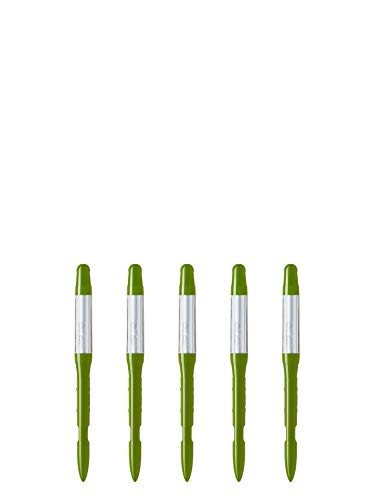
Dimensions: 0.4 x 0.3 x 4.7 inches (small) - Intended for pot sizes of 2, 2.5, and 3 - Ideal for small succulents
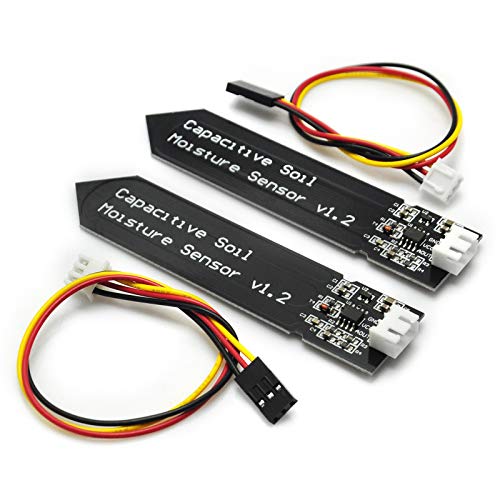

Capacitive Soil Moisture Sensor: Compatible with for Arduino Raspberry Pi
Watering Guidelines
Water your lettuce transplants regularly to maintain consistent moisture. Aim for 1-1.5 inches of water each week, including rainfall. Watering in the morning helps reduce evaporation. Check the soil’s surface; if it feels dry, it’s time to water. Avoid overhead watering to minimize leaf diseases. Instead, direct water at the base of the plants to keep the leaves dry.
Fertilizing Your Lettuce
Fertilize your lettuce transplants about three weeks after planting. Use a balanced fertilizer with equal parts nitrogen, phosphorus, and potassium, such as a 10-10-10 blend. Apply 1 tablespoon of fertilizer per square foot, mixing it into the top layer of soil. Repeat fertilization every four to six weeks for optimal growth. Monitor the plants for signs of nutrient deficiency, like yellowing leaves, and adjust your fertilization schedule as needed.
Common Issues and Solutions
Lettuce transplants may face several challenges during growth. Understanding these issues and their solutions helps ensure a successful harvest.
Recommended Products

FUNGAL DISEASE CONTROL: Prevents and controls black spot on roses, powdery mildew, rust, downy mildew, and other listed fungal diseases when applied on a 7–14 day schedule

PLANT DISEASE CONTROL: Natria Neem Oil acts as an insecticide and fungicide in one convenient spray; Ready-to-use trigger sprayer requires no mixing

Gentle Plant Wash Made with Neem Oil & Peppermint Oil
Pest Control Measures
Pests can severely impact your lettuce transplants. Common pests include aphids, cabbage loopers, and slugs. Regularly inspect your plants for signs of infestation like holes in the leaves or sticky residue.
- Identify pests: Use insect identification apps or local extension services for accurate identification.
- Use natural remedies: Try neem oil spray or insecticidal soap, which are effective against many common pests.
- Encourage beneficial insects: Attract ladybugs and lacewings by planting flowers nearby. These insects help control pest populations naturally.
- Implement physical barriers: Use row covers or garden mesh to prevent pests from reaching your plants.
Addressing Nutrient Deficiencies
Nutrient deficiencies can stunt your lettuce transplants’ growth and affect their flavor. Common signs include yellowing leaves, stunted growth, and poor flavor.
- Test your soil: Conduct a soil test to determine pH and nutrient levels. Available kits provide quick results.
- Amend the soil: Based on test results, add organic matter like compost or well-rotted manure to improve soil fertility.
- Apply fertilizers: Use a balanced fertilizer (like a 10-10-10 formula) about three weeks after transplanting. Reapply every four to six weeks as needed.
- Monitor plants: Keep an eye on your lettuce. If deficiencies appear, adjust your fertilization schedule or change the type of fertilizer accordingly.
By being proactive about pest control and nutrient management, your lettuce transplants can grow strong and healthy, leading to a bountiful harvest.
Conclusion
Growing your own lettuce transplants can be a rewarding experience that brings fresh flavors to your kitchen. With just a little preparation and care you can enjoy a thriving garden filled with vibrant greens. Remember to choose the right location and follow the planting steps to set your transplants up for success.
By keeping an eye on watering and nutrition you’ll help your lettuce flourish while keeping pests at bay. Soon enough you’ll be harvesting your own crisp lettuce and enjoying the fruits of your labor. So grab those transplants and get started on your gardening journey—you won’t regret it!
Frequently Asked Questions
What are lettuce transplants?
Lettuce transplants are young lettuce plants started indoors or in controlled environments. Once they are strong enough, they can be moved outdoors for successful growth. Using transplants can lead to faster harvests and higher success rates due to their established root systems.
What are the benefits of using transplants for lettuce?
Using transplants for growing lettuce offers several benefits, including faster harvests, controlled growth conditions, less need for thinning, and better success rates due to their established roots. These advantages make the planting process easier and more efficient.
How do I prepare the planting area for lettuce transplants?
To prepare your planting area, choose a sunny spot with at least 6-8 hours of direct sunlight, ensure good drainage to avoid waterlogging, and amend the soil with organic matter. Testing soil pH and nutrient levels is also recommended for optimal growth.
What is the best way to plant lettuce transplants?
Plant lettuce transplants by choosing healthy young plants and preparing loose, well-draining soil. Water transplants before planting, dig holes 10-12 inches apart, and position the seedlings at the same depth they were in their containers. Water again after planting.
How often should I water lettuce transplants?
Water lettuce transplants about 1-1.5 inches weekly. It’s best to water in the morning to reduce evaporation. Avoid overhead watering to minimize the risk of leaf diseases and promote healthy foliage.
How can I manage pests for lettuce transplants?
To manage pests like aphids and slugs, consider using natural remedies such as neem oil, encouraging beneficial insects, and setting up physical barriers. Regular monitoring and proactivity can help protect your lettuce transplants.
What should I do if my lettuce transplants show nutrient deficiencies?
If your lettuce transplants show signs of nutrient deficiencies, conduct a soil test to identify issues. Amend the soil with organic matter and adjust your fertilization schedule accordingly to ensure your plants receive the nutrients they need.
