

Have you ever wanted to grow your own fresh lettuce but didn’t know where to start? You’re not alone. Many people dream of having a garden filled with crisp greens but feel overwhelmed by the process. The good news is that planting lettuce is simple and rewarding.
Key Takeaways
- Choose the Right Variety: Select lettuce types based on climate, space, and personal taste preferences, with options like romaine, butterhead, iceberg, and leaf lettuce.
- Prepare the Soil: Create ideal soil conditions with a pH of 6.0 to 7.0, good drainage, and nutrient-rich amendments like compost or well-rotted manure.
- Optimal Planting Timing: Plant lettuce in early spring or late summer when temperatures range between 60°F and 70°F for best growth results.
- Consistent Care: Water regularly with 1 to 1.5 inches per week and use a balanced fertilizer to support healthy, nutrient-rich growth.
- Know When to Harvest: Look for signs of readiness, such as size, color, and texture, and employ best practices like cutting outer leaves first for continued growth.
Choosing the Right Lettuce Variety
Selecting the right lettuce variety is crucial for a successful harvest. With several options available, understanding their characteristics helps you make informed decisions.
Recommended Products

YEAR-ROUND GARDEN FAVORITE – Dependable butterhead lettuce that thrives in cool or moderate weather for consistent harvests from spring through fall, even under cover in winter
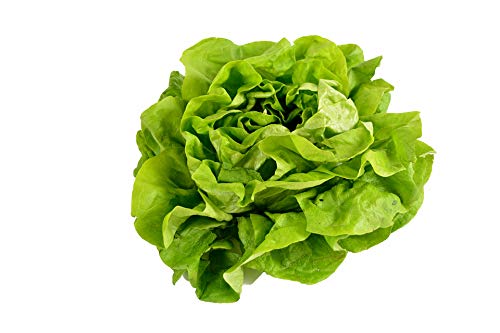
This lettuce is well known for its sweet flavor. Best if harvested in the morning.
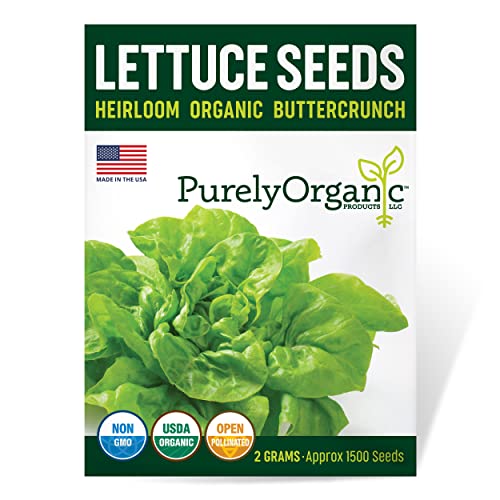
Lactuca Sativa: These finest quality, non-GMO, USDA Organic Buttercrunch Lettuce seeds produce vibrant, green heads of lettuce with mild, sweet, buttery flavored leaves. They’re the most popular of the Butterhead varieties.
Types of Lettuce
- Romaine: Romaine is crisp and sturdy. It thrives in cooler temperatures and provides a healthy dose of vitamins A and K.
- Butterhead: Butterhead lettuce features soft, tender leaves with a mild flavor. This type does well in both cool and warm weather.
- Iceberg: Iceberg lettuce offers a crunchy texture and a refreshing taste. It prefers cooler climates but can adapt to warmer conditions.
- Leaf Lettuce: Leaf lettuce includes various types with loose leaves. It’s easy to grow and quick to harvest, making it an excellent choice for beginners.
- Climate: Consider your local climate when choosing a variety. Some lettuces prefer cool weather while others thrive in warmth.
- Space: Assess your garden space. Compact varieties like leaf lettuce fit well in small areas, while larger types like romaine need more room.
- Growth Time: Check the growth time for each variety. Fast-growing leaf lettuces can be ready in as little as 30 days, while others may take longer.
- Taste Preference: Think about your taste preferences. If you enjoy a milder flavor, go for butterhead or leaf lettuces; if you prefer something crisper, choose romaine or iceberg.
By carefully selecting the right lettuce variety and considering these factors, you set yourself up for a bountiful harvest.
Preparing the Soil
Preparing the soil properly sets the foundation for healthy lettuce growth. Focus on creating ideal conditions that support robust plants.
Recommended Products

Quick, at home results for Soil pH, Nitrogen, Phosphorous and Potash Innovative and inexpensive soil test kit features an easy-to-use capsule system and patented color comparators

Accurate Soil pH Testing: Dewildetradingco Soil pH Test Strips offer measurements of soil pH levels (pH 3.5-9). As an essential tool for every gardener and grower, these test strips help determine the optimal pH for various plants, such as outdoor plants, indoor plants, gardens, grass lawns, fruit trees, flowers, vegetables, and forest shrubs.

Kindly NOTE: This soil tester can not be applied to test pH value of any other liquid. If the soil is too dry the indicator will not move, and water it before testing.
Ideal Soil Conditions
Lettuce thrives in loose, well-draining soil. Aim for a pH level between 6.0 and 7.0, which provides the nutrients your plants need.
- Choose the Right Soil Type: Loamy soil combines sand, silt, and clay, making it ideal for lettuce.
- Ensure Good Drainage: If the soil retains too much water, add organic matter like compost to improve drainage and structure.
- Add Nutrients: Incorporate well-rotted manure or balanced fertilizers to enrich the soil.
Soil Testing and Improvement
Testing your soil helps understand its composition and nutrient levels.
- Conduct a Soil Test: Use a home testing kit or send a sample to a local cooperative extension service. Look for recommendations based on test results.
- Adjust pH if Necessary: If your soil is too acidic, you can raise the pH by adding lime. Conversely, sulfur can lower pH if it’s too alkaline.
- Incorporate Organic Matter: Mix in compost or aged manure to enhance soil fertility and improve texture.
Regularly testing and amending your soil keeps it in peak condition for planting lettuce.
Planting Lettuce
Planting lettuce is straightforward and can yield delicious results. Pay attention to the timing and follow these steps for a successful planting process.
Recommended Products

Healthy Food Source: Because of its tender flavor, lettuce is a popular vegetable for salad, sandwiches, wraps, soups, stir-fries and juice. There are over 20,000 seeds, 10 kinds of lettuce collection, including bibb, boston, iceberg, buttercrunch, grand rapids TBR, oakleaf, ruby leaf, cimmaron romaine and waldmann's

Complete Lettuce Garden Starter Kit Indoor – 5 heirloom salad and green seed packets, 8 biodegradable soil disks, 8 plant markers, and 8 starter pots. Romaine, Spinach, Arugula, Kale and Buttercrunch lettuce heirloom seeds are the star of the set!
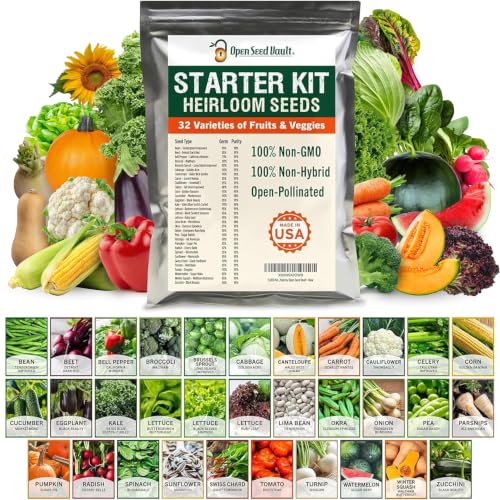
COMPLETE VEGETABLE GARDEN VARIETY PACK – Grow a thriving home garden with 32 popular vegetable seeds including Bean, Beet, Bell Pepper, Broccoli, Brussels Sprout, Cabbage, Cantaloupe, Carrot, Cauliflower, Celery, Corn, Cucumber, Eggplant, Kale, Lettuce (3 types), Lima Bean, Okra, Onion, Pea, Parsnip, Pumpkin, Radish, Spinach, Sunflower, Swiss Chard, Tomato, Turnip, Watermelon, Zucchini. A diverse mix perfect for fresh meals, backyard gardens, and sustainable growing.
When to Plant
Plant lettuce in early spring or late summer. These seasons provide optimal conditions for growth. Aim for air temperatures between 60°F and 70°F. If your area experiences hot summers, choose a cool-season variety. For fall crops, plant about six weeks before the first expected frost.
- Select Lettuce Seeds: Choose your preferred variety based on your taste and local climate.
- Prepare the Planting Bed: Remove weeds and debris, then rake the soil to create a smooth surface.
- Create Rows: Use a hoe to draw shallow furrows that are 12 to 18 inches apart.
- Spacing Seeds: Scatter seeds thinly in the furrows or plant them ¼ to ½ inch apart. Cover with a light layer of soil.
- Water Gently: After planting, water the area lightly. Ensure soil remains consistently moist but not soggy.
- Monitor and Thin: Keep an eye on your seedlings. Thin them out to 4 to 6 inches apart once they grow a few inches tall. This helps maintain good airflow and reduces competition for nutrients.
Care and Maintenance
Caring for your lettuce plants ensures they thrive and produce fresh, delicious greens. Focus on proper watering and fertilizing to promote healthy growth.
Watering Requirements
Consistent watering plays a vital role in lettuce care. Aim for 1 to 1.5 inches of water weekly, either from rainfall or supplemental watering. Check the soil moisture; if the top inch feels dry, it’s time to water. Water early in the morning to minimize evaporation and fungal growth. Drip irrigation or soaker hoses can provide a steady supply without wetting the leaves excessively.
Fertilizing Lettuce
Fertilizing enhances your lettuce’s growth and nutrient content. Use a balanced fertilizer, like a 10-10-10 (NPK) mix, apply it at planting and again 4-6 weeks later. Follow the manufacturer’s instructions for dosage to prevent over-fertilization, which can lead to bitter leaves. Organic options, such as compost or well-aged manure, offer excellent nourishment. Incorporate organic material into the soil before planting and side-dress during the growing season for sustained nutrition.
Harvesting Lettuce
Harvesting lettuce occurs at the right time for the best flavor and texture. You’ll enjoy fresh greens when you know the signs of readiness and follow best practices for harvesting.
Signs of Readiness
Look for specific indicators when assessing lettuce readiness for harvest. Check the following signs:
- Size: Romaine should reach 6 to 8 inches, while leaf varieties are ready at about 4 to 6 inches.
- Color: Vibrant green leaves indicate maturity, though some varieties change color as they ripen.
- Texture: Crispness is essential. Test a leaf; it should feel firm without any wilting.
- Days to Maturity: Pay attention to the recommended harvest date on seed packets, typically between 30 to 80 days after planting.
Best Practices for Harvesting
To ensure a successful harvest, follow these best practices:
- Use Sharp Tools: Utilize clean shears or a sharp knife to cut lettuce above the soil level.
- Harvest in the Morning: Pick your lettuce during cooler hours, ideally in the early morning, when leaves are crisp and full of moisture.
- Cut, Don’t Pull: Cut outer leaves first, allowing the inner leaves to continue growing. This technique promotes additional growth.
- Store Properly: After harvesting, rinse leaves in cold water to remove dirt, dry them gently, and store in a crisper drawer or in a sealed container with a damp paper towel for freshness.
By recognizing readiness and implementing key practices, you’ll enjoy delicious, homegrown lettuce every time.
Conclusion
Growing your own lettuce can be a fun and rewarding experience. With a little patience and care you can enjoy fresh greens right from your garden. Remember to choose the right variety for your climate and space and prepare your soil well for the best results.
As you nurture your plants keep an eye on their needs. Consistent watering and proper fertilization will help them thrive. When it’s time to harvest don’t forget to look for those signs of readiness to ensure the best flavor.
So grab your seeds and get started on your lettuce-growing journey. You’ll be amazed at how satisfying it is to enjoy a salad made with your very own homegrown lettuce. Happy gardening!
Frequently Asked Questions
What types of lettuce can I grow at home?
You can grow several types of lettuce at home, including romaine, butterhead, iceberg, and leaf lettuce. Each variety has unique characteristics, so consider your local climate, space, and personal taste when choosing the right one for your garden.
How should I prepare the soil for growing lettuce?
Prepare the soil by ensuring it is loose and well-draining with a pH level between 6.0 and 7.0. Incorporate organic matter like compost and well-rotted manure to improve soil quality. Regular soil testing will help you understand nutrient levels and adjust conditions as needed for optimal growth.
When is the best time to plant lettuce?
The best time to plant lettuce is in early spring or late summer, ideally when air temperatures are between 60°F and 70°F. In hotter climates, opt for cool-season varieties to ensure successful growth during warmer months.
How much water do lettuce plants need?
Lettuce plants require about 1 to 1.5 inches of water weekly. It’s best to water them in the early morning to reduce evaporation and minimize the risk of fungal growth. Always check the soil moisture regularly to ensure healthy growth.
When should I harvest my lettuce?
You should harvest lettuce when the leaves reach the right size, color, and texture, typically based on the days to maturity for your specific variety. Harvesting in the morning and cutting outer leaves first will enhance flavor and texture, while proper storage techniques help maintain freshness.
