

Are you dreaming of fresh, crisp lettuce right from your backyard? Planting lettuce outside is easier than you might think, and it can bring a burst of flavor to your meals. Imagine stepping outside to pick your own greens for a delicious salad; it’s a rewarding experience that anyone can enjoy.
Key Takeaways
- Variety Selection: Choose the right lettuce variety based on your climate; Butterhead and Leaf lettuces are ideal for cool climates, while Romaine and Crisphead thrive in warmer regions.
- Garden Preparation: Properly prepare your garden bed by testing soil quality, clearing debris, amending with organic matter, and ensuring good drainage to promote healthy growth.
- Optimal Planting Time: Plant lettuce seeds in early spring or late summer, targeting a timeline 2 to 4 weeks before the last frost for best results.
- Water and Care: Maintain consistent moisture through proper watering techniques and monitor for pests, employing organic methods for pest control and health maintenance.
- Harvest Techniques: Harvest lettuce by cutting at the base with clean tools in the morning for optimal freshness, and be mindful of signs indicating readiness based on leaf size, color, and texture.
Understanding Lettuce Varieties
Lettuce comes in multiple varieties, each offering unique flavors and textures. Understanding these types can help you choose the right one for your garden.
Recommended Products

4 Popular Heirloom Lettuce Varieties: Includes Red Romaine, Bibb Butterhead, Black Seeded Simpson, and Green Ice lettuce seeds to grow crisp, tender, and colorful salad greens with balanced flavor, texture, and visual appeal.

COMPLETE VARIETY PACK: Eight popular lettuce seeds including Buttercrunch, Romaine, Iceberg, Bibb, Red Oakleaf, Prizehead, plus Kale and Spinach; Perfect lettuce seeds for planting outdoors or in hydroponic systems
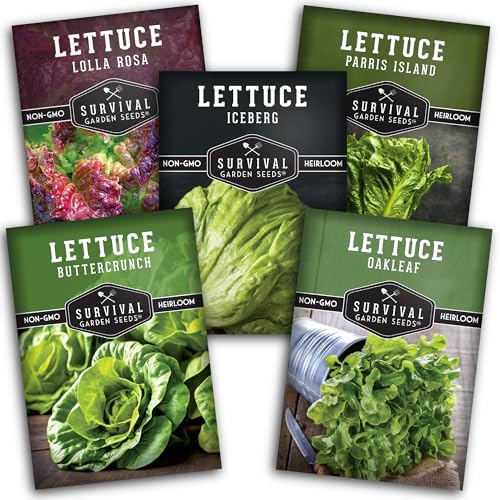
FIVE LETTUCE VARIETIES — Lettuce (Lactuca sativa) favorites including Romaine Parris Island, Buttercrunch, Iceberg, Oakleaf and Lolla Rosa for colorful, crisp salad garden harvests
Types of Lettuce
- Butterhead: This type features loose, soft leaves and a buttery texture. You can find varieties like Boston and Bibb. These lettuces thrive in cool weather and are perfect for spring planting.
- Romaine: Known for its crisp leaves and sturdy structure, Romaine holds up well in salads. Varieties include Paris Island and Little Gem. These lettuces prefer slightly warmer temperatures.
- Leaf Lettuce: This group includes both red and green leaf types. They are tender and have a slightly sweet taste. Varieties like Red Leaf and Green Leaf are popular. Leaf lettuce grows fast and can be harvested multiple times.
- Crisphead: Also known as Iceberg, this variety has a tightly packed head. It’s crunchy and refreshing, excellent for salads. Iceberg prefers direct sunlight and well-drained soil.
- Asian Varieties: These include types like Mizuna and Tatsoi, known for their peppery flavor. They add a unique twist to salads and stir-fries. These varieties tolerate cooler weather and can extend your harvest into fall.
Choosing the Right Variety for Your Region
Selecting the right lettuce variety depends on your local climate.
- Cool Climates: Choose Butterhead or Leaf lettuces. They thrive when temperatures remain below 75°F (24°C).
- Warm Climates: Romaine and Crisphead varieties perform better in warmer weather. Ensure daytime temperatures stay below 85°F (29°C) for optimal growth.
- Cold Tolerance: Consider Asian varieties if you live in a region with cooler temperatures. They can withstand light frosts and extend your growing season.
Check your local gardening zone, as different varieties grow best at specific times of the year. Local nurseries often have the best options tailored for your climate.
Preparing Your Garden Bed
Preparing your garden bed sets the stage for a successful lettuce harvest. Focus on selecting the right location and ensuring quality soil to promote healthy growth.
Recommended Products

KNOW BEFORE YOU GROW | Grow the healthiest, sustainable lawn and garden with the most accurate and easy to use professional soil test kit on the market

✅ 1Dial & 1 LCD Screen - Replace/install all 3 batteries each time. Put button to %RH/°F to - Turn On, and put to LIGHT to - Turn Off. Read the LCD results in 3-5 mins. (Not Water Moisture Meter, so, please don't test liquid)

Comprehensive Soil Analysis: Liquid soil test kits offer a comprehensive analysis of essential soil parameters, including pH, ammonia, nitrogen, phosphorus, and potassium. Having all these measurements in one kit provides a holistic understanding of the soil's fertility and health.
Selecting a Location
Choose a site that receives at least six hours of direct sunlight daily. Lettuce thrives in full sun but can tolerate partial shade, especially in hotter months. Avoid areas with heavy shade from trees or buildings. Ensure good air circulation to reduce the risk of disease. Look for spots close to a water source for easy watering.
Soil Preparation Tips
Ensure healthy soil for optimal lettuce growth. Follow these steps for effective soil preparation:
- Test Soil Quality: Conduct a soil test to check pH levels and nutrient content. Lettuce prefers a pH between 6.0 and 7.0.
- Clear the Area: Remove all weeds, rocks, and debris from the selected site. Weeds compete for nutrients and water, making removal essential.
- Amend the Soil: Incorporate organic matter like compost or well-rotted manure. Aim for a mixture of 2 to 4 inches of amendments mixed into the top 6 to 8 inches of soil.
- Loosen Soil: Use a garden fork or tiller to aerate and break up compacted soil. This improves drainage and root penetration.
- Level the Bed: Rake the surface to create an even bed. This helps with water distribution and provides a uniform planting surface.
Engaging in these preparation steps leads to a fertile garden bed, ready for your lettuce plants.
Planting Lettuce Seeds
Planting lettuce seeds is straightforward and achievable with the right approach. Follow these guidelines for a successful planting experience.
Ideal Planting Time
Timing is crucial for planting lettuce. For most regions, early spring or late summer works best. Aim to plant seeds about 2 to 4 weeks before the last expected frost date in spring. If you miss that window, consider sowing seeds in late summer for a fall harvest. Lettuce thrives in cooler temperatures, ideally between 60°F and 70°F. Pay attention to local weather forecasts, as unexpected heat can affect germination.
Seed Spacing and Depth
Seed spacing and depth impact your lettuce growth. Plant seeds about 1/4 to 1/2 inch deep in the soil. This depth ensures adequate moisture and warmth for germination. Space seeds approximately 6 to 12 inches apart, allowing enough room for mature plants. For a continuous harvest, consider sowing seeds in rows, spaced 12 inches apart. Thin seedlings once they reach 2 to 3 inches tall, maintaining a spacing of 6 to 12 inches between plants for optimal growth.
Caring for Your Lettuce
Caring for your lettuce ensures that your plants thrive and produce a fresh harvest. Proper attention to watering and pest control makes a big difference in their growth.
Recommended Products

Ultra-Fine Mesh Netting: Large Size 2pack 10x33 Feet provide more security, Ultra Fine Garden Netting has a 0.04in ultra-fine mesh, It also allows sunlight | artificial light as well as air and rain to pass through. Light material, no burden for plant buds. Provide healthy growth environment for plants. Tip:(Not two packages, it's one package with two 10*33FT garden nets inside)
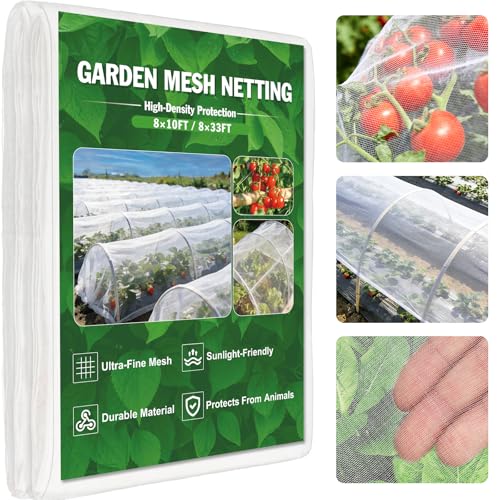
【Upgraded Fine Mesh Netting】This fine mesh garden netting uses 0.7*0.8mm high-density garden insect netting to block, birds, and small animals, offering reliable plant protection netting for vegetables and flowers

Watering Guidelines
Water your lettuce consistently to maintain moisture in the soil. Aim for about 1 inch of water per week through rainfall or irrigation. Water early in the morning to reduce evaporation. Ensure the soil remains damp but not soggy to avoid root rot. When the weather heats up, increase watering frequency to keep the soil cool and prevent wilting. Use mulch to retain moisture and regulate soil temperature.
Pest Control Strategies
Monitor your lettuce for pests like aphids, slugs, and caterpillars. Use row covers to protect seedlings from pests during their early growth stages. Handpick larger pests for immediate removal. For aphid outbreaks, a strong blast of water removes them effectively. Consider using organic insecticidal soap to treat infestations. Additionally, plant marigolds nearby to deter pests naturally. Inspect your plants regularly for signs of distress, as early detection of problems leads to successful interventions.
Harvesting Lettuce
Harvesting lettuce is rewarding and requires attention to detail. Timing and technique play a significant role in your plant’s health and quality.
Signs of Readiness
Look for these signs to determine when your lettuce is ready to harvest:
- Leaf Size: Leaves should be large enough for your desired use. Generally, harvest leaf lettuce when leaves reach 6-8 inches long.
- Color: Vibrant green colors indicate freshness. Faded or yellowing leaves suggest overmaturity.
- Texture: Crisp, firm leaves signal readiness. Wilted or limp leaves may indicate stress from heat or lack of water.
Proper Harvesting Techniques
Follow these steps for effective harvesting:
- Use Clean Tools: Always use sharp, clean scissors or garden shears to minimize damage.
- Harvest in the Morning: Morning yields the freshest leaves, as they’re crisp and hydrated.
- Cut, Don’t Pull: Cut leaves at the base to avoid damaging the entire plant. This promotes continued growth.
- Client Size Selection: Depending on your needs, you can harvest outer leaves or entire heads. For continuous growth, remove outer leaves first.
- Store Properly: Place harvested lettuce in a bucket of water to hydrate before storing. Refrigerate in a plastic bag with holes for airflow.
Taking these steps ensures fresh lettuce for your meals and encourages further growth for future harvests.
Conclusion
Growing lettuce outside can be a rewarding experience that adds freshness to your meals. With the right variety and a little care you can enjoy crisp leaves straight from your garden. Remember to keep an eye on your plants and address any issues as they arise.
Harvesting at the right time will ensure that your lettuce is at its best. So get your hands dirty and enjoy the process of nurturing your plants. Before you know it you’ll be enjoying delicious salads made from your very own homegrown lettuce. Happy gardening!
Frequently Asked Questions
What types of lettuce can I grow in my backyard?
You can grow various types of lettuce, including leaf, romaine, iceberg, and butterhead. Choose varieties based on your local climate and the season to ensure optimal growth.
How do I prepare my garden bed for planting lettuce?
Prepare your garden bed by conducting a soil test, clearing out any weeds, amending the soil as needed, and ensuring good drainage. Plant seeds at the right time, usually in cooler weather.
How should I water my lettuce plants?
Water lettuce plants consistently to maintain soil moisture. Avoid overwatering to prevent root rot, especially during hot weather when plants need more moisture.
What are some pest control strategies for lettuce?
Monitor for pests like aphids, slugs, and caterpillars. Use row covers, handpick pests, and apply organic solutions, such as neem oil, to protect your lettuce plants.
How do I know when to harvest my lettuce?
Lettuce is ready to harvest when the leaves are fully formed but still tender. Signs include a firm head in the case of romaine and a good leaf size for loose-leaf varieties.
What is the best technique for harvesting lettuce?
Use a sharp knife or scissors to cut the lettuce leaves just above the soil. This preserves the plant for future growth and ensures a clean cut to prevent bruising.
How should I store harvested lettuce?
Store harvested lettuce in a plastic bag or container in the refrigerator to maintain freshness. Avoid washing it until you’re ready to use, as excess moisture can cause spoilage.
