

Have you ever wanted to grow your own fresh lettuce but thought you didn’t have the space? You’re not alone! Many people face this challenge, but growing lettuce in containers is a simple and rewarding solution. Imagine stepping outside to pick crisp leaves for your salad right from your balcony or patio.
Key Takeaways
- Container Gardening Benefits: Growing lettuce in containers allows for space-efficient gardening, easy access, and the ability to control soil quality and drainage.
- Choosing the Right Container: Select containers that are at least 6-12 inches deep with drainage holes to promote healthy root growth and prevent overwatering.
- Optimal Planting Practices: Use high-quality potting mix, water gently after planting, and ensure containers receive 4-6 hours of sunlight daily.
- Lettuce Varieties: Focus on fast-growing, compact varieties like leaf lettuce and romaine that thrive in smaller spaces for a continuous harvest.
- Watering and Fertilization: Keep the soil consistently moist, using a balanced water-soluble fertilizer every few weeks to support growth while avoiding over-fertilization.
- Regular Monitoring: Inspect plants for pests and adjust care routines based on weather conditions to ensure healthy, robust lettuce growth.
Understanding Container Gardening
Container gardening offers a practical solution for growing lettuce, especially when space is limited. This method allows you to cultivate fresh vegetables in various settings, from small balconies to sunny patios.
Benefits of Container Gardening
- Mobility: You can move your containers to capture sunlight or shelter plants from harsh weather conditions.
- Soil Control: Container gardening lets you select premium soil, ensuring proper drainage and nutrients for your lettuce.
- Accessibility: Raised containers enhance ease of access, reducing strain while caring for your plants.
Choosing the Right Container
- Size: Select containers at least 6 to 12 inches deep for adequate root growth.
- Material: Use materials like plastic, ceramic, or fabric. Each has unique benefits, such as insulation or breathability.
- Drainage: Ensure your container has holes at the bottom. This helps prevent overwatering and root rot.
Planting Lettuce in Containers
- Fill the Container: Use quality potting mix, filling the container to about an inch below the rim.
- Sow Seeds: Space seeds according to package instructions. Thinly scatter seeds and lightly cover them with soil.
- Watering: Water gently after planting, ensuring the soil is moist but not soggy.
- Light: Position containers in locations where they receive at least 4 to 6 hours of sunlight daily.
- Fertilizing: Apply a balanced, water-soluble fertilizer every few weeks for optimal growth.
- Pest Management: Regularly inspect your lettuce for pests. Use organic, plant-safe solutions if necessary.
By understanding these foundational aspects of container gardening, you can successfully grow lettuce and enjoy fresh harvests right from your home.
Benefits Of Planting Lettuce In A Container
Planting lettuce in containers offers numerous advantages, making it an appealing option for gardeners with limited space. Enjoy fresh, homegrown lettuce while taking advantage of the unique benefits that container gardening provides.
Space Efficiency
Maximize your growing area by using containers. You can place pots on balconies, patios, or even windowsills. Choose different container sizes to fit varying spaces, allowing you to grow more lettuce in a compact area. For instance, using a vertical planter can create additional growing space without requiring much ground area.
Control Over Soil Quality
Enjoy greater control over soil quality in containers. Opt for high-quality potting mixes tailored for lettuce, ensuring proper drainage and nutrients. Adjust the soil pH and nutrient content easily, adapting to specific needs. This results in healthier plants with improved taste and texture. You can mix in organic matter or compost to enhance soil health, promoting robust growth.
Selecting The Right Container
Choosing the right container for lettuce is crucial for successful growth. The container determines how well your plants thrive, so pay attention to size, depth, and drainage.
Recommended Products

𝐊𝐞𝐞𝐩𝐬 𝐕𝐞𝐠𝐞𝐭𝐚𝐛𝐥𝐞𝐬 𝐅𝐫𝐞𝐬𝐡 𝐋𝐨𝐧𝐠𝐞𝐫: The Home-X salad keeper for refrigerator is designed to preserve the freshness of lettuce, broccoli, cauliflower, and more. It creates an ideal cold, moist storage environment to help your vegetables stay crisp and fresh for longer periods.

Keep your produce fresh for longer: The PrepSolutions Lettuce Keeper keeps your produce fresh with an adjustable air vent and water reservoir, creating the ideal environment for fresh fruits and vegetables. Item measures 12.5" W x 7.25" D x 5.25" H and weighs 1.14 lbs.

Freshness and Crispness: This vegetable and lettuce container maintains the natural humidity of your produce, keeping them fresh and crisp for longer. It's an excellent way to ensure that your vegetables don't go to waste and stay flavorful.
Size and Depth Considerations
Select a container with a minimum size of 12 inches in diameter. This size accommodates root growth and provides enough space for multiple lettuce plants. For deeper roots, opt for containers that are at least 8-12 inches deep. Wider containers allow for better airflow around the roots and support more plants. For example, a 16-inch container can hold several lettuce plants, ensuring they have room to grow without competing for nutrients.
Drainage Features
Drainage is essential for healthy lettuce. Choose containers with drainage holes at the bottom to prevent waterlogging. Excess water leads to root rot and stunted growth. If using a container without holes, add rocks or packing peanuts at the bottom to improve drainage. Monitor moisture levels closely, as lettuce prefers consistent, not soggy, soil. Ensure the container material allows for airflow; materials like terracotta or breathable plastic work well.
Choosing The Right Lettuce Varieties
Selecting suitable lettuce varieties makes a difference in container gardening. Focus on types that thrive in smaller spaces. Leafy greens grow quickly and adapt well to containers.
Leaf Lettuce Types
Leaf lettuce varieties, such as Buttercrunch, Red Romaine, and Green Leaf, work well for containers. Each type offers unique flavors and textures. Buttercrunch provides a buttery taste with a crisp texture. Red Romaine features vibrant color and a slightly sweet flavor. Green Leaf lends a delicate crunch ideal for salads.
Choose varieties based on your taste preferences. Leaf lettuce grows fast; it’ll typically be ready to harvest in 30-45 days. Consider mixing different types for a colorful, flavorful salad bowl. Regularly harvesting outer leaves encourages continued growth.
Romaine Lettuce Options
Romaine lettuce provides a crunchy, hearty option for container gardening. Varieties like Little Gem and Parisian fit well in smaller pots. Little Gem matures in about 55 days and offers a sweet, crisp bite. Parisian grows compactly, making it a perfect choice for limited space.
Plant romaine in your containers for a refreshing addition to sandwiches and salads. Regular watering is essential, as romaine prefers consistent moisture. Aim to harvest leaves regularly to promote ongoing growth and enjoyment.
Preparing The Soil And Planting
Preparing the soil properly is key to growing healthy lettuce in containers. A nutrient-rich and well-draining soil mixture fosters robust growth and tasty leaves.
Soil Mixture Recommendations
Choose a high-quality potting mix specifically formulated for vegetables. Look for blends containing peat moss, vermiculite, and compost to ensure good drainage and moisture retention. Consider adding perlite for extra aeration. Aim for a pH level between 6.0 and 7.0 to support optimal growth. Adding organic matter or compost improves soil fertility and promotes beneficial microbial activity.
- Fill the Container: Fill your chosen container with the potting mix, leaving about an inch of space from the top. This gap helps prevent soil from spilling when watering.
- Moisten the Soil: Water the potting mix lightly until it’s consistently damp but not soggy. This prepares the soil for seed placement.
- Sow the Seeds: Plant seeds about ¼ inch deep, spacing them around 4-6 inches apart if planting multiple seeds. You can also sprinkle seeds evenly over the surface for a more crowded look. If using multiple seed varieties, label them for easy identification.
- Cover the Seeds: Lightly cover the seeds with potting mix, ensuring they are not too deep. This allows for easy germination.
- Water Gently: Water again gently after covering the seeds, ensuring that the soil stays moist without waterlogging.
- Position the Container: Place the container in a spot that receives at least 6 hours of sunlight daily. A south-facing balcony or patio often works best.
- Monitor Moisture Levels: Check the soil regularly. Lettuce prefers consistently moist soil, so water when the top inch feels dry.
Following these steps prepares your container for healthy lettuce growth. Adjusting the soil mixture and planting process ensures your lettuce thrives in its new home.
Caring For Your Container Lettuce
Caring for your container lettuce ensures healthy growth and abundant harvests. Focus on the right watering and fertilization techniques for optimal results.
Recommended Products
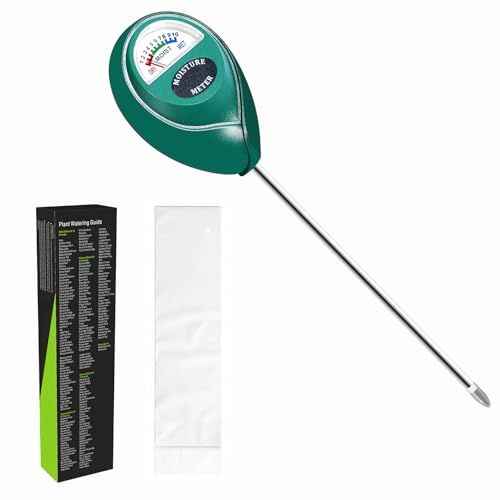
Trusted Since 2015: Become one of the many plant lovers who rely on the proven accuracy of XLUX. Established in 2015, our soil moisture meter has earned over 60,000+ verified ratings for its consistent performance. While many many newer brands come and go, we provide the long-term reliability and quality that American households have trusted for over a decade.

Soil Moisture Meter: This single probe soil moisture meter is specially designed for testing the moisture level in the soil, helps you decide whether the plants need water or not, helps to keep plants alive.

Accurate Soil Moisture Detection: The XLUX Soil Moisture Meter can tell you if the soil deep inside your pot or garden is dry, moist or wet; whereas your eyes and fingers can only determine the moisture level of the soil surface. The probe is 5.5 inches (14 cm) longer than regular styles, allowing it to measure the soil moisture at the bottom of larger and deeper flower pots.
Watering Guidelines
Watering container lettuce requires careful attention. Water regularly, keeping the soil consistently moist but not soggy. The top inch of soil should feel damp.
- Water in the morning to prevent evaporation and fungal diseases.
- Use a watering can or hose with a gentle spray to avoid disturbing the soil.
- Adjust frequency based on weather; hot, dry conditions may need daily watering.
- Consider using a moisture meter to take guesswork out of watering.
Fertilization Tips
Fertilizing container lettuce supports robust growth and flavorful leaves.
- Apply a balanced, water-soluble fertilizer every 3-4 weeks. Look for formulas with equal parts nitrogen, phosphorus, and potassium (e.g., 10-10-10).
- Incorporate a slow-release granular fertilizer at planting for sustained nutrients.
- Monitor plant response; if leaves appear pale, increase nitrogen supply.
- Avoid over-fertilizing as it can lead to bitter-tasting lettuce. Stick to recommended doses for best results.
By following these guidelines, you promote a thriving container garden where your lettuce can flourish.
Conclusion
Growing lettuce in containers is a fun and rewarding way to enjoy fresh greens right from your home. With the right container and care techniques you can cultivate a thriving garden even in limited space. Remember to choose the right variety that suits your needs and keep an eye on moisture levels to ensure your plants stay happy.
As you harvest those crisp leaves you’ll appreciate the effort you put into creating your little green oasis. So grab your containers and get started on your lettuce-growing adventure. You’ll be amazed at how easy and enjoyable it can be to grow your own fresh produce. Happy gardening!
Frequently Asked Questions
What is container gardening for lettuce?
Container gardening is the practice of growing plants, like lettuce, in pots or containers instead of traditional garden beds. This method is ideal for limited spaces such as balconies or patios, allowing you to control soil quality, moisture, and sunlight exposure more effectively.
What size container do I need for growing lettuce?
For optimal lettuce growth, choose a container with a minimum diameter of 12 inches and a depth of 8-12 inches. These dimensions allow enough space for root development and can support multiple plants, while ensuring proper drainage.
How do I plant lettuce in containers?
Fill your chosen container with a high-quality potting mix, moisten it, and sow lettuce seeds about ¼ inch deep. Space the seeds appropriately and cover them lightly with soil. Water gently and place the container in a spot where it receives at least 6 hours of sunlight daily.
Which lettuce varieties are best for container gardening?
Leaf lettuce varieties such as Buttercrunch, Red Romaine, and Green Leaf are ideal for container gardening due to their smaller growth habits. Other options include romaine varieties like Little Gem and Parisian, which are also well-suited for limited spaces.
How often should I water container-grown lettuce?
Water your container-grown lettuce regularly to maintain consistent moisture in the soil. Check moisture levels daily and water in the morning to reduce evaporation and prevent fungal diseases. Using a moisture meter can help ensure accuracy.
How should I fertilize my container lettuce?
Apply a balanced, water-soluble fertilizer every 3-4 weeks, and consider incorporating a slow-release granular fertilizer at planting. Avoid over-fertilizing, as it can lead to bitter-tasting lettuce; monitor your plants’ health to adjust nutrient levels as needed.
What are the benefits of growing lettuce in containers?
Growing lettuce in containers offers space efficiency, soil control, and accessibility. It allows you to maximize growing areas in limited spaces and provides flexibility in managing growing conditions for healthier plants and better-tasting lettuce.
