

Have you ever wanted to grow fresh lettuce right in your kitchen? With hydroponics, you can enjoy crisp greens without the hassle of soil. It’s a fun and efficient way to grow your own food, even if you don’t have a garden.
Key Takeaways
- Understanding Hydroponics: Hydroponics is a soil-less growing method that utilizes nutrient-rich water, allowing for efficient lettuce cultivation indoors.
- Key Components: Important elements include a nutrient solution, a supportive growing medium, adequate light, water supply, and proper air circulation.
- Types of Hydroponic Systems: Various systems such as Deep Water Culture (DWC), Nutrient Film Technique (NFT), Ebb and Flow, and Aeroponics offer different advantages for growing lettuce.
- Advantages of Hydroponic Lettuce: This method results in faster growth rates, more efficient space usage, reduced water consumption, and fewer pest problems compared to traditional gardening.
- Steps for Successful Planting: Properly choose your hydroponic system, select suitable lettuce varieties, prepare the nutrient solution, germinate seeds, and maintain optimal growing conditions.
- Common Challenges: Address potential issues such as disease prevention, pH level management, and regular nutrient testing to ensure healthy lettuce growth.
Understanding Hydroponics
Hydroponics offers a soil-less method for growing plants, utilizing nutrient-rich water instead. This technique allows you to cultivate lettuce and other leafy greens in an efficient manner.
Recommended Products

PATENTED SMART HYDROPONIC SYSTEM: Take your indoor gardening to the next level with our patented smart hydroponic system, featuring the exclusive LetPot app. With just a few taps on your phone, you can effortlessly adjust the 0-24 hours LED lighting schedule to provide your plants with the perfect amount of light and precies on/off time. Our innovative reminder system also ensures you never forget to water your plants again, making growing healthy and vibrant plants easier than ever before.

5 TIMES FASTER GROW: Hydroponics growing system with a 24-watt LED light that simulates the effects of sunlight which promotes photosynthesis for plants. Even if leave indoor garden in a corner, plants also germinate and grow quickly. Harvest fresh all year round. indoor herb garden LED panel can be adjusted to 180°maximum and 21 inches maximum height. Compact design fits on any windowsill or kitchen shelf, gardening gifts for women

High planting efficiency: Start an indoor herb garden with the Ahopegarden hydroponic growing system, which includes a water reservoir, an overhead LED grow light, and a circulation system that keeps the water fresh. The hydroponic setup and lighting systems allow plants to grow up to faster and healthier in controlled conditions. Simply add plant seeds, water, and nutrients to the reservoir and watch the plants grow
Key Components of Hydroponics
- Nutrient Solution: Nutrient solutions provide essential minerals for plant growth. Common elements include nitrogen, phosphorus, potassium, calcium, magnesium, and trace minerals.
- Growing Medium: While traditional soil isn’t used, various mediums can support plant roots. Options include rock wool, coconut coir, or clay pellets.
- Light Source: Adequate light is crucial for photosynthesis. Natural sunlight or grow lights can enhance growth. Aim for 12 to 16 hours of light daily.
- Water Supply: Fresh water is vital. Use clean, pH-balanced water for optimal nutrient absorption.
- Air Circulation: Proper air circulation prevents mold and ensures strong plant growth. Use fans or air pumps to maintain airflow.
Hydroponic Systems
You can choose from several hydroponic systems, including:
- Deep Water Culture (DWC): Plants suspend in a nutrient solution with air stones to supply oxygen.
- Nutrient Film Technique (NFT): A thin film of nutrient solution flows over plant roots, maximizing exposure.
- Ebb and Flow: This system periodically floods the growing area with a nutrient solution, then drains it, allowing for oxygen intake.
- Aeroponics: Roots hang in the air, receiving nutrients through a fine mist.
Advantages of Hydroponics
Hydroponics provides several benefits:
- Faster Growth: Absence of soil contaminants allows for quicker nutrient absorption and growth rates up to 30% faster.
- Space Efficiency: Using vertical space maximizes your growing area, suitable for small environments.
- Less Water Usage: Hydroponics uses up to 90% less water compared to traditional gardening.
- Fewer Pest Issues: Eliminating soil reduces pest problems, minimizing the need for pesticides.
By understanding hydroponics’ components and benefits, you can efficiently grow your own lettuce indoors, ensuring fresh produce right at your fingertips.
Benefits Of Growing Lettuce Hydroponically
Growing lettuce hydroponically offers numerous advantages that enhance the gardening experience. You can expect quicker harvests and more efficient use of space.
Faster Growth Rates
Hydroponic systems significantly shorten growth cycles. You can harvest lettuce within 30 to 45 days, compared to 60 to 80 days in traditional soil gardening. Providing a nutrient-rich water supply accelerates nutrient absorption. For instance, seedlings thrive faster when nutrients are continuously available.
Space Efficiency
Hydroponics maximizes space usage. You can grow more lettuce per square foot compared to conventional gardening methods. Vertical systems or stacked setups allow for multiple growing layers. For example, a 10-square-foot hydroponic setup yields similar results as a 100-square-foot traditional garden. This maximizes productivity, especially in urban environments where space is limited.
Hydroponics also minimizes the need for large fields. You can cultivate lettuce indoors or on rooftops, making it ideal for diverse living situations.
Steps To Plant Hydroponic Lettuce
Planting hydroponic lettuce involves several key steps to ensure success. Follow this guide to cultivate fresh lettuce in your hydroponic system.
Recommended Products

High planting efficiency: Start an indoor herb garden with the Ahopegarden hydroponic growing system, which includes a water reservoir, an overhead LED grow light, and a circulation system that keeps the water fresh. The hydroponic setup and lighting systems allow plants to grow up to faster and healthier in controlled conditions. Simply add plant seeds, water, and nutrients to the reservoir and watch the plants grow

Premium Stainless Steel Indoor Hydroponic Garden:Upgraded with a sleek stainless steel exterior and modern square design, this indoor hydroponic garden brings a refined, contemporary look to your home. A touch of fresh green adds natural beauty to modern kitchens, while the premium design fits beautifully on countertops and complements today’s interiors.

Perfect for Beginners: This hydroponic system kit is ideal for those starting out as indoor vegetable growers or for children and teachers doing projects in class.
Choosing The Right System
Select a hydroponic system that suits your space and resources. Options include:
- Nutrient Film Technique (NFT): Involves a thin film of nutrient solution flowing over plant roots.
- Deep Water Culture (DWC): Plants float on a nutrient-rich water solution.
- Ebb and Flow: Nutrient solution floods the grow tray, then drains back into a reservoir.
Assess your available space and desired yield to pick a system that meets your needs.
Selecting Lettuce Varieties
Opt for lettuce varieties that thrive in hydroponic settings. Suitable choices include:
- Boston Lettuce: Tender and flavorful, great for salads.
- Romaine: Known for its crisp texture and nutritional value.
- Butterhead: Soft and buttery leaves, perfect for gourmet dishes.
Choose varieties based on your taste preference and intended use.
Preparing The Nutrient Solution
Mix a balanced nutrient solution tailored for leafy greens. Follow these steps:
- Use high-quality, hydroponic nutrient formulas that contain essential macro and micronutrients.
- Mix nutrients with water according to the manufacturer’s instructions.
- Check the pH level. Aim for a pH between 5.5 and 6.5 for optimal nutrient absorption.
Regularly monitor and adjust the nutrient solution to maintain ideal conditions.
Germinating Lettuce Seeds
Start your lettuce seeds correctly to ensure healthy growth. Proceed as follows:
- Place seeds in seed-starting trays filled with a sterile growing medium like rock wool or coconut coir.
- Lightly moisten the medium, ensuring it’s damp but not waterlogged.
- Cover the trays with a humidity dome or plastic wrap to retain moisture until germination.
- Place trays in a warm, well-lit area, ideally between 65°F to 70°F.
Keep seeds moist and watch for seedlings to emerge within 7 to 14 days.
Common Challenges And Solutions
Growing hydroponic lettuce comes with challenges, but solutions exist for most issues. Below are common obstacles and practical strategies to overcome them.
Recommended Products

Ph Test Kit

Application: Great for all home and laboratory TDS & pH testing applications including aquariums, swimming pools
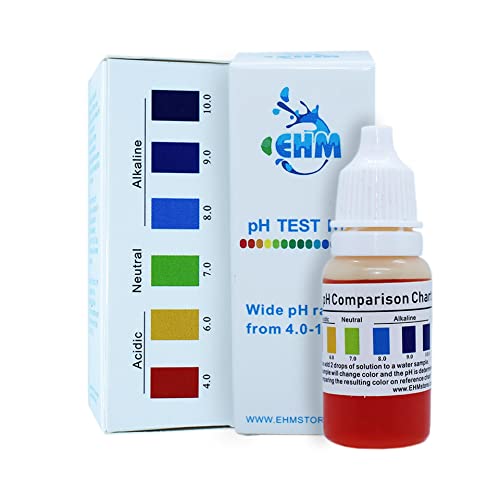
Test any clear liquid in a pH range of 4.0-10.0
Preventing Disease
Disease prevention is crucial for healthy lettuce growth. Follow these strategies:
- Maintain Cleanliness: Regularly clean your equipment and growing environment to reduce the risk of pathogens.
- Monitor Humidity Levels: Keep humidity between 50-70% to prevent mold and mildew.
- Ensure Good Air Circulation: Use fans to promote airflow, reducing the likelihood of disease.
- Inspect Plants Regularly: Look for signs of disease, such as discoloration or wilting, and act quickly if noticed.
- Check pH Levels: Keep the pH between 5.5 and 6.5. Adjust as needed using pH up or down solutions.
- Conduct Regular Nutrient Testing: Use a conductivity meter to measure nutrient levels. Aim for a range between 1,500 to 2,500 µS/cm depending on the growth stage.
- Follow a Nutrient Schedule: Use nutrient solutions designed for lettuce at specified growth stages, ensuring plants receive adequate nourishment.
- Adjust Nutrients Based on Growth Stages: Increase or decrease nutrient concentration based on whether plants are seedlings, vegetative, or nearing harvest.
Conclusion
Growing hydroponic lettuce can be a rewarding experience that brings fresh greens right to your kitchen. With the right setup and a little patience you can enjoy a bountiful harvest in no time. Remember to keep an eye on your plants and adjust your care as needed to ensure they thrive.
Whether you’re a seasoned gardener or just starting out you’ll find that hydroponics offers a unique way to engage with your plants. So get started on your hydroponic journey and watch your lettuce flourish!
Frequently Asked Questions
What are the benefits of hydroponics for growing lettuce?
Hydroponics offers faster growth, space efficiency, and shorter growth cycles compared to traditional soil gardening. It maximizes productivity, especially in urban settings, allowing for a more sustainable and high-yield cultivation of lettuce.
What hydroponic systems are best for lettuce?
Popular hydroponic systems for growing lettuce include Nutrient Film Technique (NFT), Deep Water Culture (DWC), and Ebb and Flow. Each system has its advantages, so choose one based on your available space and resources.
How do I choose the right lettuce varieties for hydroponics?
Select lettuce varieties that thrive in hydroponic setups, such as Butterhead, Romaine, or Leaf Lettuce. These types are well-suited for hydroponic growing conditions and have quick growth rates.
How do I prepare a nutrient solution for hydroponic lettuce?
Create a balanced nutrient solution tailored for lettuce, ensuring it contains essential nutrients like nitrogen, phosphorus, and potassium. Follow manufacturer guidelines for dilution and adjust based on plant requirements.
What are common challenges in growing hydroponic lettuce?
Common challenges include disease, humidity control, and nutrient imbalance. Prevent these issues by maintaining cleanliness, regulating humidity, ensuring good air circulation, and inspecting plants regularly for early signs of trouble.
How do I monitor pH levels in hydroponic systems?
Regularly check the pH levels of your nutrient solution using a pH meter or test strips. The ideal pH range for hydroponic lettuce is between 5.5 and 6.5. Adjust as needed to ensure optimal nutrient uptake.
How can I care for hydroponic lettuce as it grows?
Follow a nutrient schedule, conducting regular nutrient testing to adjust levels based on plant growth stages. Ensure proper light, temperature, and airflow to foster healthy development of your hydroponic lettuce.
