

Ever wondered why your carrot seeds never seem to grow as expected? Picture this: you eagerly plant them, only to be met with disappointment when they don’t sprout as you hoped. Fret not, as we’re here to guide you through the art of planning carrot seeds successfully.
Are you ready to unlock the secrets to a thriving carrot garden? In this article, we’ll walk you through the essential steps to ensure your carrot seeds blossom into healthy, vibrant plants. Get ready to witness your garden transform into a colorful haven of fresh, home-grown carrots in no time.
Understanding Carrot Seeds
When it comes to carrot seeds, understanding their nature is crucial for successful growth. Here are key points to keep in mind:
- Varieties: Carrot seeds come in various shapes and sizes, from short and stumpy to long and slender. Each variety has different requirements for optimal growth.
- Germination Speed: Carrot seeds are known for taking their time to germinate, often requiring up to three weeks to sprout. Patience is essential in this process.
- Ideal Soil Conditions: Carrots thrive in loose, well-draining soil. Avoid compacted or rocky soil, as it can hinder root development.
- Sunlight Needs: Carrot seeds love full sun exposure. Aim for at least six hours of sunlight daily for healthy growth.
- Watering: Keep the soil consistently moist but not waterlogged. Overwatering can lead to rotting, while underwatering can result in stunted growth.
- Spacing: Proper spacing between carrot seeds is essential for healthy root development. Aim for 2-3 inches between each seed for optimal results.
- Thinning: After germination, thin out the seedlings to ensure they have enough room to grow. Crowded plants can lead to misshapen or stunted carrots.
Carrot seeds require careful attention and the right environment to flourish. By understanding their needs and providing adequate care, you can enjoy a bountiful harvest of fresh, home-grown carrots.
Choosing the Right Location
When planning to sow your carrot seeds, selecting the perfect location in your garden is crucial for their successful growth. Here are some essential factors to consider:
- Sunlight: Choose an area that receives full sunlight for at least 6-8 hours each day to ensure optimal growth and sweet flavor.
- Soil Quality: Opt for well-draining soil that is loose, fertile, and free from rocks to promote healthy root development.
- pH Level: Aim for a soil pH level between 6.0-6.8, slightly acidic to neutral, to help the carrots absorb essential nutrients efficiently.
- Air Circulation: Ensure good air circulation around the plants to prevent issues such as disease and promote overall plant health.
- Accessibility to Water: Choose a location near a water source or plan for consistent watering to keep the soil moist but not waterlogged.
Remember, the success of your carrot crop largely depends on the location you choose for planting. Take time to evaluate these factors to create the perfect growing environment for your carrot seeds.
Preparing the Soil
To set the stage for successful carrot growth, it’s crucial to prepare the soil adequately. Here’s how you can ensure your carrot seeds have the best environment to thrive:
- Clear the Area: Start by removing any weeds, rocks, or debris from the planting site to give your carrots ample space to grow.
- Loosen the Soil: Use a garden fork or tiller to loosen the soil to a depth of at least 12 inches. This will help the carrots develop fully without obstructions.
- Add Organic Matter: Incorporate compost or aged manure into the soil to boost its fertility and provide essential nutrients for the growing carrots.
- Check pH Levels: Aim for a soil pH level between 6.0 and 6.8 for optimal carrot growth. You can use a soil test kit to determine the acidity or alkalinity of your soil.
- Ensure Drainage: Carrots prefer well-draining soil to prevent waterlogging, which can lead to rotting. If your soil retains water, consider amending it with sand or perlite.
Improving the soil quality sets a strong foundation for healthy and robust carrot growth.
Recommended Products
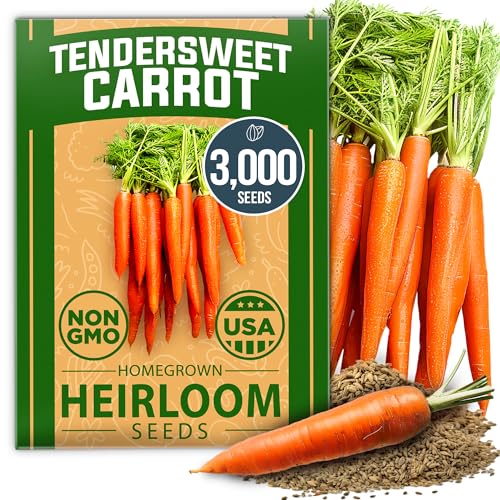
Premium Tendersweet Carrot Seeds: Authentic Open-Pollinated Premium Heirloom Seeds (USA) Non-GMO, Untreated, High Germination Rate. Phenomenal dessert Brix profile. High-impact carotene energy. An outstanding orange monolith for open ground, high ridges, and patio containers. Your garden bed is your pride.

Sweet, Coreless Roots: Heirloom carrots with tender 9-10 inches orange taproots and high sugar content. Grow in 3-10 USDA zones. Great carrots seeds for planting in any home garden.

Premium Seeds: Tendersweet heirloom carrot variety offering approximately 2600 seeds for extensive garden planting and multiple growing seasons
Planting Carrot Seeds
To plant carrot seeds successfully, follow these steps closely:
- Prepare the Soil: Ensure the soil is well-drained, loose, and rich in organic matter such as compost.
- Sow Seeds: Plant carrot seeds about a quarter-inch deep and 1 to 3 inches apart in rows.
- Cover Seeds: Gently cover the seeds with a thin layer of soil.
- Watering: Keep the soil consistently moist until the seeds germinate.
- Thinning: Once the seedlings are 1-2 inches tall, thin them to 2-3 inches apart to allow carrots space to grow.
- Weeding: Regularly weed around carrot plants to prevent competition for nutrients.
| Optimal | Range |
|---|---|
| Soil Temperature | 55-75°F |
| Germination Time | 1-3 weeks |
Recommended Products

EASIER SEED STARTING: Our Burpee SuperSeed tray with 36 flexible pop-out cells is designed to simplify indoor seed starting for all your favorite vegetables, flowers and herbs. Just add seed starting mix, seeds, water and light to get growing! Rows are labeled alphanumerically for seedling identification with included Plant-o-Gram diagram. Tray dimensions: 11.5" x 10-3/8" x 2-1/4"

Sweet Scarlet Nantes Roots - Grow orange, nearly coreless carrots with a tender bite and classic cylindrical shape. Harvest roots around 6-7 inches for fresh garden snacks, salads, roasting, soups and juicing.

【Easy to Use】The Mini Seed Spreader is designed for simplicity. Just load the seeds, hold the handheld grip,and adjust seed quantity by pressing the button. Then insert the sowing helper into the soil to planting effortlessly
Caring for Carrot Seedlings
When Caring for Carrot Seedlings, consistency is key. Here are some essential tips to ensure the best possible growth for your carrots:
- Watering: Keep the soil moist but not waterlogged to promote healthy growth.
- Thinning: Once your seedlings are 1-2 inches tall, thin them to 2-3 inches apart to prevent overcrowding.
- Protecting: Use mulch to retain moisture and protect the carrots from temperature fluctuations.
Recommended Products

Trusted Since 2015: Become one of the many plant lovers who rely on the proven accuracy of XLUX. Established in 2015, our soil moisture meter has earned over 60,000+ verified ratings for its consistent performance. While many many newer brands come and go, we provide the long-term reliability and quality that American households have trusted for over a decade.
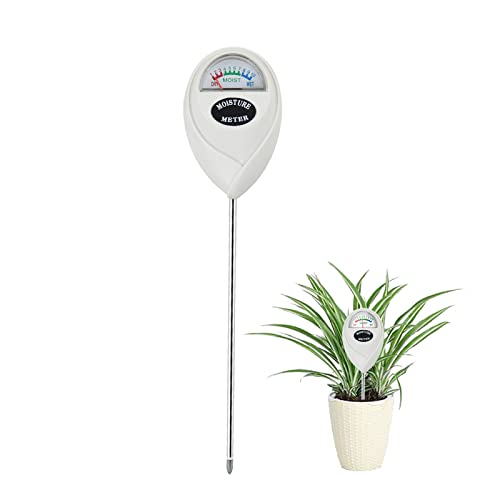
【SAVE YOUR PLANTS】: Over watering can cause problems with your plants or even kill them. This soil moisture meter helps you know the soil is dry, moist or wet.No more over watering!

Accurate Soil Moisture Detection: The XLUX Soil Moisture Meter can tell you if the soil deep inside your pot or garden is dry, moist or wet; whereas your eyes and fingers can only determine the moisture level of the soil surface. The probe is 5.5 inches (14 cm) longer than regular styles, allowing it to measure the soil moisture at the bottom of larger and deeper flower pots.
Avoiding Common Mistakes
To give your carrots the best chance at thriving, watch out for these common missteps:
- Overwatering: Too much water can lead to rot, so regulate your watering schedule carefully.
- Under-Thinning: Crowded seedlings will compete for nutrients, so thin them out as needed.
- Neglecting Weeding: Regular weeding is crucial to prevent weeds from choking out your carrot seedlings.
Monitoring Growth
Keep a close eye on your carrot seedlings as they develop:
- After thinning, continue to monitor the spacing to ensure they have room to grow.
- Check for signs of pests or diseases so you can address any issues promptly.
Harvesting
As your carrot seedlings mature, prepare for harvest by:
- Harvesting carrots when they reach the desired size, usually around 1 inch in diameter.
- Gently loosen the soil around the carrots before pulling them out to avoid damage.
Summary of Care Tips
Here’s a quick recap of how to care for your carrot seedlings:
Conclusion
You’ve now learned the essentials of planning carrot seeds successfully. Remember to care for your seedlings by watering consistently, thinning properly, and using mulch for protection. Avoid common mistakes like overwatering and neglecting weeding. Keep an eye on growth, watch out for pests, and diseases. When it’s time to harvest, pick carrots at the right size and gently pull them out to avoid damage. Happy gardening!
Frequently Asked Questions
How often should I water my carrot seedlings?
Water your carrot seedlings consistently, aiming for moist but not waterlogged soil. Check the soil regularly and adjust watering based on its moisture level.
Why is thinning important for carrot seedlings?
Thinning carrot seedlings helps prevent overcrowding, allowing each plant to receive enough nutrients and grow properly. It also promotes healthy root development.
Should I use mulch for my carrot seedlings?
Yes, mulch helps retain moisture in the soil, regulate temperature, and suppress weeds around carrot seedlings. Organic mulches like straw or grass clippings are suitable.
What are some common mistakes to avoid when caring for carrot seedlings?
Avoid overwatering, under-thinning, and neglecting weeding when caring for carrot seedlings. These mistakes can stunt growth and lead to poor harvests.
How can I prevent pests and diseases in my carrot seedlings?
Monitor your carrot seedlings regularly for pests and diseases. Maintain good hygiene, practice crop rotation, and promptly address any issues to prevent spread.
When is the right time to harvest carrots?
Harvest carrots when they reach the desired size, typically around 3/4 to 1 inch in diameter. Gently pull them out while gripping the foliage to avoid damage to the roots.
