

Have you ever wondered how to choose the freshest lettuce right from your garden? Picking lettuce might seem simple, but there’s an art to it that can make all the difference in your salads. Imagine biting into a crisp, flavorful leaf that’s just been harvested. It’s a game changer.
Key Takeaways
- Understand different lettuce varieties, such as Romaine, Butterhead, Iceberg, Leaf, and Radicchio, to enhance your salads with varying flavors and textures.
- Familiarize yourself with key growth stages: Seedling, Vegetative, Maturity, and Bolting, to determine the ideal time for harvesting fresh lettuce.
- Look for signs of readiness, including appropriate size, vibrant color, crisp texture, and absence of flowering, to ensure optimal flavor and quality.
- Utilize proper techniques and tools such as a sharp knife, garden scissors, and gentle handling to avoid damaging the lettuce during harvest.
- Store freshly picked lettuce by rinsing, drying, wrapping in a damp paper towel, and refrigerating in a perforated container to extend freshness for up to 10 days.
- Regularly check stored lettuce for wilting or browning leaves to maintain overall freshness and quality.
Understanding Lettuce Varieties
Selecting fresh lettuce starts with knowing different varieties. Each type has unique flavors and textures, adding variety to your garden and meals.
Recommended Products

YEAR-ROUND GARDEN FAVORITE – Dependable butterhead lettuce that thrives in cool or moderate weather for consistent harvests from spring through fall, even under cover in winter
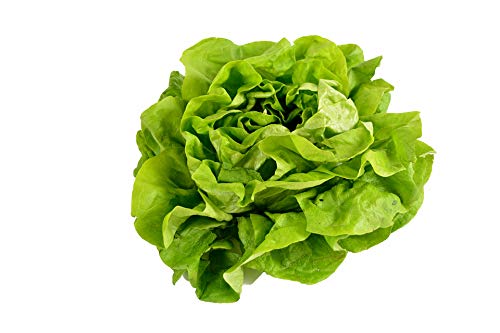
This lettuce is well known for its sweet flavor. Best if harvested in the morning.
Common Types of Lettuce
- Romaine Lettuce: Known for its tall, sturdy leaves and slightly sweet flavor. Great for salads and sandwiches.
- Butterhead Lettuce: Soft, tender leaves with a buttery texture. Use in salads for a delicate touch.
- Iceberg Lettuce: Crisp and crunchy with a mild flavor. Common in salads and burgers.
- Leaf Lettuce: Available in various colors, these loose leaves are flavorful and great in salads or wraps.
- Radicchio: This red, bitter lettuce adds a bold flavor to salads. Use it sparingly for a punch.
- Seedling Stage: Starts from tiny seeds. In this stage, focus on adequate watering and sunlight.
- Vegetative Stage: Leaves develop quickly, varying by type. Ensure regular watering and nutrient-rich soil.
- Maturity Stage: The head forms, and size depends on the variety. Harvest when the leaves are firm and crisp.
- Bolting Stage: This happens when lettuce flowers, making it bitter. Watch for flower stalks to prevent this stage.
Understanding these varieties and their growth stages helps you select the best lettuce at the right time, ensuring crisp and flavorful additions to your meals.
The Best Time to Harvest Lettuce
Timing plays a vital role in harvesting lettuce. Picking at the right moment ensures you get the crisp, flavorful greens your garden boasts.
Signs of Readiness
Look for specific indicators that show your lettuce is ready for harvesting:
- Size: Lettuce heads should reach a size appropriate for their type. For example, Romaine should be six to eight inches tall, while Butterhead can be harvested at four to six inches.
- Color: Vibrant green leaves indicate freshness. If the leaves start to dull, it’s time to pick.
- Texture: Leaves should feel crisp and firm. Wilting or softness suggests the lettuce is past its prime.
- Flowering: Once lettuce bolts and produces flowers, the leaves may turn bitter. It’s best to harvest before this occurs.
Weather Considerations
Weather impacts the quality and timing of your harvest. Keep these factors in mind:
- Temperature: Lettuce thrives in cooler weather. Harvest during early morning or late afternoon to avoid heat stress, which can affect taste and texture.
- Moisture: After rainfall, wait until the soil is slightly dry to avoid muddy conditions. Wet leaves can spoil faster.
- Frost: In cooler climates, frost can enhance the sweetness of certain lettuce varieties. If temperatures dip, consider waiting until after the frost for a more flavorful harvest.
By observing these signs and considering weather impacts, you enhance your chances of harvesting the freshest, most delicious lettuce from your garden.
Techniques for Picking Fresh Lettuce
Picking fresh lettuce involves a few simple techniques that ensure you get the best quality from your garden.
Tools You Might Need
- Sharp Knife: A sharp kitchen knife allows for clean cuts, reducing damage to the plant.
- Garden Scissors: Scissors make precise snips, perfect for delicate leaves.
- Basket or Container: A lightweight basket keeps the lettuce safe during transport and prevents bruising.
- Gloves: Wearing gloves protects your hands and keeps the lettuce clean.
- Inspect the Plants: Check the lettuce for size and color. Look for vibrant, deep green leaves without signs of yellowing or wilting.
- Choose the Right Time: Harvest in the morning when temperatures are cooler. This helps maintain crispness.
- Cut or Twist: If dealing with head types, slice the base of the head or twist the leaves off. For loose-leaf varieties, gently pull away outer leaves, allowing the inner leaves to continue growing.
- Handle with Care: Keep the leaves intact. Avoid crushing or packing them tightly.
- Rinse and Dry: Once harvested, rinse the leaves under cool water to remove dirt. Spin or pat dry gently to avoid moisture, which can cause decay.
- Store Properly: Place the lettuce in a clean container with some paper towels to absorb excess moisture, then refrigerate promptly.
Following these techniques ensures fresh, flavorful lettuce for your salads and dishes.
Storing Freshly Picked Lettuce
Storing freshly picked lettuce properly extends its life and keeps it crisp. Follow these guidelines to maintain the quality of your harvest.
Recommended Products

Keep your produce fresh for longer: The PrepSolutions Lettuce Keeper keeps your produce fresh with an adjustable air vent and water reservoir, creating the ideal environment for fresh fruits and vegetables. Item measures 12.5" W x 7.25" D x 5.25" H and weighs 1.14 lbs.

PRESERVE FRESHNESS: Our Salad Bag is a kitchen essential that helps keep greens and produce fresher longer. It’s large enough to hold whole lettuce or veggies and keep them crisp for two up to weeks in the fridge

Freshness Support: The foil-lined interior in the lettuce bag helps slow wilting, allowing leafy greens and salad ingredients to stay crisp longer while reducing moisture buildup.
Proper Techniques
- Rinse Gently: Rinse lettuce leaves in cool water to remove dirt. Avoid soaking, as excess moisture can cause wilting.
- Dry Thoroughly: Use a salad spinner or clean kitchen towels to dry the leaves. Removing water prevents soggy lettuce.
- Wrap Smartly: Wrap the dried leaves in a damp paper towel. This helps maintain moisture while preventing the leaves from becoming too wet.
- Use a Container: Place the wrapped lettuce in a perforated plastic bag or container. This setup allows air circulation while keeping the leaves fresh.
- Refrigerate: Store the container in the crisper drawer of your fridge. This section maintains ideal humidity, improving the shelf life of your lettuce.
Duration of Freshness
Freshly picked lettuce lasts between 5 to 10 days in the refrigerator, depending on the type. Here’s a quick overview:
| Type of Lettuce | Duration of Freshness |
|---|---|
| Romaine | Up to 10 days |
| Butterhead | 5 to 7 days |
| Iceberg | 7 to 10 days |
| Leaf | 5 to 7 days |
| Radicchio | 5 to 10 days |
Store your lettuce as soon as possible after harvesting for optimal flavor and texture. If you notice any wilting or browning, remove those leaves to keep the remaining ones fresh.
Conclusion
Picking fresh lettuce from your garden can be a rewarding experience. With a little attention to detail and the right techniques you can enjoy crisp and flavorful greens that elevate your meals. Remember to harvest at the right time and handle your lettuce gently to preserve its quality.
By following the tips shared here you’ll not only enhance your salads but also take pride in your gardening skills. Freshly picked lettuce can bring a burst of flavor to your dishes and make every bite feel special. So gear up and get ready to enjoy the fruits of your labor. Happy harvesting!
Frequently Asked Questions
What types of lettuce are discussed in the article?
The article covers several types of lettuce, including Romaine, Butterhead, Iceberg, Leaf, and Radicchio. Each type has its own unique flavor and texture, which can enhance salads and meals.
Why is harvesting fresh lettuce important?
Harvesting fresh lettuce is crucial because it impacts flavor, texture, and overall quality. Freshly picked lettuce is crisper and more flavorful, significantly improving your salads and dishes.
What are the signs that lettuce is ready to harvest?
Lettuce is ready to harvest when it reaches the ideal size, has rich color, firm texture, and shows no signs of flowering. These indicators ensure you enjoy the best flavor and quality.
How should lettuce be harvested for optimum freshness?
Harvest lettuce early in the morning, using sharp tools like a knife or garden scissors. Cut or twist leaves gently, avoiding damage, and ensure to check plants for size and color for readiness.
How should freshly picked lettuce be stored?
To store freshly picked lettuce, rinse it gently, dry thoroughly, and wrap it smartly in a clean container. Store it in the refrigerator’s crisper drawer to maintain freshness for 5 to 10 days.
What tools are recommended for harvesting lettuce?
The article recommends using a sharp knife, garden scissors, a lightweight basket for collecting, and gloves for protection while harvesting lettuce. These tools help ensure a clean and smooth process.
How can I ensure the best flavor from my lettuce?
To achieve the best flavor from lettuce, focus on timing when harvesting, observe the growth conditions, and handle the leaves gently. Proper washing, drying, and cool storage also help maintain flavor.
How long can freshly picked lettuce last in the fridge?
Freshly picked lettuce can last between 5 to 10 days in the refrigerator, depending on the variety. Regularly check for wilting or browning leaves to maintain the quality of the remaining lettuce.
