

Do you ever find yourself waiting impatiently for your lettuce to grow? You’re not alone. Many gardeners face the same struggle, eager for that crisp, fresh flavor in their salads. Whether you’re a seasoned pro or just starting out, understanding how to speed up lettuce growth can make a world of difference.
Key Takeaways
- Optimal Growing Conditions: Lettuce thrives best in temperatures between 60°F and 70°F; keep it away from excessive heat to prevent bitterness.
- Soil Quality: Use well-draining soil enriched with organic matter and maintain a pH between 6.0 and 6.8 for optimal growth.
- Choosing Varieties: Fast-growing varieties like Butterhead and Looseleaf can mature within 30-50 days, allowing for quicker harvests.
- Effective Watering: Maintain consistent moisture without waterlogging; check soil moisture regularly to ensure healthy growth.
- Proper Fertilization: High nitrogen fertilizers promote leafy growth; consider a balanced fertilizer like 10-10-10 for essential nutrients.
- Light Exposure Management: Ensure at least six hours of sunlight daily, using grow lights if necessary, to support robust lettuce development.
Understanding Lettuce Growth
Lettuce growth depends on several key factors, including environmental conditions and soil quality. By optimizing these aspects, you can significantly accelerate growth rates.
Ideal Growing Conditions
Lettuce thrives in cool weather. Aim for temperatures between 60°F and 70°F. If temperatures rise above 75°F, lettuce can bolt, leading to a bitter taste.
Provide your lettuce with full sun exposure. At least six hours of sunlight daily promotes robust growth. If sunlight is limited, consider using grow lights.
Watering is crucial. Ensure consistent moisture in the soil, but avoid waterlogging. A good rule is to water when the top inch of soil feels dry. Misting can also help with humidity, particularly in drier environments.
Importance of Soil Quality
Healthy soil promotes faster lettuce growth. Start with well-draining soil rich in organic matter. Compost or aged manure enhances nutrient content. Aim for a pH between 6.0 and 6.8 for optimal nutrient absorption.
Incorporate fertilizers that are high in nitrogen. This nutrient supports leafy growth, essential for delicious lettuce. Use granular or liquid fertilizers, following dosage instructions for your soil type.
Finally, ensure good soil structure. Aerate compacted soil and mix in organic materials to improve drainage and root penetration. Healthy roots lead to quicker and more abundant lettuce growth.
Techniques to Accelerate Growth
You can employ various techniques to make lettuce grow faster. These methods include careful selection of lettuce varieties and effective planting strategies.
Choosing the Right Lettuce Varieties
Select fast-growing lettuce varieties. Varieties such as Butterhead, Looseleaf, and Baby Leaf typically mature quicker than others. For instance, Butterhead can be ready for harvest in as little as 50 days. Looseleaf types often achieve full growth within 30-45 days. By choosing these quicker-maturing options, you enjoy a faster turn-around from planting to harvest.
Optimal Planting Methods
Use proper planting methods to enhance growth rates. Start by using good-quality seeds or seedlings. Consider starting seeds indoors to give them a head start. Sow seeds about 1/4 inch deep, and space them according to the variety’s recommendations. Thin seedlings to ensure good air circulation and reduce competition for nutrients.
Apply a balanced fertilizer that’s nitrogen-rich at planting time. A steady feed every few weeks can boost growth. Additionally, practice staggered planting every two weeks to enjoy continual harvests throughout the season. Keep soil consistently moist without waterlogging, as this encourages rapid growth.
Nutrients and Fertilization
Providing the right nutrients significantly influences lettuce growth. Understanding how to properly fertilize your plants ensures faster, healthier lettuce.
Recommended Products

PREMIUM QUALITY INGREDIENTS – Cz Garden Muriate of Potash is a water soluble, high purity, premium phosphate fertilizer for all indoor/outdoor flowers, lawn, and garden vegetables.

Down To Earth Langbeinite 0-0-22 is a naturally mined crystalline mineral that supplies the water-soluble sulfate form of three vital plant nutrients: potassium, magnesium and sulfurs

HIGH PHOSPHORUS FERTILIZER: Unlike other phosphorus fertilizers, our triple super phosphate has a 0-46-0 ratio of phosphorus for plants, helping plants fight phosphorus deficiency & grow healthier.
Essential Nutrients for Lettuce
Lettuce thrives on specific nutrients that support robust growth. Key nutrients include:
- Nitrogen: Promotes leafy growth and dark green color. Use a nitrogen-rich fertilizer, such as blood meal or fish emulsion.
- Phosphorus: Enhances root development and strengthens plants. Look for fertilizers that contain rock phosphate or bone meal.
- Potassium: Improves disease resistance and overall health. Fertilizers like greensand or kelp meal are excellent sources.
- Calcium: Supports cell wall strength. Incorporate lime or gypsum into your soil for its benefits.
Applying a balanced fertilizer with a ratio like 10-10-10 or 5-10-10 can ensure your lettuce receives these essential nutrients.
Organic vs. Synthetic Fertilizers
Choosing between organic and synthetic fertilizers affects your plants and the environment.
- Organic Fertilizers: These include compost, well-rotted manure, and fish emulsion. They improve soil structure, enhance microbial activity, and release nutrients slowly, reducing the risk of nutrient burn.
- Synthetic Fertilizers: These provide immediate nutrient availability. They’re convenient for quick fixes but can lead to soil degradation over time if used excessively.
Start with organic options for long-term soil health, but feel free to use synthetic fertilizers in moderation to boost growth when needed. Proper fertilization leads to a bountiful lettuce crop, making your gardening efforts worthwhile.
Environmental Factors
Environmental factors play a critical role in accelerating lettuce growth. By managing light exposure and watering practices carefully, you can create optimal conditions for your lettuce to thrive.
Recommended Products

Precise Irrigation: Professional drip irrigators and regulators provide uniform and precise irrigation; Drip arrows are added with flow stabilizers for uniform, efficient and water-saving water; Infiltration irrigation avoids scouring of soil and substrate

Efficient Automatic Watering Kit: This irrigation system delivers water directly to the roots, reducing waste and keeping soil evenly moist; Precise flow control helps plants grow stronger and healthier, so your plants thrive with less effort
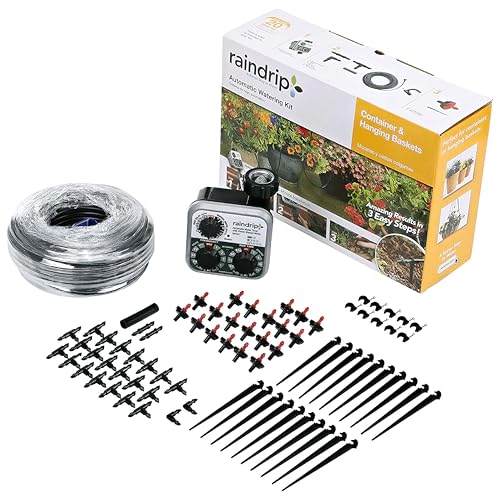
Save Time and Effort: This Raindrip drip irrigation kit includes everything you need to create a drip watering system for potted plants and precisely water up to twenty plants, saving time and effort while keeping your garden healthy
Managing Light Exposure
Providing adequate light is crucial for lettuce growth. Aim for at least six hours of full sun each day. Position your lettuce in areas that receive direct sunlight, ideally in the morning when temperatures are cooler. If growing indoors, consider using grow lights for effective light distribution. When using grow lights, place them about 6 to 12 inches above the plants and keep them on for 14 to 16 hours daily. Keep an eye on your plants; if they lean toward the light source, they need more exposure.
Watering Practices
Consistent watering significantly impacts lettuce growth. Water your lettuce regularly to keep the soil moist but not soggy. Aim for about 1 to 1.5 inches of water per week, either from rainfall or irrigation. Use a drip irrigation system or soaker hoses to deliver water directly to the roots, reducing evaporation and runoff. When watering, do so early in the morning or late in the afternoon to minimize evaporation losses. Check soil moisture by sticking your finger about an inch into the soil; if it feels dry, it’s time to water.
Conclusion
Growing lettuce can be a rewarding experience when you know how to speed up the process. By creating the right environment and using the right techniques, you can enjoy fresh lettuce in no time.
Remember to pay attention to soil quality and moisture levels while providing ample sunlight. Choosing fast-growing varieties and practicing staggered planting will keep your garden thriving.
With a little patience and the right care, you’ll be harvesting crisp, delicious lettuce to elevate your salads and dishes. Happy gardening!
Frequently Asked Questions
What factors influence lettuce growth?
Lettuce growth is influenced by environmental conditions like temperature, sunlight, and soil quality. Ideally, maintain temperatures between 60°F and 70°F, provide full sun exposure for six hours daily, and ensure consistent soil moisture without waterlogging.
How can I accelerate lettuce growth?
To accelerate growth, select fast-growing varieties such as Butterhead or Baby Leaf, start seeds indoors, maintain proper spacing, and thin seedlings. Applying nitrogen-rich fertilizers and practicing staggered planting every two weeks can also enhance growth and yield.
What is the best soil for growing lettuce?
The best soil for lettuce should be rich in organic matter with a pH between 6.0 and 6.8. Healthy soil promotes robust root development, which is essential for faster growth and larger harvests.
Should I use organic or synthetic fertilizers for lettuce?
Starting with organic fertilizers is recommended for long-term soil health. However, synthetic fertilizers can be used in moderation to provide immediate nutrients. Balancing both can lead to a productive lettuce crop.
How much water does lettuce need?
Lettuce requires about 1 to 1.5 inches of water per week. Utilizing drip irrigation or soaker hoses helps maintain consistent soil moisture while reducing water evaporation, promoting healthy growth.
How often should I plant lettuce for continuous harvests?
To ensure continuous harvests, practice staggered planting every two weeks. This technique allows you to enjoy fresh lettuce throughout the growing season while preventing the pressure of a single large harvest.
What are the benefits of thinning lettuce seedlings?
Thinning lettuce seedlings enhances air circulation and reduces competition for nutrients, helping the remaining plants grow stronger and healthier. This practice is key for promoting rapid growth and maximizing your harvest.
What light conditions are ideal for growing lettuce?
Lettuce thrives best in full sun, requiring at least six hours of direct sunlight daily. In low-light conditions, consider using grow lights, especially for indoor gardening, to ensure healthy growth.
