

Do you ever wish your tomato plants could grow faster and yield a bountiful harvest in no time? Picture this: eagerly waiting for those juicy, ripe tomatoes only to find yourself impatiently checking day after day with slow progress. What if you could accelerate their growth and enjoy the fruits of your labor sooner?
Key Takeaways
- Tomato plant growth is influenced by factors like sunlight, watering, soil quality, temperature, and nutrients.
- Understanding the stages of tomato plant growth from germination to fruit development is essential for fostering accelerated development.
- Optimal conditions such as high-quality soil, sufficient sunlight exposure, and proper temperatures can promote faster growth and increased yields.
- Fertilizers play a crucial role in providing essential nutrients for healthy tomato plant development; choose the right type and apply them correctly.
- Effective watering techniques and proper pruning are vital for promoting faster growth and overall health of tomato plants.
- Utilizing natural growth stimulants or chemical accelerators can further enhance the growth of tomato plants when used safely and appropriately.
Understanding Tomato Plant Growth
Tomato plant growth is influenced by several key factors that determine the speed and success of their development. By understanding these elements, you can optimize conditions to foster faster and healthier growth for your tomato plants.
Factors Affecting Growth
- Sunlight: Tomatoes thrive in full sunlight, requiring at least 6-8 hours of direct sun exposure daily. Insufficient sunlight can slow down growth and affect fruit production.
- Watering: Consistent watering is crucial for tomato plants. Irregular watering patterns can lead to issues like blossom end rot or stunted growth.
- Soil Quality: Well-draining, nutrient-rich soil provides a solid foundation for healthy tomato plant growth. Ensure proper soil pH levels and adequate aeration for optimal results.
- Temperature: Tomatoes prefer warm temperatures between 65°F to 85°F (18°C to 29°C) for optimal growth. Extreme heat or cold can hinder their development.
- Nutrients: Essential nutrients like nitrogen, phosphorus, and potassium are vital for robust tomato plant growth. Consider using balanced fertilizers to supplement soil nutrients.
- Germination: The first stage involves seed germination where the seed sprouts into a tiny seedling under suitable moisture and temperature conditions.
- Seedling Stage: Seedlings develop into young plants with true leaves, requiring careful attention to watering and light exposure to prevent leggy growth.
- Vegetative Growth: In this phase, the plant focuses on leaf production and establishing a strong root system before transitioning into flowering.
- Flowering Stage: Tomato plants start producing flowers that eventually turn into fruit after successful pollination by bees or wind movement.
- Fruit Development: Once pollinated, the flowers transform into green tomatoes that gradually ripen over time until they are ready for harvest.
Understanding these critical aspects of tomato plant growth will empower you to create an environment conducive to accelerated development and increased yields from your tomato garden.
Optimal Conditions for Faster Growth
Creating optimal conditions is key to accelerating the growth of your tomato plants. By ensuring the right environment, you can promote faster development and ultimately enjoy a plentiful harvest. Let’s explore essential factors that influence the rapid growth of tomato plants.
Recommended Products

Quick, at home results for Soil pH, Nitrogen, Phosphorous and Potash Innovative and inexpensive soil test kit features an easy-to-use capsule system and patented color comparators

Kindly NOTE: This soil tester can not be applied to test pH value of any other liquid. If the soil is too dry the indicator will not move, and water it before testing.

KNOW BEFORE YOU GROW | Grow the healthiest, sustainable lawn and garden with the most accurate and easy to use professional soil test kit on the market
Soil Quality and Composition
To boost the growth rate of your tomato plants, start with high-quality soil that provides essential nutrients. Opt for well-draining soil rich in organic matter like compost or aged manure. This type of soil ensures proper root development and nutrient absorption, crucial for faster plant growth.
Ensure a pH level between 6.0 and 6.8 in the soil, as it promotes nutrient availability to the plants. Regularly test your soil to monitor its quality and adjust pH levels if needed. Remember, healthy soil is the foundation for vigorous tomato plant growth.
Sunlight and Temperature Requirements
Tomatoes thrive in full sunlight, so ensure they receive at least 6-8 hours of direct sunlight daily for optimal growth. Position your plants in a sunny spot with good air circulation to prevent diseases and encourage robust development.
Maintain consistent temperatures between 65°F to 85°F (18°C to 29°C) during the day and above 55°F (13°C) at night for accelerated growth. Sudden temperature fluctuations can stress the plants, affecting their overall health and productivity.
By providing ideal conditions such as suitable soil quality, ample sunlight exposure, and appropriate temperatures, you can effectively enhance the growth rate of your tomato plants. Remember, a little extra care goes a long way in fostering rapid development and ensuring a bountiful harvest from your garden.
Enhancing Growth with Fertilizers
To further boost the growth of your tomato plants, utilizing fertilizers can provide essential nutrients that promote healthy development.
Recommended Products

VEGETABLE FERTILIZER: Get the most from your vegetable garden with Miracle-Gro Water Soluble Tomato Plant Food, a water soluble vegetable garden fertilizer that's specially formulated to help you grow more bountiful vegetables (vs. unfed plants)
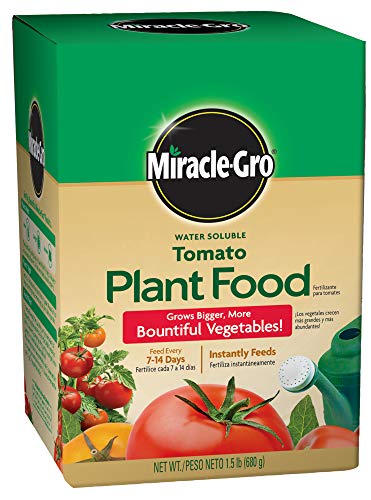
Instantly feeds to grow bigger, more bountiful vegetables versus. unfed plants

Produce abundant and vibrant fruit and blooms! This product works by strengthening your plant's roots to increase nutrient uptake… enabling it to bloom and produce like you've never seen!
Types of Fertilizers
When selecting fertilizers for your tomato plants, consider using options such as:
- Organic Fertilizers: Derived from natural sources like compost, manure, or bone meal.
- Water-Soluble Fertilizers: Dissolve easily in water and are quickly absorbed by the plants.
- Granular Slow-Release Fertilizers: Release nutrients gradually over time for sustained plant nourishment.
How to Apply Fertilizers Properly
Proper application of fertilizers is crucial for maximizing their benefits. Follow these steps:
- Timing: Begin fertilizing when your tomato plants start flowering.
- Dosage: Read and follow the instructions on the fertilizer packaging to avoid overfeeding.
- Application Method: For granular fertilizers, sprinkle evenly around the base of the plant and water thoroughly. Water-soluble fertilizers can be applied during watering sessions.
- Frequency: Apply fertilizers every 2-3 weeks during the growing season but adjust based on plant response.
By choosing the right type of fertilizer and applying it correctly, you can provide your tomato plants with the necessary nutrients to thrive and achieve faster growth for a more abundant harvest.
Importance of Watering and Pruning
Ensuring your tomato plants receive adequate water and proper pruning is crucial for their growth and overall health. Here’s why focusing on watering and pruning can make a significant difference in the development of your tomato plants.
Effective Watering Techniques
Watering your tomato plants correctly is essential to help them grow faster. Here are some practical tips to ensure you water your plants effectively:
- Consistent Moisture: Keep the soil consistently moist but not waterlogged to support healthy growth.
- Deep Watering: Water deeply, allowing the moisture to reach the roots, promoting strong root development.
- Morning Watering: It’s best to water your plants in the morning to prevent evaporation loss during hot afternoons.
- Mulching: Mulch around the base of the plant to retain moisture and reduce water evaporation from the soil.
By following these watering techniques, you’ll provide your tomato plants with the hydration they need for optimal growth.
Pruning for Healthier Plants
Pruning plays a vital role in ensuring your tomato plants stay healthy and productive. Here’s how proper pruning can benefit your plants:
- Air Circulation: Pruning helps increase air circulation around the plant, reducing humidity levels that can lead to diseases.
- Fruit Production: Removing excess foliage allows more energy to be directed towards fruit production, resulting in larger and healthier tomatoes.
- Disease Prevention: Pruning helps eliminate diseased or damaged parts of the plant, preventing diseases from spreading.
Regularly prune your tomato plants by removing suckers (the new shoots that form between stems) and any yellow or diseased leaves. This practice will promote healthier growth and maximize fruit yield.
By mastering effective watering techniques and understanding how pruning contributes to plant health, you’ll set yourself up for success in cultivating thriving tomato plants that grow faster and produce abundant harvests.
Using Growth Enhancers
When it comes to accelerating the growth of your tomato plants, there are various methods you can employ to enhance their development. Here’s how you can use growth enhancers effectively:
Recommended Products
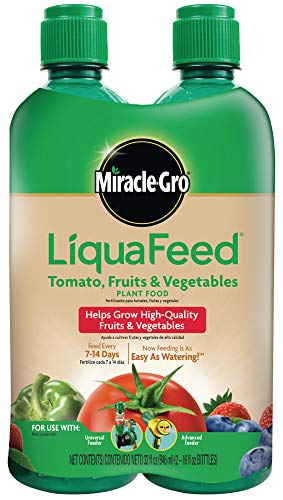
Miracle-Gro LiquaFeed Tomato, Fruits and Vegetables Plant Food helps grow high-quality fruits and vegetables

Contains natural ingredients to feed microbes in the soil

For more nutritious and tasty vegetables
Natural Growth Stimulants
To naturally stimulate the growth of your tomato plants, consider incorporating organic materials into your gardening routine. Items such as compost, aged manure, or fish emulsion can provide essential nutrients to promote healthy growth. These natural stimulants nourish the soil, creating a fertile environment for robust plant development.
Safe Usage of Chemical Accelerators
If you opt for chemical accelerators to boost the growth of your tomato plants, it’s crucial to follow safety guidelines for their application. Always read and adhere to the instructions provided by the manufacturer when using chemical enhancers. Remember to apply them in recommended quantities at appropriate intervals to prevent over-fertilization and ensure the well-being of your plants.
Conclusion
You’ve now learned the key factors that can help your tomato plants grow faster and produce a bountiful harvest. By focusing on providing optimal conditions such as sunlight, watering, soil quality, temperature regulation, and nutrients, you can accelerate the growth process. Remember to pay attention to details like fertilization methods, watering techniques, pruning practices, and the use of growth enhancers to support healthy plant development. With these strategies in place, you’ll be well on your way to enjoying a quicker yield of delicious tomatoes from your garden. Happy gardening!
Frequently Asked Questions
How can I accelerate the growth of my tomato plants for a quicker harvest?
To accelerate tomato plant growth, ensure they receive adequate sunlight, consistent watering, quality soil, optimal temperature conditions, and essential nutrients. Understanding the stages of development from germination to fruiting is crucial for creating a conducive environment.
What are the key factors influencing tomato plant growth?
Sunlight exposure, watering practices, soil quality, temperature levels, and nutrient availability significantly impact tomato plant growth. Maintaining these factors at optimal levels promotes healthy development and faster maturity of fruits.
How can fertilizers help in enhancing the growth of tomato plants?
Fertilizers play a vital role in boosting tomato plant growth by providing essential nutrients. Organic, water-soluble, or granular slow-release fertilizers can be used with proper application techniques to support accelerated growth and increase yields effectively.
Why is pruning important for promoting healthier tomato plants?
Pruning helps improve air circulation around the plants, enhances fruit production, prevents diseases by removing diseased parts promptly. Regular pruning practices contribute to overall plant health and vitality.
What are some effective methods for using growth enhancers on tomato plants?
Natural growth stimulants like compost and aged manure can enhance plant development safely. Chemical accelerators should be used cautiously following safety guidelines to avoid over-fertilization and ensure the well-being of your tomatoes.
