

Have you ever wondered how to grow your own fresh lettuce right at home? It’s easier than you might think, and there’s nothing quite like the taste of homegrown greens. Whether you’re a seasoned gardener or just starting out, growing lettuce can be a rewarding experience.
Key Takeaways
- Understand Lettuce Varieties: Familiarize yourself with different types of lettuce, such as Leaf, Head, and Romaine, to select the best varieties for your needs and climate.
- Soil Preparation: Use well-draining, loamy soil with a pH between 6.0 to 7.0 to create an optimal growing environment for lettuce.
- Proper Planting Techniques: Plant lettuce seeds ¼ to ½ inch deep, with adequate spacing (2 to 4 inches apart) to ensure healthy growth and airflow.
- Consistent Care: Regularly water and fertilize your lettuce, aiming for 1 inch of water a week. Use a balanced fertilizer for nutrient supply.
- Recognize Harvest Signs: Harvest lettuce when leaves reach 4-6 inches, are richly colored, and firm. Timing your harvest enhances flavor and freshness.
- Best Harvesting Practices: Use sharp tools, cut at the base for head varieties, and harvest in the morning for the best quality and storage.
Understanding Lettuce Varieties
Lettuce comes in several varieties, each offering unique flavors and textures. Knowing these varieties helps you choose the best for your growing space and taste preferences.
Leaf Lettuce
Leaf lettuce features tender leaves that grow in a loose arrangement. Varieties include Butterhead, Red Leaf, and Green Leaf. Leaf lettuce grows quickly, maturing in about 30 to 45 days. These types are perfect for salads, sandwiches, and garnishes. For the best flavor, harvest early in the morning or late in the afternoon, avoiding the hottest parts of the day.
Head Lettuce
Head lettuce forms a compact, dense head and includes varieties like Iceberg and Butterhead. Head lettuce typically takes longer to mature, around 70 to 90 days. This type often has a crisp texture, making it ideal for salads and wraps. Select varieties according to your climate, as some perform better in cooler temperatures than others. Look for plant spacing of 12 to 18 inches between each head to promote healthy growth.
Romaine Lettuce
Romaine lettuce has elongated leaves and a robust texture. It’s known for its crunchy leaves and slightly bitter flavor. It matures in 60 to 80 days and withstands heat better than other lettuce types. Ideal for Caesar salads and sandwiches, romaine loves well-drained, fertile soil. Water regularly, ensuring the soil remains consistently moist but not soggy. Consider planting it in partial shade in warmer months to maximize yield.
Preparing the Soil
Preparing the soil correctly sets the foundation for healthy lettuce growth. You must consider soil type and pH levels for optimal results.
Recommended Products

Quick, at home results for Soil pH, Nitrogen, Phosphorous and Potash Innovative and inexpensive soil test kit features an easy-to-use capsule system and patented color comparators

KNOW BEFORE YOU GROW | Grow the healthiest, sustainable lawn and garden with the most accurate and easy to use professional soil test kit on the market

Accurate Soil pH Testing: Dewildetradingco Soil pH Test Strips offer measurements of soil pH levels (pH 3.5-9). As an essential tool for every gardener and grower, these test strips help determine the optimal pH for various plants, such as outdoor plants, indoor plants, gardens, grass lawns, fruit trees, flowers, vegetables, and forest shrubs.
Soil Type
Choose well-draining soil for your lettuce. Loamy soil, rich in organic matter, promotes growth and helps with moisture retention. You can amend sandy soil with compost to improve its texture. If you encounter heavy clay, add gypsum or organic matter to enhance drainage. Aim for a depth of at least 12 inches to ensure ample root space.
pH Levels
Test your soil’s pH before planting. Lettuce thrives in a pH range of 6.0 to 7.0. Use a home soil testing kit for accurate results. If the pH falls below 6.0, incorporate lime to raise it. For a pH above 7.0, mix sulfur into the soil to lower it. Adjusting pH ensures the best nutrient availability for your plants.
Planting Lettuce Seeds
Planting lettuce seeds is straightforward and rewarding. Follow these steps for successful germination and growth.
Recommended Products

Healthy Food Source: Because of its tender flavor, lettuce is a popular vegetable for salad, sandwiches, wraps, soups, stir-fries and juice. There are over 20,000 seeds, 10 kinds of lettuce collection, including bibb, boston, iceberg, buttercrunch, grand rapids TBR, oakleaf, ruby leaf, cimmaron romaine and waldmann's

Complete Lettuce Garden Starter Kit Indoor – 5 heirloom salad and green seed packets, 8 biodegradable soil disks, 8 plant markers, and 8 starter pots. Romaine, Spinach, Arugula, Kale and Buttercrunch lettuce heirloom seeds are the star of the set!
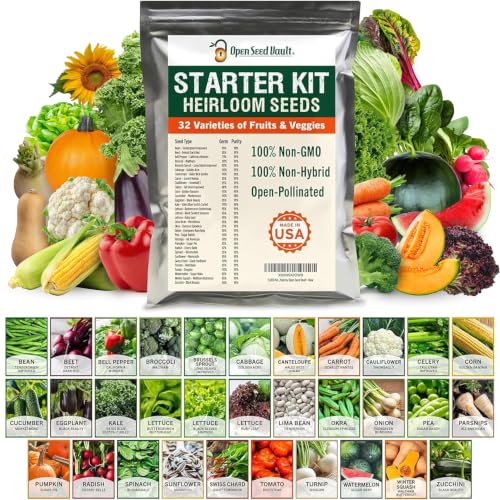
COMPLETE VEGETABLE GARDEN VARIETY PACK – Grow a thriving home garden with 32 popular vegetable seeds including Bean, Beet, Bell Pepper, Broccoli, Brussels Sprout, Cabbage, Cantaloupe, Carrot, Cauliflower, Celery, Corn, Cucumber, Eggplant, Kale, Lettuce (3 types), Lima Bean, Okra, Onion, Pea, Parsnip, Pumpkin, Radish, Spinach, Sunflower, Swiss Chard, Tomato, Turnip, Watermelon, Zucchini. A diverse mix perfect for fresh meals, backyard gardens, and sustainable growing.
Timing for Planting
Plant lettuce seeds in early spring or late summer for optimal growth. Temperatures between 60°F and 70°F (15°C to 21°C) encourage germination. If planting in spring, wait until the last frost date has passed. For a fall crop, sow seeds six to eight weeks before the first expected frost. Check your local frost dates to plan effectively.
Seed Depth and Spacing
Sow lettuce seeds about ¼ to ½ inch (0.6 to 1.3 cm) deep. Cover them lightly with soil and gently press down. For spacing, aim for 12 to 18 inches (30 to 46 cm) between rows. Within the rows, space seeds 2 to 4 inches (5 to 10 cm) apart for optimal growth. Thin seedlings to 4 to 12 inches (10 to 30 cm) apart, depending on the variety. Thinning allows for better air circulation and sunlight exposure.
Caring for Your Lettuce
Caring for your lettuce ensures healthy, vibrant plants. Focus on watering, fertilization, and overall maintenance for a successful harvest.
Recommended Products

USDA Certified Organic by Oregon Tilth

4 Popular Heirloom Lettuce Varieties: Includes Red Romaine, Bibb Butterhead, Black Seeded Simpson, and Green Ice lettuce seeds to grow crisp, tender, and colorful salad greens with balanced flavor, texture, and visual appeal.

Watering Needs
Water your lettuce regularly to keep soil consistently moist. Aim for about 1 inch of water per week, adjusting based on weather conditions. Provide deeper watering sessions rather than frequent light sprinkles to promote strong root development. Check soil moisture by inserting a finger about an inch deep; if it feels dry, it’s time to water. Avoid waterlogging, as it can lead to root rot, so ensure good drainage.
Fertilization
Fertilize your lettuce to supply essential nutrients for growth. Use a balanced, water-soluble fertilizer rich in nitrogen. Apply at planting and again two to three weeks later, following the instructions on the package for proper dosage. Additionally, consider using organic options like compost or well-rotted manure to enhance soil fertility. Test your soil occasionally to gauge nutrient levels and adjust your fertilization routine accordingly.
Harvesting Lettuce
Harvesting lettuce at the right time ensures maximum flavor and freshness. Recognizing the signs of maturity and using proper cutting techniques can greatly enhance your gardening experience.
Signs of Maturity
Look for these indicators to determine when your lettuce is ready for harvest:
- Leaf Size: Leaves should have reached 4-6 inches in length for most varieties.
- Color: Rich green leaves signal ideal maturity. Some varieties develop vibrant hues when ready.
- Texture: Leaves should feel firm and crisp, not wilted or soggy.
- Spacing: When leaves begin to crowd closely, it indicates it’s time to harvest to promote healthy growth for remaining plants.
Best Practices for Cutting
Follow these best practices to ensure a smooth harvesting process:
- Use Sharp Tools: A sharp knife or scissors minimizes damage. Avoid tearing leaves, which can lead to spoilage.
- Cut at the Base: For head lettuce, cut the entire head at the base. For leaf varieties, clip leaves individually from the outside, allowing the center to continue growing.
- Harvest in the Morning: This time yields crisper leaves as they retain moisture better.
- Store Properly: Place harvested lettuce in a cool, dark place or refrigerate. Use a plastic bag with holes for ventilation to maintain freshness.
Implementing these practices will help you enjoy crisp, fresh lettuce right from your garden.
Conclusion
Growing your own lettuce can be a delightful journey filled with fresh flavors and vibrant colors. You’ll find that each step from planting to harvesting brings its own rewards. With a little care and attention your garden can thrive and provide you with crisp greens right from your backyard.
Embrace the process and enjoy the satisfaction of nurturing your plants. Whether you’re munching on a fresh salad or sharing with friends your homegrown lettuce will surely impress. So get your hands dirty and start your lettuce-growing adventure today!
Frequently Asked Questions
What are the benefits of growing lettuce at home?
Growing lettuce at home is easy and rewarding. You can enjoy fresh, tasty greens right from your garden, which are often more flavorful than store-bought varieties. It’s also a cost-effective option, promotes healthier eating, and allows control over your gardening practices, such as avoiding pesticides.
What types of lettuce can I grow?
There are many varieties of lettuce, each offering unique flavors and textures. Popular options include Romaine, Butterhead, Leaf, and Iceberg lettuce. Depending on your taste and the growing conditions, you can choose varieties that mature quickly or offer a crunchy texture.
How do I prepare the soil for growing lettuce?
Soil preparation is crucial for growing healthy lettuce. Aim for loamy, well-draining soil with a pH level between 6.0 and 6.8. Incorporate organic matter like compost to improve fertility and structure. Testing your soil can help you manage nutrient levels effectively.
When should I plant lettuce seeds?
For optimal growth, plant lettuce seeds in early spring or late summer. The cooler temperatures help prevent bolting. Sow seeds about 1/4 to 1/2 inch deep, spacing them appropriately to ensure enough room for growth, and thin seedlings as needed to allow for adequate spacing.
How should I care for my lettuce plants?
Keep the soil consistently moist by watering regularly. Use a balanced nitrogen-rich fertilizer or organic options like compost to enhance growth. Monitoring the moisture level and applying fertilizers based on your soil’s nutrient tests will help maintain healthy plants.
When is the best time to harvest lettuce?
Harvest lettuce when the leaves are mature, showing good size, color, and texture. Look for vibrant, crisp leaves and ensure proper spacing. Cut the lettuce in the morning for maximum freshness, using sharp tools and cutting at the base for head varieties.
How can I store harvested lettuce to keep it fresh?
To maintain freshness, store harvested lettuce in a clean, dry container in the refrigerator. Avoid washing until you’re ready to use it, as excess moisture can lead to wilting. Wrap the lettuce in paper towels to absorb moisture and keep it crisp longer.
