

Have you ever watched your beautiful water lettuce thrive in the summer, only to worry about its survival as winter approaches? You’re not alone. Many plant lovers face the challenge of protecting these delicate aquatic plants from the cold.
Key Takeaways
- Understanding Water Lettuce: This aquatic plant thrives in warm, shallow waters and has thick, spongy leaves, providing natural filtration and habitat for wildlife.
- Ideal Growing Conditions: Water lettuce requires temperatures between 70°F and 85°F, 6-8 hours of full sunlight daily, and nutrient-rich water with a pH of 6.0 to 7.5 for optimal health.
- Winter Preparation: Assess your climate and choose appropriate methods for winter protection, such as indoor relocation, greenhouse storage, or heated ponds.
- Indoor Care Guidelines: Provide ample light, maintain water quality, and monitor pH levels when caring for water lettuce indoors during winter months.
- Outdoor Winterization: Clean ponds, add insulation for temperature stability, and cover plants with frost blankets to protect them from freezing temperatures.
- Challenges to Watch For: Keep an eye out for pests and signs of stress in water lettuce, such as yellowing leaves or wilting, to ensure timely intervention and plant health.
Understanding Water Lettuce
Water lettuce, known for its rosette shape and vibrant green leaves, thrives in warm, shallow waters. Understanding its characteristics and ideal growing conditions can help you maintain this plant over winter.
Characteristics and Benefits
Water lettuce has unique features, including thick, spongy leaves that float on the water’s surface. This plant can grow up to 12 inches wide, creating a lush, attractive display. Benefits of water lettuce include:
- Natural Filtration: Water lettuce absorbs excess nutrients, improving water quality in ponds and aquariums.
- Habitat: It provides shelter and breeding grounds for aquatic wildlife.
- Aesthetic Appeal: Its lush growth enhances the beauty of your water garden.
Ideal Growing Conditions
Water lettuce flourishes in specific conditions. To promote healthy growth, aim for:
- Temperature: Keep water temperatures between 70°F and 85°F. It can’t withstand frost or freezing temperatures, so plan accordingly.
- Light: Provide full sun for 6-8 hours daily. Adequate sunlight fosters vigorous growth and vibrant coloration.
- Water Quality: Use clean, nutrient-rich water. Ensure that the pH level ranges from 6.0 to 7.5 for optimal health.
- Space: Allow adequate room for growth. Crowded conditions can lead to stunted growth and disease.
Meeting these conditions supports a thriving water lettuce population, ensuring its readiness for winter preservation efforts.
Preparing for Winter
Preparing for winter involves understanding your climate and selecting the best preservation method for your water lettuce. These steps ensure your plants remain healthy during cold months.
Recommended Products
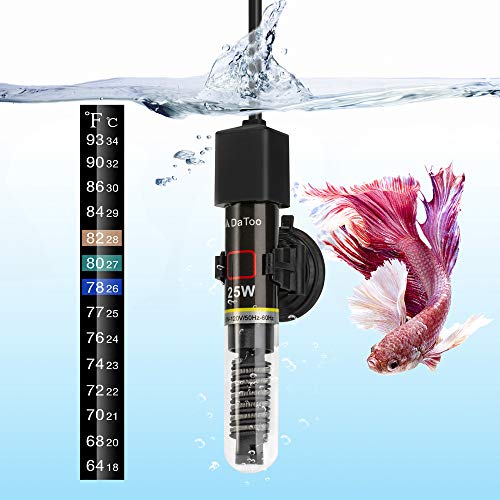
25W Betta Aquarium Heater: Creating and maintaining a perfect and comfortable water temperature for our cute fish is not easy, which requires a lot of effort. Now DaToo MINI 25W Aquarium Heater can help you make this easier. Precise and constant temperature, no need to set, keep the temperature of fish habitat in the best state at all times. You will find it very easy and happy to take care of pet fish!
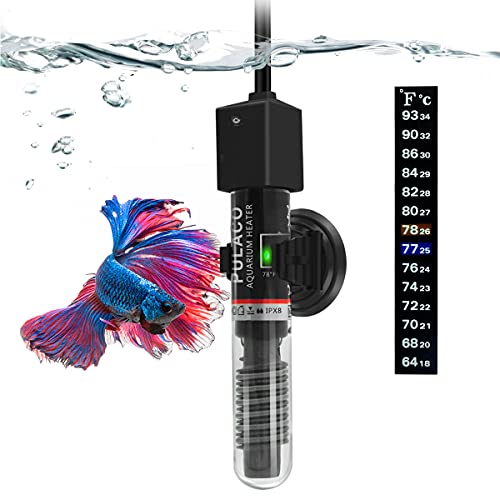
【Betta Heater】: This Fish Tank Heater should be 100% submerged into water, Ideal for small glass or acrylic desktop aquariums up 1 to 6 Gallons, not suitable for less than 1 gallon tank.

【300W Outdoor Pond Heater】HITOP 300W pond heater is used to heat surrounding water and keep ponds from freezing in cold winter. The pond deicer will not heat the entire water in ponds but melt some ice holes in pond so that fishes can breathe through the melting hole. Note: Please avoid using in the plastic pond.
Assessing Your Climate
Assess your local climate conditions. Identify whether temperatures regularly drop below 50°F. If they do, water lettuce needs protection or relocation. If your climate stays mild, you might keep your plants in place without much concern. Recognize your hardiness zone, as this determines the likelihood of icy conditions damaging your plants.
Choosing the Right Method
Choose an appropriate method for protecting your water lettuce. Here are some effective strategies:
- Indoor Relocation: Move water lettuce to an indoor aquarium or a climate-controlled container. Maintain temperatures between 70°F and 85°F to mimic summer conditions.
- Greenhouse Storage: If you own a greenhouse, place your water lettuce inside. Ensure the space receives plenty of sunlight and maintain warmth throughout the winter.
- Heated Pond or Tank: Utilize a heated pond or aquatic system designed for winter use. This method keeps the water warm, supporting plant survival.
- Floating Insulation: When temperatures drop slightly, consider using floating insulation. Styrofoam sheets or pond heaters help maintain warmer water temperatures.
- Container Method: Keep water lettuce in containers that can be easily moved. This allows for simple relocation when temperatures dip.
Select a method that fits your space and resources. Each option has unique benefits, helping you keep your water lettuce thriving even when the cold weather arrives.
Indoor Care for Water Lettuce
Caring for water lettuce indoors during winter ensures the plants remain healthy and vibrant. Follow these guidelines to provide the optimal environment.
Recommended Products

PATENTED SMART HYDROPONIC SYSTEM: Take your indoor gardening to the next level with our patented smart hydroponic system, featuring the exclusive LetPot app. With just a few taps on your phone, you can effortlessly adjust the 0-24 hours LED lighting schedule to provide your plants with the perfect amount of light and precies on/off time. Our innovative reminder system also ensures you never forget to water your plants again, making growing healthy and vibrant plants easier than ever before.

Complete Lettuce Garden Starter Kit Indoor – 5 heirloom salad and green seed packets, 8 biodegradable soil disks, 8 plant markers, and 8 starter pots. Romaine, Spinach, Arugula, Kale and Buttercrunch lettuce heirloom seeds are the star of the set!

High planting efficiency: Start an indoor herb garden with the Ahopegarden hydroponic growing system, which includes a water reservoir, an overhead LED grow light, and a circulation system that keeps the water fresh. The hydroponic setup and lighting systems allow plants to grow up to faster and healthier in controlled conditions. Simply add plant seeds, water, and nutrients to the reservoir and watch the plants grow
Light and Temperature Requirements
Provide ample light for your water lettuce. Position your plants near a south-facing window for 6-8 hours of direct sunlight daily. If natural light is insufficient, consider using grow lights to supplement. Aim for a temperature between 70°F and 85°F, as water lettuce thrives in warm conditions. Avoid placing plants near cold drafts or heating vents, which can cause temperature fluctuations.
Water Quality and Maintenance
Maintain high water quality for your indoor water lettuce. Use filtered or dechlorinated water to prevent chemical damage. Regularly check the pH level, keeping it between 6.0 and 7.5. Change about 25% of the water every week to prevent buildup of waste and nutrients. Monitor for algae growth; if present, reduce light exposure and clean the water surface. Fertilize with a diluted aquatic plant fertilizer every month to support growth, but avoid over-fertilization, which can harm the plants.
Outdoor Care for Water Lettuce
Caring for water lettuce outdoors during winter requires proactive measures to ensure your plants thrive despite cooler temperatures.
Recommended Products

More Larger Sizes Rectangular Plant Covers Freeze Protection: The Garutom frost plant covers are available in three sizes (8 ft x 24 ft, 10 ft x 33 ft, 10 ft x 50 ft), you can choose the size you need most. The plant blanket can be easily cut with scissors to fit over whatever you want
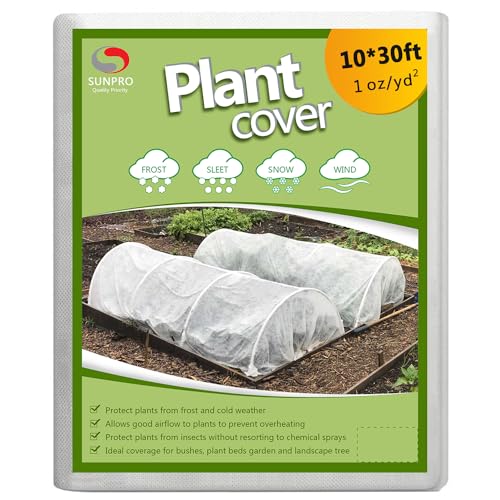
【10ft x 30ft Large Coverage & Cut to Size】Cover up to 300 sq.ft of your garden with this extra-large plant blanket. The 10ft x 30ft rectangular size is perfect for raised beds, large vegetable patches, or fruit trees. Easily cut with scissors to customize for individual shrubs or narrow rows. Its lightweight design ensures it won't crush delicate blossoms while providing a reliable windbreak.

Premium Material for Healthier Growth: Our freeze cloths for plants is expertly crafted from sturdy 1.0oz/yd² polypropylene non-woven fabric. Unlike traditional PE material, our innovative choice ensures not only superior cold protection but also excellent breathability, fostering a healthier and more vibrant growth environment for your plants.
Winterizing the Pond
Winterizing the pond helps protect water lettuce in colder months. First, remove any debris from the pond to prevent waste buildup. Next, if your pond’s depth is shallow, consider adding a layer of mulch or floating insulation to insulate the surface and maintain a stable temperature. If the pond frequently freezes, relocate water lettuce to a more sheltered area or bring it indoors. Keeping the pond clean and well-maintained supports a healthy ecosystem, benefitting not just your water lettuce but also other aquatic life.
Protecting from Frost
Protecting water lettuce from frost helps preserve its health. Cover the plants with frost blankets or burlap during night temperatures that approach freezing. If you notice frost is forecasted, gather the lettuce into containers for temporary storage indoors. Ensure these containers have enough water to prevent the roots from drying out. Ideally, place covered plants in a spot that receives morning sunlight to help them warm up quickly once the frost melts. Monitoring weather forecasts can save your water lettuce from cold damage.
Common Challenges
Maintaining water lettuce during winter comes with several challenges. Addressing these issues ensures your plants stay healthy and vibrant throughout the cold months.
Pests and Diseases
Pests can threaten your water lettuce. Common pests include aphids, spider mites, and mealybugs. Regularly inspect your plants for any signs of these infestations. Remove pests by hand or use insecticidal soap if necessary. Fungal diseases may also arise in damp conditions. Ensure proper water circulation and avoid overwatering to minimize risk. If you notice spots on leaves or a mildew smell, treat with a suitable fungicide.
Signs of Stress in Water Lettuce
Recognizing stress in water lettuce helps you take timely action. Watch for yellowing leaves, which indicate nutrient deficiencies or poor water quality. If leaves appear wilted or shriveled, it often points to inadequate watering or low humidity. Cold temperatures cause roots to suffer, leading to stunted growth. If you see plants turning brown, immediate relocation to a warmer area is essential. Regular monitoring helps catch these signs early, so your water lettuce remains healthy.
Conclusion
Keeping your water lettuce healthy over winter doesn’t have to be a daunting task. With the right preparation and care, you can ensure these beautiful plants survive the colder months. Whether you choose to bring them indoors or protect them outdoors, staying vigilant about their needs will make all the difference.
Remember to monitor temperatures and light conditions closely and keep an eye out for any pests or diseases. By taking proactive steps and being attentive to changes, you’ll set your water lettuce up for a vibrant return come spring. Happy gardening and enjoy your aquatic oasis all year round!
Frequently Asked Questions
What is water lettuce and why is it important?
Water lettuce is an aquatic plant known for its rosette shape and vibrant green leaves. It thrives in warm, shallow waters and offers several benefits, including natural water filtration, providing habitat for aquatic wildlife, and enhancing aesthetic appeal in ponds and water gardens.
How do I know if my water lettuce can survive winter?
Check local climate conditions. If temperatures regularly drop below 50°F, your water lettuce may need protection or relocation. Additionally, knowing your hardiness zone can help assess the risk of icy conditions for these delicate plants.
What are the ideal growing conditions for water lettuce?
Water lettuce flourishes in temperatures between 70°F and 85°F, requires full sunlight for 6-8 hours a day, and prefers clean, nutrient-rich water with a pH level of 6.0 to 7.5. Providing adequate space for growth is also essential for its thriving.
How can I protect water lettuce during winter?
You can protect water lettuce by relocating it indoors to a climate-controlled space, using a greenhouse, placing it in a heated pond or tank, applying floating insulation, or storing it in containers for easy movement to warmer areas.
What should I consider for caring for water lettuce indoors?
Indoors, ensure your water lettuce receives 6-8 hours of direct sunlight daily, ideally near a south-facing window, and maintain temperatures between 70°F and 85°F. Use filtered water, check pH levels, and monitor for algae growth to ensure optimal health.
How do I care for outdoor water lettuce in the winter?
Winterize outdoor water lettuce by removing debris from ponds, adding mulch or insulation for shallow ponds, and relocating plants if freezing is expected. Cover them with frost blankets during freezing nights for added protection.
What pests and diseases should I watch for with water lettuce?
Common pests include aphids, spider mites, and mealybugs. Inspect regularly and treat with insecticidal soap if necessary. Also, monitor for fungal diseases caused by damp conditions, ensuring proper water circulation and avoiding overwatering.
What signs indicate stress in water lettuce?
Signs of stress include yellowing leaves, wilting, or browning. If you notice these symptoms, consider relocating the plants to warmer areas. Regular monitoring is crucial to catch these issues early and maintain healthy water lettuce throughout winter.
