

Have you ever bought a head of living lettuce only to watch it wilt away in a few days? It’s frustrating when you want fresh greens at your fingertips but can’t seem to keep them thriving. You’re not alone in this struggle, and the good news is that with a few simple tips, you can enjoy your lettuce longer and keep it crisp and delicious.
Key Takeaways
- Understand Living Lettuce: Living lettuce remains fresh longer due to its intact root system, allowing you to harvest leaves as needed while maintaining flavor and sustainability.
- Ideal Growing Conditions: Provide bright, indirect sunlight for 12-16 hours daily, maintain temperatures between 60°F and 70°F, and ensure humidity levels of 50%-70% for optimal growth.
- Effective Watering Techniques: Water when the soil feels dry at the inch level, focus on the base of the plant, use room temperature water, and maintain a consistent watering schedule while avoiding common pitfalls like overwatering.
- Nutrient Management: Use balanced fertilizers containing nitrogen, phosphorus, and potassium. Choose between organic and synthetic options based on your preferences and plant needs.
- Proper Harvesting Practices: Harvest living lettuce at 6-8 inches in height, using sharp scissors to encourage regrowth. Inspect regularly for pests and disease to maintain plant health.
- Ongoing Maintenance: Monitor light levels, maintain soil pH, mulch for moisture retention, and ensure good airflow by pruning for healthier, thriving lettuce plants.
Understanding Living Lettuce
Living lettuce refers to hydroponically grown lettuce that retains its roots, allowing it to stay fresh for longer. By understanding its characteristics, you can ensure your lettuce thrives in your space.
What Is Living Lettuce?
Living lettuce is lettuce grown in a way that keeps its root system intact. Typically packaged with roots still attached, it provides a fresher option compared to pre-cut varieties. Common types include Butterhead, Romaine, and Leaf lettuce. This method allows you to harvest leaves as needed, keeping the plant alive and vibrant.
Benefits of Growing Living Lettuce
Growing living lettuce offers numerous advantages:
- Extended Freshness: Retaining roots means your lettuce stays fresh and crisp for weeks, minimizing waste.
- Flavor: The taste is often superior to store-bought versions, adding a vibrant flavor to your meals.
- Sustainability: Growing your own lettuce cuts down on packaging waste and reduces the carbon footprint of transporting produce.
- Convenience: You can harvest only the amount needed, ensuring you always have fresh lettuce on hand.
Understanding these aspects makes growing and maintaining living lettuce straightforward and beneficial for your culinary needs.
Essential Growing Conditions
Maintaining living lettuce requires understanding its essential growing conditions. Meeting these requirements helps ensure your lettuce stays fresh and flavorful.
Recommended Products

5000K White Full Spectrum Light: Barrina T5 grow lights 1ft provide indoor plants with full-spectrum sunlight replacement. We provide the most reasonable grow light wave based on the ratio of the absorption of the plant

Height Adjustable up to 75": Easily adjust the height from 59–75 inches to accommodate plants of different sizes—from tabletop plants to tall indoor greenery. Featuring dual lamp heads and 360° flexible goosenecks, this plant grow light allows for flexible positioning and wider light coverage to better fit your plants’ growing needs.

FULL SPECTRUM & NATURAL LIGHT: A19 full spectrum grow light appears 4000K white to eyes but has a red/blue light spectrum. Same as natural sun shine, perfect for tomatoes, cucumbers, peppers, leafy greens and herbs at all growth stages.
Light Requirements
Ensure your living lettuce receives bright, indirect sunlight for about 12 to 16 hours daily. Place it near a window or use grow lights if natural light isn’t sufficient. Monitor light exposure; too much direct sunlight can lead to wilting or leaf scorch. Rotate the plant regularly to promote even growth.
Temperature and Humidity
Keep the temperature between 60°F and 70°F (15°C to 21°C) for optimal growth. Lettuce thrives in cooler conditions, so avoid placing it near heat sources. Maintain humidity around 50% to 70% for healthy leaf formation. Use a humidifier or mist the leaves regularly if the air is dry, especially during winter months.
Watering Techniques
Watering is crucial for keeping your living lettuce healthy and vibrant. Mastering the right techniques promotes growth and enhances flavor.
Best Practices for Watering
- Check Soil Moisture: Use your finger to feel the soil about an inch deep. Water when it feels dry to the touch.
- Water at the Base: Focus on watering the base of the plant. This method ensures that moisture penetrates the roots directly and minimizes leaf wetness.
- Use Room Temperature Water: Cold water can shock the plants. Room temperature water promotes better absorption and growth.
- Employ a Gentle Flow: Use a watering can with a spout or a spray nozzle. A gentle flow prevents soil erosion and leaf damage.
- Maintain Consistency: Water regularly—aim for every 2-3 days. Consistent moisture encourages steady growth.
- Adjust for Seasons: Increase your watering frequency in warmer months and reduce it in cooler ones, as the plants’ water needs vary.
- Overwatering: Too much water leads to root rot. Always ensure excess water can drain freely after watering.
- Watering at Night: Watering late can promote fungal growth. Water in the morning for the best results.
- Ignoring Humidity Levels: High humidity can affect moisture retention. Adjust your watering schedule according to your indoor humidity.
- Using Chlorinated Water: Tap water may contain chlorine, which can stress your plants. Let the water sit for 24 hours to allow chlorine to dissipate.
- Neglecting Drainage: Ensure pots have good drainage. Poor drainage can drown roots and stunt growth.
By implementing these watering techniques and avoiding common pitfalls, you’ll help your living lettuce stay fresh and alive longer.
Nutrient Management
Nutrient management is vital for keeping your living lettuce healthy and robust. Proper fertilization ensures your plants have the essential nutrients they need for optimal growth.
Recommended Products

MasterBlend Lettuce Fertilizer Formula by PowerGrow Systems is fully Water Soluble
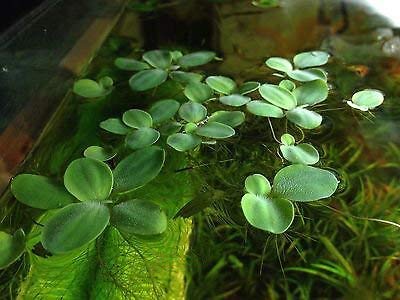
12 Dwarf Water Lettuce, Pistia stratiotes, Live Aquarium/Floating/Aquatic Plant

Contains chelated minor elements
Choosing the Right Fertilizer
Selecting a suitable fertilizer requires knowledge of your lettuce’s nutritional needs. Look for high-quality fertilizers that contain nitrogen, phosphorus, and potassium, as these macronutrients promote healthy leaf development, root growth, and overall vitality. A balanced, water-soluble fertilizer works well for living lettuce. Follow the application instructions on the package carefully to avoid over-fertilizing.
Organic vs. Synthetic Options
Deciding between organic and synthetic fertilizers depends on your preferences and growing practices.
- Organic Fertilizers:
- Derived from natural sources like compost, manure, or bone meal.
- Enhance soil health over time and support beneficial microbial activity.
- Examples include fish emulsion, seaweed extract, and worm castings.
- Synthetic Fertilizers:
- Manufactured chemical products that provide immediate nutrients.
- Offer precise nutrient ratios and quick absorption.
- Products like ammonium nitrate or triple superphosphate fall into this category.
Each option presents distinct benefits. If you prefer eco-friendly methods, organic fertilizers are suitable. For faster nutrient delivery, synthetic options work well. Adjust your choice based on the growth stage and specific needs of your living lettuce.
Harvesting and Maintenance
Harvesting living lettuce at the right time ensures maximum freshness and flavor. Regular maintenance promotes continued growth and plant health.
When to Harvest Living Lettuce
Harvest living lettuce when it reaches 6 to 8 inches in height. Check for vibrant leaves; they should be crisp and firm. To harvest, use sharp scissors to cut just above the root base. This method allows the plant to regrow and produce additional leaves. Harvest in the morning when moisture levels are higher for better texture and taste. If you notice flowers forming, it’s best to harvest immediately, as this indicates the plant is nearing the end of its growth cycle.
- Monitor Light Levels: Provide 12 to 16 hours of light daily. Adjust artificial lights or move pots for optimal exposure.
- Inspect for Pests: Regularly check for common pests like aphids and slugs. Treat infestations promptly with organic insecticidal soap.
- Rotate Crops: Avoid planting lettuce in the same spot consecutively. Rotate crops to minimize disease risk and nutrient depletion.
- Maintain Soil pH: Aim for a pH of 6.0 to 7.0. Test soil regularly to ensure lettuce thrives.
- Mulch Around Plants: Add organic mulch to retain moisture and suppress weeds. This helps regulate soil temperature.
- Prune for Airflow: Regularly trim inner leaves to improve airflow. Better airflow reduces humidity and can deter diseases.
- Keep an Eye on Watering: Water consistently, allowing the top inch of soil to dry out between watering sessions to prevent root rot.
By following these guidelines for harvesting and maintenance, you’ll enjoy a thriving supply of fresh, crisp living lettuce.
Conclusion
Keeping your living lettuce thriving is all about attention and care. By following the right techniques and staying mindful of your plants’ needs you can enjoy fresh greens right from your garden.
Remember to monitor light levels and maintain a consistent watering schedule. Regularly check for pests and ensure your nutrient balance is on point. With a little patience and dedication you’ll have a continuous supply of crisp lettuce to elevate your meals.
Happy growing and enjoy your fresh harvest!
Frequently Asked Questions
What are the benefits of living lettuce grown hydroponically?
Living lettuce grown hydroponically offers extended freshness since the roots remain intact. This method also allows for a more controlled environment, promoting better nutrient absorption and faster growth. Additionally, hydroponic systems use less water compared to traditional soil gardening, making them more efficient.
What types of living lettuce are suitable for hydroponic growth?
Common types of living lettuce ideal for hydroponic growth include Butterhead, Romaine, and Crisphead varieties. Each type has unique flavors and textures, making them versatile options for salads and other dishes.
What essential conditions are needed for growing living lettuce?
Key growing conditions for living lettuce include adequate light, consistent temperatures (ideally between 60-70°F), and good airflow. Proper pH levels (between 5.5 and 6.5) and nutrient management are also crucial for optimal growth.
How should I water living lettuce in a hydroponic system?
Watering techniques for hydroponic lettuce involve maintaining a consistent water level in the reservoir, ensuring proper nutrient delivery. Monitor moisture levels, but avoid overwatering to prevent root rot. Regularly check and adjust water quality for optimal plant health.
What are the common mistakes to avoid when growing hydroponic lettuce?
Common mistakes include over-fertilizing, neglecting pH balance, and insufficient light exposure. Additionally, not monitoring for pests or using improper watering techniques can hinder growth. Learning and adjusting to these factors can significantly improve your success.
When is the right time to harvest living lettuce?
Harvest living lettuce when the leaves are vibrant and mature but before they start to bolt (flower). This typically occurs 6 to 8 weeks after planting, depending on the variety. Aim to harvest in the morning for optimal flavor.
How do I maintain proper nutrient management for hydroponic lettuce?
To maintain proper nutrient management, regularly check and adjust the nutrient solution to ensure a balanced mix of macronutrients. Use high-quality fertilizers and follow recommended dosage guidelines to promote healthy growth.
What maintenance practices are essential for growing living lettuce?
Essential maintenance practices include monitoring light levels, inspecting for pests, and checking water quality. Additionally, implement crop rotation, maintain soil pH, and regularly prune for airflow to promote healthy growth.
How does mulching help in growing living lettuce?
Mulching helps retain moisture, suppress weeds, and regulate soil temperature, creating a more stable environment for living lettuce. While more common in soil gardening, using organic mulch in hydroponics can still provide benefits especially in maintaining overall system health.
Why is proper watering technique important for hydroponic lettuce?
Proper watering technique is crucial to ensure that lettuce plants receive enough nutrients without drowning the roots. Consistent moisture levels prevent stress and promote faster, healthier growth, ultimately leading to a better harvest.
