

Have you ever watched your lettuce wilt in the summer heat? It’s a common frustration for gardeners who want fresh greens all season long. But with a little know-how, you can keep your lettuce thriving even when temperatures rise.
Key Takeaways
- Ideal Growing Conditions: Lettuce thrives best in temperatures between 60°F and 70°F. Use shade cloth and mulch to protect plants from summer heat.
- Choose Right Varieties: Opt for heat-tolerant lettuce varieties such as Butterhead, Romaine, and Oakleaf to ensure healthier growth in warm conditions.
- Soil Health is Key: Prepare nutrient-rich soil and maintain an N-P-K ratio of 5-10-10. Regularly test soil pH, aiming for a range of 6.0 to 7.0 for optimal growth.
- Consistent Watering: Water lettuce consistently, aiming for about one inch per week. Employ early morning or late evening watering to reduce evaporation.
- Monitor Pests and Diseases: Keep an eye out for common pests like aphids and slugs, and use companion planting or organic controls for effective management.
- Regular Maintenance: Engage in practices like crop rotation, soil health management, and physical barriers to foster a thriving summer garden.
Understanding Lettuce Growth
Lettuce growth relies on several environmental factors. Understanding these will help you keep your greens flourishing all summer.
Ideal Temperature Conditions
Lettuce thrives in temperatures between 60°F and 70°F. When temperatures consistently exceed 75°F, lettuce may begin to bolt, leading to a bitter taste and tougher leaves.
To maintain ideal conditions, consider the following:
- Shade Cloth: Use shade cloth during hot days to protect plants from direct sunlight.
- Mulching: Apply mulch to retain soil moisture and cool the roots.
- Timing: Plant lettuce early in the morning or late in the afternoon to avoid extreme heat.
Lettuce Varieties for Summer
Different lettuce varieties handle summer heat differently. Opting for heat-tolerant types can lead to a successful crop.
Here are some recommended summer varieties:
- Butterhead: Soft and tender, this variety withstands heat better than others.
- Romaine: This crisp type maintains its flavor and texture even in warmer conditions.
- Oakleaf: Fast-growing and resistant to bolting, oakleaf is versatile for salads and sandwiches.
Selecting the right variety can significantly improve your harvest and enjoyment of fresh lettuce.
Soil and Fertilization
Soil and fertilization play a crucial role in keeping your lettuce healthy during the summer months. Proper preparation and nutrient management ensure strong growth and vibrant greens.
Nutrient Requirements
Lettuce thrives in nutrient-rich soil. Key nutrients include nitrogen, phosphorus, and potassium. Nitrogen promotes leafy growth, phosphorus supports root development, and potassium enhances overall plant health. An ideal N-P-K ratio for lettuce is 5-10-10.
Organic options, such as compost or well-rotted manure, boost soil fertility. You can also use balanced fertilizers, mixed according to package instructions. Test soil pH; lettuce prefers a range of 6.0 to 7.0. Adjust acidity if needed using lime (to raise pH) or sulfur (to lower pH).
Soil Preparation Tips
Prepare your soil effectively for optimal lettuce growth. Start by clearing the garden bed of weeds and debris. Loosen the soil to a depth of about 12 inches. Mix in organic matter like compost to improve texture.
Add a slow-release fertilizer at planting, ensuring you follow the recommended application rate. Mulch around your lettuce plants with straw or shredded leaves to retain moisture and suppress weeds. Water regularly but avoid waterlogging; lettuce prefers consistently moist soil.
Watering Techniques
Consistent watering plays a vital role in keeping lettuce thriving throughout the hot summer months. Using effective watering techniques ensures your plants stay healthy and vibrant.
Recommended Products
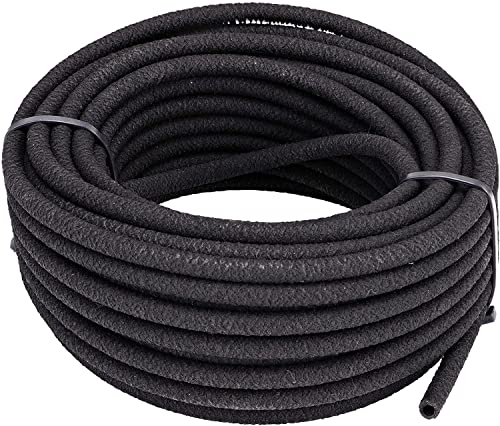
Slowly waters the soil around your plants for complete root zone hydration; Ideal for short runs on flat surfaces, such as vegetable gardens, borders, and around small plants
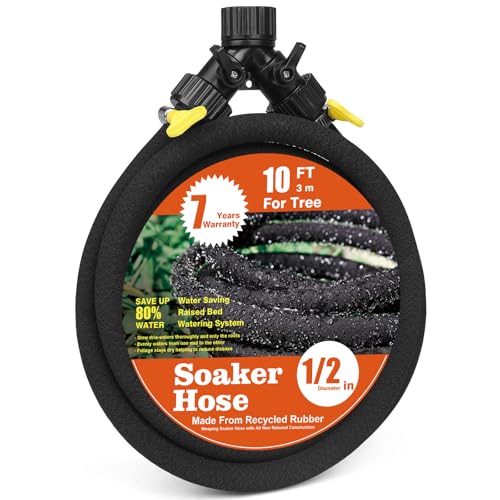
Tree soaker hose 10 FT Length with Extra Clamps and Washers.
Importance of Consistent Moisture
Lettuce requires consistent moisture to prevent stress from heat. When soil dries out, plants struggle, leading to wilting and bitter flavors. Maintaining even moisture helps lettuce grow lush and crisp. Aim for about one inch of water per week, adjusting based on rainfall.
- Water Early or Late: Opt for watering in the early morning or late evening to reduce evaporation. Cooler temperatures allow for better absorption.
- Use Soaker Hoses: Employ soaker hoses to deliver water directly to the soil. This method minimizes evaporation and targets roots effectively.
- Mulch for Moisture Retention: Apply organic mulch around plants to keep soil cool and retain moisture. Mulch also suppresses weeds and adds nutrients as it decomposes.
- Check Soil Moisture: Before watering, check the top inch of soil. If it feels dry, it’s time to water.
- Avoid Overwatering: Ensure proper drainage to prevent waterlogged soil. Overwatering can lead to root rot and other issues.
Following these practices keeps your lettuce healthy, ensuring a productive and enjoyable summer harvest.
Pest and Disease Management
Managing pests and diseases is crucial for keeping your lettuce healthy all summer. Knowing which threats to monitor and employing preventive measures helps ensure a bountiful harvest.
Recommended Products
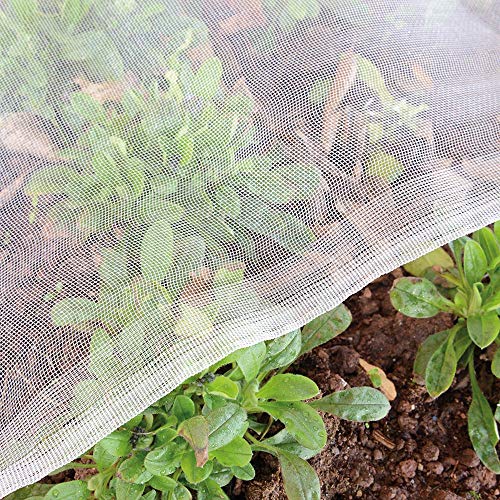
🥬Effective Bug Barrier: Protecting plants and vegetables from a wide range of pest insects and animals, such as cicadas, carrot fly and many species of aphids, you will get a healthier and happier garden

Ultra-Fine Mesh Netting: Large Size 2pack 10x33 Feet provide more security, Ultra Fine Garden Netting has a 0.04in ultra-fine mesh, It also allows sunlight | artificial light as well as air and rain to pass through. Light material, no burden for plant buds. Provide healthy growth environment for plants. Tip:(Not two packages, it's one package with two 10*33FT garden nets inside)

Protection Function: The raised garden bed plant protectors quickly create a closed space that protects the plants from insects, birds and animals, while also allowing sunlight air and moisture to enter, and providing a healthy environment for plant growth.
Common Pests to Watch For
- Aphids: Tiny insects often found on the underside of leaves. They suck sap, leading to stunted growth and increased susceptibility to disease.
- Slugs and Snails: Both are nocturnal feeders that leave behind holes in the leaves. They thrive in moist conditions, making them a summer nuisance.
- Cabbage Worms: These green caterpillars feed on foliage and can quickly damage young plants. Look for droppings or holes in the leaves as signs of infestation.
- Leaf Miners: Small larvae burrow between leaf layers. Their tunnels create unsightly marks that affect the plant’s overall health.
- Fungal Diseases: Watch for powdery mildew and downy mildew, which thrive in hot, humid conditions. Symptoms include white spots or discoloration on leaves.
- Crop Rotation: Alter planting locations yearly to disrupt pest life cycles and minimize infestations.
- Companion Planting: Grow marigolds or basil alongside lettuce to deter harmful pests naturally. These plants attract beneficial insects or release fragrances that repel pests.
- Regular Monitoring: Inspect your lettuce plants for signs of pests at least once a week. Early detection allows for quicker intervention.
- Physical Barriers: Use row covers to protect young plants from insect invasion. Employing these covers allows light and moisture in while keeping pests out.
- Organic Controls: If you spot pests, consider applying neem oil or insecticidal soap. These solutions help manage pests while being gentle on the environment.
- Healthy Soil Practices: Maintain soil health through organic amendments, which enhances plant resilience. Healthy plants withstand pest pressure better than weak ones.
By understanding common pests and implementing preventive measures, you can safeguard your lettuce throughout the summer, ensuring a thriving garden.
Conclusion
With the right techniques and care you can enjoy fresh lettuce all summer long. By choosing heat-tolerant varieties and providing proper shade and moisture you’ll keep your greens thriving even in the heat.
Don’t forget to monitor your soil and nutrients to ensure your plants get what they need. Keeping an eye out for pests and diseases will also help you protect your hard work.
With a little effort you can savor the taste of homegrown lettuce throughout the summer. Happy gardening!
Frequently Asked Questions
How can I prevent my lettuce from wilting in the summer heat?
To prevent wilting, use shade cloth, apply mulch, and time your plantings to avoid extreme heat. Selecting heat-tolerant varieties like Butterhead or Romaine can also boost success.
What temperature is best for growing lettuce?
Lettuce thrives between 60°F and 70°F. Keeping the plants within this temperature range will help maintain their health and freshness during summer.
What soil type is best for growing lettuce?
Lettuce prefers well-draining, nutrient-rich soil. A good mix includes compost and organic matter with an ideal N-P-K ratio of 5-10-10 for optimal growth.
How often should I water my lettuce in summer?
Lettuce needs about one inch of water per week. Water early in the morning or late in the evening to reduce evaporation and check soil moisture regularly.
What are common pests that affect lettuce?
Common pests include aphids, slugs, snails, cabbage worms, and leaf miners. Regular monitoring and preventive measures like crop rotation can help manage these pests.
How can I manage diseases on my lettuce plants?
To manage diseases like powdery mildew, practice good garden hygiene, crop rotation, and use organic controls like neem oil. Regular monitoring is also key in preventing outbreaks.
What role does mulch play in growing lettuce?
Applying mulch helps retain moisture in the soil, suppress weeds, and maintain a consistent temperature, benefiting lettuce growth during hot summer months.
Are there any organic fertilizers recommended for lettuce?
Yes, organic options like compost and well-rotted manure are great choices to enhance soil fertility for healthy lettuce growth throughout the summer.
