

Ever found yourself tossing out wilted lettuce just days after buying it? You’re not alone. It’s frustrating to waste money on fresh greens that don’t last. But what if you could keep that crisp lettuce fresh all week long with just a few simple tips?
Key Takeaways
- Type Matters: Different types of lettuce have varying freshness levels; romaine typically lasts longer than softer varieties like butterhead and leaf lettuce.
- Optimal Storage Conditions: Store lettuce in the refrigerator at temperatures around 32°F, ensuring high humidity and good airflow to prevent spoilage.
- Proper Handling: Handle lettuce gently to avoid bruising, as damaged leaves spoil more quickly.
- Storage Techniques: Use airtight containers with paper towels or plastic bags with ventilation holes for optimal storage; both methods can enhance freshness.
- Wash Before Use: Only wash lettuce right before consuming to reduce moisture and prolong freshness; dry thoroughly after rinsing.
- Incorporate in Meals: Use fresh lettuce in various dishes, such as salads and wraps, to enjoy its crispness while minimizing waste throughout the week.
Understanding Lettuce Freshness
Understanding how to maintain lettuce freshness involves knowing the specific types of lettuce and the factors that influence their shelf life. This knowledge can help you maximize their longevity and flavor.
Types of Lettuce
Different types of lettuce have varying freshness levels. Here are some common types:
- Romaine: Firm and resilient, romaine lasts longer than many other types.
- Iceberg: Water-rich, iceberg provides crunch but tends to wilt faster.
- Butterhead: Soft and delicate, butterhead can bruise easily, impacting freshness.
- Leaf Lettuce: Varieties like red leaf and green leaf are nutritious but have shorter shelf lives.
Choosing the right type can influence how long your lettuce stays fresh. Romaine or iceberg typically offers a longer freshness than more delicate varieties.
Factors Affecting Freshness
Several key factors impact how long lettuce stays fresh:
- Temperature: Store lettuce in the refrigerator at around 32°F to maintain crispiness.
- Humidity: High humidity helps keep lettuce hydrated. Use a damp paper towel inside the storage bag.
- Airflow: Allow for some airflow in storage. Sealed bags can trap moisture and cause rot.
- Handling: Handle lettuce gently to reduce bruising. Damaged leaves spoil quickly.
You can enhance lettuce freshness by considering these factors when storing it. Paying attention to temperature, humidity, airflow, and handling practices leads to longer-lasting greens.
Proper Storage Techniques
Proper storage plays a crucial role in keeping your lettuce fresh for an entire week. Follow these techniques for optimal freshness.
Recommended Products

Keep your produce fresh for longer: The PrepSolutions Lettuce Keeper keeps your produce fresh with an adjustable air vent and water reservoir, creating the ideal environment for fresh fruits and vegetables. Item measures 12.5" W x 7.25" D x 5.25" H and weighs 1.14 lbs.

𝐊𝐞𝐞𝐩𝐬 𝐕𝐞𝐠𝐞𝐭𝐚𝐛𝐥𝐞𝐬 𝐅𝐫𝐞𝐬𝐡 𝐋𝐨𝐧𝐠𝐞𝐫: The Home-X salad keeper for refrigerator is designed to preserve the freshness of lettuce, broccoli, cauliflower, and more. It creates an ideal cold, moist storage environment to help your vegetables stay crisp and fresh for longer periods.
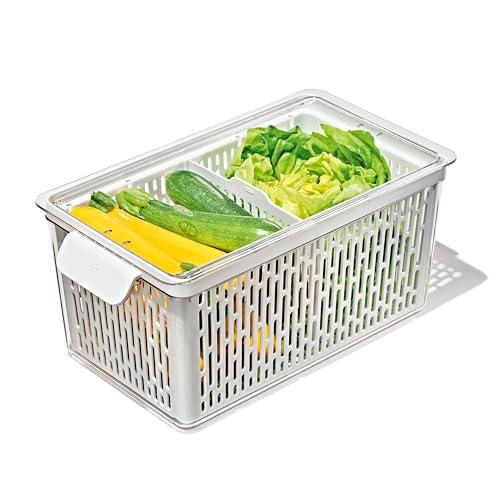
Help Keep Produce Fresh Longer: Fridge-friendly storage helps keep produce fresh longer with an inner basket keeps produce elevated and promotes optimal air circulation to keep things fresh
Refrigeration Tips
Refrigeration significantly slows down the wilting process. Store lettuce in the crisper drawer of your refrigerator, which maintains a balanced humidity level. Keep the temperature set between 32°F and 40°F.
- Ensure the lettuce stays dry; moisture promotes spoilage.
- Avoid storing it near fruits, especially apples and bananas, since they emit ethylene gas that speeds up decay.
Airtight Containers vs. Bags
Choosing the right storage option can affect freshness. Both airtight containers and plastic bags offer benefits.
- Airtight containers keep humidity levels consistent and protect the lettuce from crushing. Place a paper towel inside to absorb moisture.
- Plastic bags with ventilation holes allow for airflow, reducing condensation. Store whole heads in these bags, but remember to remove any excess air.
Select the method that best fits your storage needs.
Prepping Lettuce for Longevity
Properly preparing your lettuce before storage enhances its freshness and extends its shelf life. Follow these steps to keep your greens crisp all week.
Recommended Products

【8 Pack Fruit Storage Set】 Fruit storage containers for fridge includes include 8 pack of large size 3.3QT (3.15L) * 2 + medium size 1.8QT(1.7L) * 2 +small size 0.85QT(0.8L) * 2+ mini size 0.4QT(0.38L) * 2. Various capacities perfect for most fruit, vegetable, lettuce, berry, cereal, meat, produce and other food storage
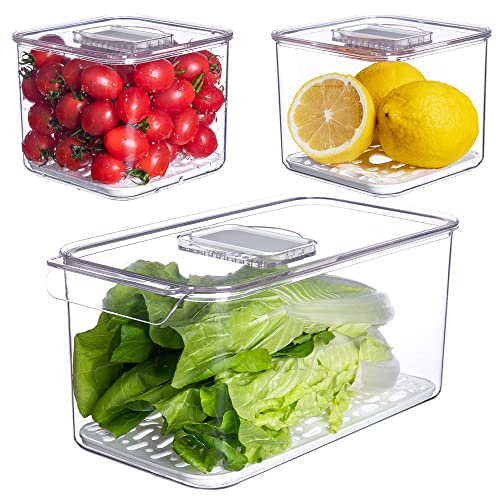
【Keep Fruits & Vegetables Fresh】These storage containers come with lids featuring adjustable vents that regulate airflow and humidity, helping to keep fruits and vegetables fresh in the refrigerator for up to 1–2 weeks.

Space-Saving Wall-Mount Design: This wall-mounted paper towel holder is an ideal solution for saving space in your kitchen or bathroom. By mounting it on the wall, you free up valuable countertop space, making your area look more organized and neat. Perfect for any home, it is an excellent kitchen paper towel holder or bathroom paper towel holder.
Washing and Drying
- Wash only before use. Rinsing lettuce too early adds moisture, which leads to wilting. Wait until you’re ready to eat.
- Use cold water. Rinse lettuce under cold running water. This removes dirt and any pesticide residue without warming the leaves.
- Dry thoroughly. Use a salad spinner or clean kitchen towels to remove excess water. Less moisture means less spoilage, keeping your lettuce fresh longer.
- Keep leaves whole. Whole leaves tend to last longer than cut ones, as exposed edges create a higher surface area for moisture loss and spoilage.
- Cut only when needed. If you plan to use lettuce throughout the week, avoid cutting it until just before serving. This prevents premature browning and wilting.
- Store cut lettuce properly. If you need to cut your lettuce, store the pieces in an airtight container with a paper towel to absorb moisture. This method helps maintain freshness.
Using Lettuce in Meals
Lettuce adds freshness and crunch to many dishes. You can easily incorporate it into your meals while keeping it fresh throughout the week.
Recommended Products

Stainless steel mezzaluna blade: Double curved rocker blade is crafted from high-quality stainless steel for precise, efficient chopping; resists rust and corrosion with regular use; sharp edge maintains performance across repeated sessions without dulling quickly
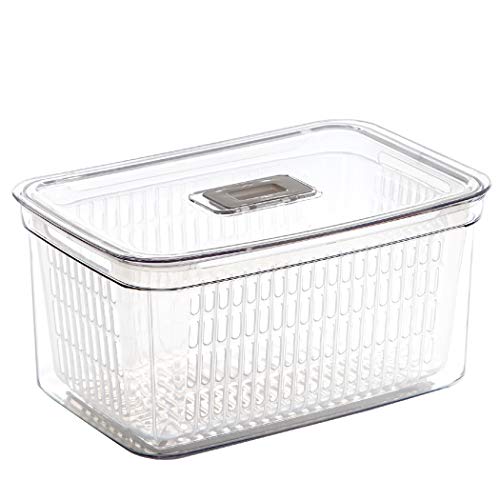
Clever Design: The BINO produce saver is made of a durable material that is easy to clean and has a tight-fitting lid to keep out moisture and air. It has a removable colander-style basket that helps drain any excess water.

KEEP PRODUCE FRESHER LONGER: Rubbermaid FreshWorks Produce Saver uses FreshVent technology to regulate airflow, so your produce stays fresher longer.
Recipe Ideas for Fresh Lettuce
- Salads: Combine various types of lettuce with chopped vegetables, nuts, and seeds. Toss with a vinaigrette for a light meal.
- Wraps: Use large lettuce leaves as a low-carb alternative to tortillas. Fill with grilled chicken, veggies, and your favorite sauce.
- Soups: Add chopped lettuce to soups for extra texture and nutrition. It works well in vegetable soups or Asian-inspired broths.
- Sandwiches: Layer lettuce on sandwiches or burgers for added crunch. Use sturdy varieties like romaine for the best results.
- Smoothies: Blend fresh lettuce with fruits for a nutrient-packed smoothie. This adds fiber without altering the flavor significantly.
- Stir-fry: Toss leftover lettuce into stir-fries. It wilts quickly but adds nutrients to the dish.
- Omelettes: Fold chopped lettuce into omelettes or scrambled eggs. This enhances your breakfast with greens.
- Juice: Blend leftover lettuce with fruits and vegetables to create refreshing juice. This minimizes waste and boosts your nutrient intake.
- Vegetable Stock: Use wilted leaves to make vegetable stock. Simply simmer with other leftover vegetables for a flavorful base.
- Iceberg Boats: Hollow out iceberg lettuce and fill it with tuna salad or chicken salad for tasty boats.
Using these methods ensures you get the most out of your fresh lettuce while keeping it crisp and appealing throughout the week.
Conclusion
Keeping your lettuce fresh all week is totally achievable with just a few simple steps. By understanding the type of lettuce you have and how to store it properly, you can enjoy crisp greens without the worry of waste.
Remember to keep it dry and store it at the right temperature. Whether you choose airtight containers or breathable bags, find what works best for you.
And don’t forget to incorporate that fresh lettuce into your meals throughout the week. With a little creativity, you can add flavor and nutrition to your dishes while making the most of your greens. Enjoy your fresh lettuce and all the delicious meals you can create!
Frequently Asked Questions
How can I keep my lettuce fresh for a week?
To keep lettuce fresh for a week, store it in the crisper drawer of your refrigerator at a temperature between 32°F and 40°F. Ensure the lettuce is dry, as excess moisture can lead to wilting. Avoid placing it near ethylene-producing fruits, and consider using airtight containers or plastic bags with ventilation for optimal humidity and airflow.
What are the best storage methods for different types of lettuce?
Store romaine and iceberg lettuce in airtight containers or plastic bags with ventilation holes to maintain humidity and prevent spoilage. Delicate varieties like butterhead and leaf lettuce benefit from careful handling and should also be stored using methods that allow airflow while preventing excess moisture.
Should I wash lettuce before storing it?
No, it’s best to avoid washing lettuce before storage. Washing adds moisture, which can cause wilting. Wash it just before use instead, using cold water to remove dirt and pesticides, and thoroughly dry it with a salad spinner or towel to keep it crisp.
How should I prepare lettuce before refrigerating it?
Before refrigerating lettuce, make sure it’s dry and whole as much as possible. If you must cut it, store the pieces in an airtight container with a paper towel to absorb moisture. This helps preserve the lettuce’s freshness for a longer time.
What recipe ideas can I use fresh lettuce in?
Fresh lettuce can be used in a variety of dishes including salads, wraps, soups, sandwiches, smoothies, stir-fries, and omelettes. Incorporating lettuce into meals adds freshness and crunch while ensuring you make the most of your greens, reducing waste.
