

Have you ever harvested a fresh batch of lettuce only to watch it wilt and lose its crispness within days? You’re not alone. Many gardeners face the challenge of keeping their greens fresh after picking, and it can be frustrating to see all that hard work go to waste.
Key Takeaways
- Understanding Freshness: Freshness is crucial for retaining the nutrients, flavor, and texture of lettuce, enhancing meals and nutrient intake.
- Key Factors: Temperature, humidity, airflow, and gentle handling are essential factors affecting lettuce freshness post-harvest.
- Optimal Harvesting Techniques: Harvest lettuce in the morning using sharp tools, and cool it immediately post-harvest to maximize crispness.
- Proper Storage Practices: Store harvested lettuce in cool, high-humidity conditions with good airflow, using perforated bags or containers with damp paper towels.
- Post-Harvest Care: Clean lettuce gently, avoid ethylene-producing fruits, check regularly for spoilage, and consider blanching for longer storage.
- Shelf Life Management: Consume harvested lettuce within 7 to 10 days for optimal freshness, and inspect regularly to maintain quality.
Understanding Lettuce Freshness
Keeping harvested lettuce fresh plays a vital role in maintaining its quality and flavor. You’ll enjoy crisp, nutritious greens if you understand the factors that affect freshness.
Importance of Freshness
Freshness ensures that lettuce retains its nutrients, flavor, and texture. Wilted or browning leaves not only reduce the appeal but also indicate nutrient loss. Consuming fresh lettuce enhances your meals, providing the crispness and sweetness you expect. Fresh ingredients contribute to healthier meals and enjoyable dining experiences.
Factors Affecting Freshness
Several factors influence the freshness of harvested lettuce:
- Temperature: Lettuce thrives in cool conditions. Keeping it at 32°F to 50°F slows down respiration and wilting.
- Humidity: High humidity levels help prevent moisture loss. Aim for a humidity level between 90% and 95% to maintain crispness.
- Airflow: Proper airflow around lettuce prevents moisture buildup. Store lettuce in breathable bags or containers to minimize condensation.
- Handling: Gentle handling during harvest and transportation decreases damage. Bruised or broken leaves wilt faster.
- Storage Time: Fresh lettuce has a limited shelf life. Consume within 7 to 10 days for optimal freshness.
Understanding these aspects helps you maintain the quality of your lettuce from harvest to serving.
Best Practices for Harvesting Lettuce
Harvesting lettuce correctly maximizes freshness and maintains quality. Focus on timing and the right tools for a successful harvest.
Recommended Products

K115 Crop Harvest Knife, 7.25-Inch Blade, is designed for trimming lettuce, greens, and soft-stemmed vegetables.
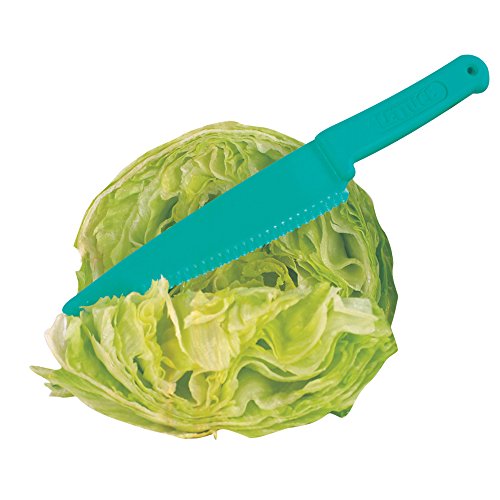
DURABLE DESIGN: Constructed from long-lasting and heat-resistant polystyrene plastic.
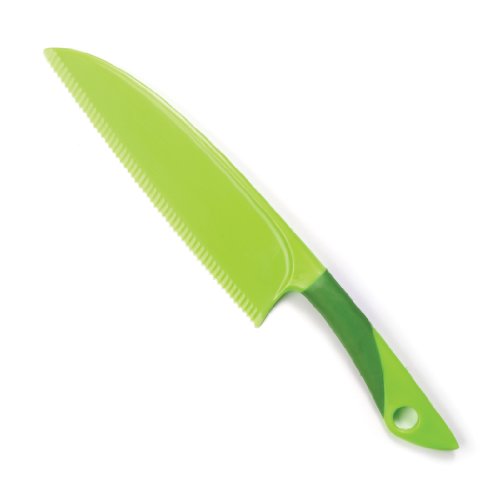
Non-slip, soft grip handle
Timing the Harvest
Timing is crucial for harvesting lettuce. Aim to pick lettuce in the early morning, just after the dew has dried. Cooler temperatures help preserve crispness and nutrient content. Monitor the size; most varieties are ready when their leaves reach a size of 6 to 8 inches. Avoid waiting too long, as overripe lettuce becomes bitter.
Tools and Techniques
Using the right tools and techniques enhances your harvesting process.
- Sharp Knife or Scissors: Use a sharp knife or scissors to cut lettuce at the base. This reduces stress on the plant and prevents bruising.
- Clean Hands: Always wash your hands before handling lettuce. Clean hands prevent contaminants from affecting freshness.
- Gentle Handling: Handle each head of lettuce gently to avoid bruising the leaves. Place harvested lettuce in a breathable container, like a basket or a crate.
- Immediate Cooling: After harvesting, cool the lettuce quickly. Use ice water or a cooler to maintain crispness and extend shelf life.
By following these best practices, harvested lettuce stays fresh longer, enhancing your meals.
Storing Harvested Lettuce
Storing harvested lettuce properly keeps it fresh and crisp. Follow these guidelines to maximize its shelf life.
Recommended Products

𝐊𝐞𝐞𝐩𝐬 𝐕𝐞𝐠𝐞𝐭𝐚𝐛𝐥𝐞𝐬 𝐅𝐫𝐞𝐬𝐡 𝐋𝐨𝐧𝐠𝐞𝐫: The Home-X salad keeper for refrigerator is designed to preserve the freshness of lettuce, broccoli, cauliflower, and more. It creates an ideal cold, moist storage environment to help your vegetables stay crisp and fresh for longer periods.
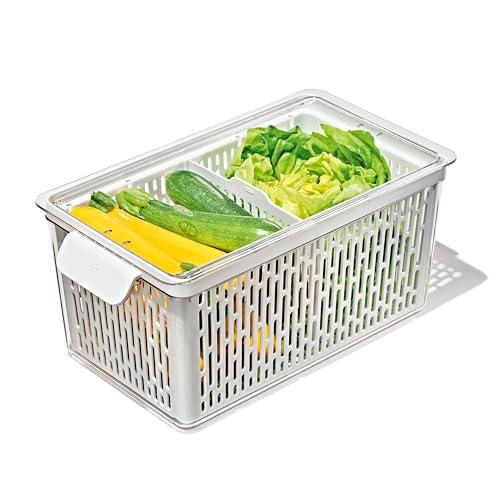
Help Keep Produce Fresh Longer: Fridge-friendly storage helps keep produce fresh longer with an inner basket keeps produce elevated and promotes optimal air circulation to keep things fresh
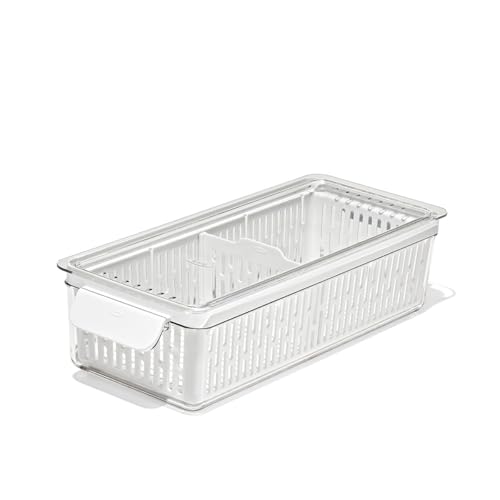
Help Keep Produce Fresh Longer: Fridge-friendly storage helps keep produce fresh longer with an inner basket keeps produce elevated and promotes optimal air circulation to keep things fresh
Ideal Storage Conditions
Store your lettuce in a cool environment. Aim for temperatures between 32°F and 36°F. Humidity levels should be high, around 95%, to maintain moisture without causing rot. Airflow’s essential; ensure ventilation to prevent wilting. Avoid placing lettuce near ethylene-producing fruits, such as apples and bananas, which can accelerate spoilage.
Containers and Packaging Options
Use perforated plastic bags for short-term storage. They allow airflow while trapping moisture, keeping lettuce crisp. Alternatively, store lettuce in a container with a damp paper towel. This method helps retain moisture without excess water. If you plan to store it for longer periods, consider using airtight containers, ensuring the lettuce is dry to prevent sogginess. Whether you’re using bags or containers, keep your lettuce in the crisper drawer of the refrigerator for optimal freshness.
Maintaining Freshness Post-Harvest
After your lettuce harvest, maintaining its freshness is key to preserving its flavor and nutrients. Proper care begins immediately after harvesting to ensure maximum crispness.
Recommended Products

Keep your produce fresh for longer: The PrepSolutions Lettuce Keeper keeps your produce fresh with an adjustable air vent and water reservoir, creating the ideal environment for fresh fruits and vegetables. Item measures 12.5" W x 7.25" D x 5.25" H and weighs 1.14 lbs.

Freshness and Crispness: This vegetable and lettuce container maintains the natural humidity of your produce, keeping them fresh and crisp for longer. It's an excellent way to ensure that your vegetables don't go to waste and stay flavorful.

Use for OXO GreenSaver Produce Keepers and OXO GreenSaver Crisper Inserts, and also Compatible with Bluapple Produce Freshness Saver Balls and other Produce Saver
Cleaning and Preparation
Clean your harvested lettuce gently. Rinse the leaves under cool running water to remove dirt and debris. Avoid using soap, as it may leave harmful residues. After rinsing, shake off excess water or use a salad spinner to remove moisture. Handle the leaves carefully to prevent bruising, which can lead to quicker spoilage. Lay them flat on a clean kitchen towel or paper towels to dry completely before storage.
Methods to Extend Shelf Life
Utilize a few effective methods to keep your lettuce fresh longer. Store it in the crisper drawer of your refrigerator, as this area maintains optimal humidity.
- Use Damp Paper Towels: Wrap the lettuce in a damp paper towel before placing it in a perforated plastic bag. The moisture from the towel helps retain humidity without causing rot.
- Avoid Ethylene Producers: Keep your lettuce away from apples, bananas, and tomatoes. These fruits emit ethylene gas, which speeds up spoilage.
- Check Regularly: Inspect your stored lettuce every few days. Remove any wilted or yellowing leaves to prevent them from affecting the others.
For longer storage, consider freezing your lettuce after blanching. Blanching briefly in boiling water stops enzyme activity that causes spoilage. After blanching, cool quickly in ice water, drain, and pack in airtight bags or containers.
By implementing these steps, you can significantly extend the shelf life of your harvested lettuce, ensuring it remains fresh and ready for your meals.
Conclusion
Keeping your harvested lettuce fresh doesn’t have to be a challenge. By following simple steps like proper harvesting techniques and ideal storage methods, you can enjoy crisp and nutritious greens for longer. Remember to keep an eye on temperature and humidity to create the best environment for your lettuce.
With a little care and attention, your hard work in the garden will pay off with delicious salads and meals. So go ahead and savor the fruits of your labor knowing that your lettuce is as fresh as can be. Happy gardening and enjoy those tasty greens!
Frequently Asked Questions
How can I keep harvested lettuce fresh longer?
To keep harvested lettuce fresh, store it in a cool place with temperatures between 32°F and 36°F and high humidity (around 95%). Using clean, perforated plastic bags with a damp paper towel can help maintain moisture. Avoid ethylene-producing fruits nearby and regularly check for any spoiled leaves.
When is the best time to harvest lettuce?
The best time to harvest lettuce is early in the morning after the dew has dried. This timing helps preserve the crispness and nutrient content of the greens, making them more flavorful and appealing.
What tools should I use for harvesting lettuce?
Using sharp tools like a knife or scissors is recommended for harvesting lettuce. This ensures a clean cut at the base and minimizes damage to the leaves, helping maintain their freshness and quality.
How should I clean freshly harvested lettuce?
Gently rinse freshly harvested lettuce under cool water to remove dirt. After rinsing, dry the leaves thoroughly to prevent bruising and maintain crispness. Proper handling is crucial to extending the freshness of the greens.
What is the ideal storage method for lettuce?
The ideal storage method for lettuce is to keep it in the refrigerator’s crisper drawer. Use perforated plastic bags or containers with a damp paper towel for short-term storage, while ensuring the lettuce is dry for longer-term storage in airtight containers.
