

Have you ever opened your fridge only to find your fresh cut lettuce looking sad and wilted? It’s a common frustration, especially when you’re trying to eat healthy. Nothing ruins a crisp salad faster than limp greens.
Key Takeaways
- Store Immediately: Refrigerate fresh cut lettuce right after cutting to maintain its crispness and prevent wilting.
- Optimal Temperature: Keep lettuce in the coldest part of the fridge, ideally between 32°F and 36°F, to slow down spoilage.
- Use Airtight Containers: Protect lettuce from air exposure and moisture by storing it in airtight containers with paper towels between layers to absorb excess moisture.
- Rehydrate with Water: Rinse lettuce in cold water and soak in ice water for about 10 minutes to restore crispness before storing.
- Incorporate Ice Packs: Use ice packs in storage to maintain a low temperature without direct contact to keep lettuce fresh longer.
- Monitor Humidity: Aim for lower humidity levels by regularly checking and replacing paper towels in airtight containers to keep lettuce fresh.
Understanding Fresh Cut Lettuce
Fresh cut lettuce is a popular choice for salads and wraps, offering both nutrition and flavor. Understanding its characteristics helps you keep it crisp and fresh for longer.
Nutritional Benefits of Lettuce
Lettuce provides essential vitamins and minerals. It’s rich in vitamins A, C, and K, which support eye health, boost the immune system, and aid in blood clotting. Lettuce also contains fiber, which promotes digestive health. Incorporating various types like romaine, butterhead, or leaf adds diverse nutrients.
Common Causes of Wilting
Wilting occurs due to several factors. Improper storage, such as keeping lettuce in a warm environment or using plastic bags without ventilation, moisture loss, and nutrient depletion all contribute to wilting. Damaged leaves also dry out faster, leading to limp greens. Recognizing these causes helps you take steps to prevent wilting and maintain freshness.
Best Practices for Storing Fresh Cut Lettuce
Keeping fresh cut lettuce crisp requires specific storage methods. Following these best practices ensures your greens remain enjoyable and nutritious.
Recommended Products

Keep your produce fresh for longer: The PrepSolutions Lettuce Keeper keeps your produce fresh with an adjustable air vent and water reservoir, creating the ideal environment for fresh fruits and vegetables. Item measures 12.5" W x 7.25" D x 5.25" H and weighs 1.14 lbs.

Better for different produce : You will get 4 sized fridge organizers and 4 matched colanders that could be used in the container or separate. Size from 0.32 L to 2.7 L [ 0.34 - 2.85 qt ]. Suited for berries, fruits, vegetables, meats

🔔Innovative Design🔔: Our Avocado Keeper features an upgraded design with numerous protrusions along the edge to increase friction, making it easier to open. This space-saving container not only keeps your food fresh but also organizes your fridge efficiently. Its apple-shaped design perfectly fits halved fruits and vegetables for easy identification.
Refrigeration Techniques
Refrigerate fresh cut lettuce immediately after cutting. Store it in the coldest part of your fridge, usually near the back. Maintain a temperature between 32°F and 36°F for optimal freshness. Avoid placing it in the vegetable drawer, as humidity can promote spoilage. Check your fridge’s temperature settings regularly, aiming for consistent cooling.
Use of Airtight Containers
Use airtight containers to keep lettuce fresh. Choose containers with a tight seal that minimize air exposure. When packing, layer paper towels between the leaves to absorb excess moisture. This helps prevent wilting. Fill the container only halfway to allow for some air circulation while avoiding crush. Always store the container upright to maintain its structure and moisture control.
Methods to Prevent Wilting
Keeping cut lettuce fresh involves a few effective techniques. These methods help extend its shelf life and maintain crispness.
Recommended Products

[CUT TO FIT ANY COOLER] Rigid ice bricks leave gaps and waste space. Snip along the sealed channels of each 16.5" x 11.2" sheet — a 2-cell strip for a bento box, a full 24-cell layer for a wheeled ice chest — cold exactly where you need it

Keep Food & Drinks Cold: Make meals last for longer with our quick-freezing ice packs that keep food chilled for hours. Designed by the #1 Bento Box Brand*, each set features 4 ice packs in either bright colors of green, blue, purple, or classic gray.

EASY 3-STEP ACTIVATION: Simply soak the ice pack in water for 3–5 minutes, wipe it dry, then freeze for 3 hours or overnight. The gel activates quickly—no dry ice, no messy cubes. Reusable hundreds of times.
Water Remedies
Using water can significantly enhance the freshness of cut lettuce. Rinse your lettuce leaves under cold water to remove excess dirt and debris. After washing, shake off the excess water and place the leaves in a bowl filled with ice water for about 10 minutes. This bath rehydrates the leaves, restoring their crispness. Drain the water thoroughly and pat the leaves dry with a clean towel before storing them.
Adding Ice Packs
Incorporating ice packs into your storage routine keeps cut lettuce cool and fresh. Place a few ice packs in your airtight container or bag alongside the lettuce. This helps maintain a low temperature, which is crucial for preventing wilting. Ensure the ice packs don’t come in direct contact with the lettuce to avoid sogginess. Replace or refreeze the packs as needed to keep the temperature steady.
Tips for Maintaining Freshness
Maintaining the freshness of cut lettuce requires attention to temperature and humidity. Follow these guidelines for optimal results.
Recommended Products

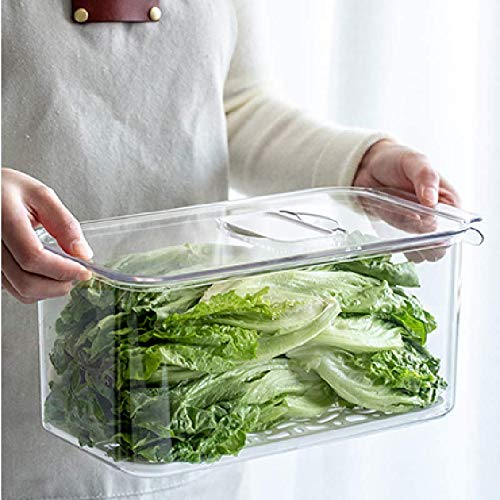
Note: NOT dishwasher safe! NOT for microwave oven! Working celsius temperature -30℃~60℃,suitable for refrigerator and freezer.
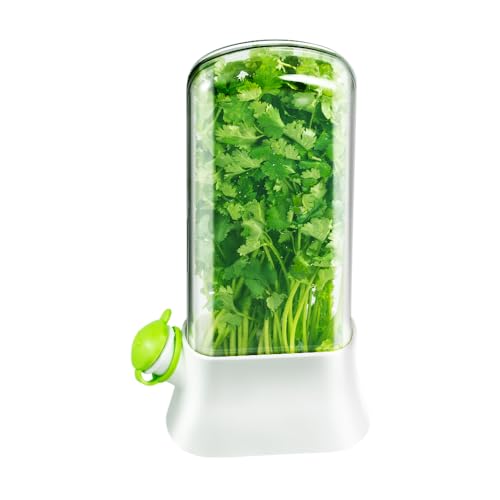
✅ Keeps Herbs Fresh Up to 3X Longer – BPA-free herb keeper extends the shelf life of your fresh herbs, preventing wilting and yellowing while keeping unwanted fridge odors out of your salads. Fits perfectly in most refrigerator doors.
Optimal Temperature Settings
Store your cut lettuce in the coldest part of the fridge, ideally between 32°F and 36°F. This temperature range slows down deterioration and keeps greens crisp. Avoid placing lettuce in the door, where temperatures fluctuate. Use a thermometer to monitor the temperature accurately. If your fridge has compartments, select one dedicated to vegetables for even more stability.
Monitoring Humidity Levels
Humidity plays a critical role in preserving cut lettuce. Aim for lower humidity to avoid moisture accumulation, which leads to wilting. Keep your lettuce in airtight containers to reduce moisture exposure. You can also place a paper towel inside the container to absorb excess humidity. Check the towels regularly and replace them if they become damp. This simple step helps maintain optimal conditions for your lettuce, keeping it fresh longer.
Conclusion
Keeping your fresh cut lettuce from wilting is all about the right storage techniques and a little extra care. By following the tips shared in this post you can enjoy crisp and vibrant greens for your salads and wraps.
Remember to store your lettuce in the coldest part of your fridge and use airtight containers to lock in freshness. With these simple practices you’ll not only enhance your meals but also make sure you’re getting all those essential nutrients.
So next time you cut up some lettuce don’t forget these strategies to keep it fresh and delicious. Happy eating!
Frequently Asked Questions
What causes fresh cut lettuce to wilt in the fridge?
Lettuce wilts due to improper storage, moisture loss, or damaged leaves. High humidity and fluctuating temperatures can also contribute to wilting. Keeping the lettuce in warm areas or the fridge door can exacerbate these issues, leading to a less enjoyable salad experience.
How should I store cut lettuce to keep it fresh?
Store cut lettuce in the coldest part of the fridge, ideally between 32°F and 36°F, avoiding the vegetable drawer. Use airtight containers, layering paper towels to absorb moisture, and only filling the container halfway to allow for air circulation.
Can I rehydrate wilted lettuce?
Yes, you can rehydrate wilted lettuce by rinsing the leaves under cold water and then placing them in an ice water bath for about 10 minutes. This method helps restore crispness. Afterward, drain and dry the lettuce before proper storage.
What are effective methods for prolonging the shelf life of cut lettuce?
Incorporate ice packs in storage containers to maintain low temperatures and prevent wilting. Ensure the ice packs do not directly contact the lettuce to avoid sogginess. Regularly check and replace damp paper towels to keep humidity levels low.
How can I monitor temperature and humidity for optimal lettuce freshness?
Use a thermometer to ensure storage temperatures are consistently cold, keeping cut lettuce away from the fridge door. Lower humidity is essential, so utilize airtight containers and absorbent paper towels, regularly checking for moisture accumulation.
