

Ever bought a head of lettuce only to find it wilted and sad just a few days later? You’re not alone. Many of us struggle with keeping our greens fresh, leading to wasted food and money. But what if you could extend that crisp, refreshing crunch for days?
Key Takeaways
- Moisture Management: Wrap lettuce in paper towels to absorb excess moisture and store in a ventilated container to prevent humidity buildup.
- Temperature Control: Store lettuce in the crisper drawer at temperatures between 32°F and 36°F for optimal freshness; avoid freezing to maintain texture.
- Lettuce Selection: Choose sturdier varieties like romaine for longer shelf life while understanding that butterhead lettuce offers a tender taste but shorter freshness.
- Regular Inspection: Check your lettuce frequently for brown spots and wilted leaves, removing any spoiled parts to prevent further deterioration.
- Storage Techniques: Keep unwashed lettuce in breathable containers; wash just before use to reduce moisture that can lead to spoilage.
- Avoid Common Mistakes: Storing lettuce wet, using plastic wrap, or neglecting the crisper drawer can significantly reduce its freshness; always inspect for spoilage regularly.
Understanding Lettuce Freshness
Lettuce freshness hinges on several factors, including moisture, temperature, and storage conditions. Keeping these elements in check enhances the lifespan of your lettuce.
Moisture Management
Moisture plays a critical role in maintaining crispness. Too much moisture can lead to rot, while too little causes wilting.
- Use Paper Towels: Wrap lettuce in paper towels to absorb excess moisture. This keeps it dry.
- Store in a Ventilated Container: Choose containers with airflow holes. This prevents humidity buildup, extending freshness.
Temperature Control
Temperature affects how long lettuce stays fresh. Ideal storage occurs at temperatures between 32°F and 36°F.
- Refrigerator Drawer: Utilize the crisper drawer of your fridge. This space maintains optimal humidity levels for greens.
- Avoid Freezing: Never freeze lettuce. Freezing damages cell structure, resulting in a mushy texture once thawed.
Selection of Lettuce
Choosing the right type of lettuce can impact its freshness and longevity. Consider these options:
- Romaine Lettuce: Lasts longer due to its sturdiness and thick leaves.
- Butterhead Lettuce: Has a shorter shelf life but offers a tender texture.
Inspecting for Freshness
Regular checks help identify any spoilage, ensuring you consume fresh greens.
- Look for Brown Spots: Remove brown or slimy leaves immediately. This prevents spoilage from spreading to healthy parts.
- Check for Crispness: Fresh lettuce feels crisp and firm. Wilted leaves indicate age and should be consumed quickly.
Additional Storage Tips
Implement these handy storage techniques for better results:
- Keep Unwashed: Wash lettuce only before use. Excess moisture during storage encourages spoilage.
- Use Airtight Bags: Seal greens in breathable plastic bags. This keeps them fresher without trapping too much moisture.
By managing these aspects of lettuce freshness, you’ll reduce waste and enjoy crisp, vibrant greens for longer periods.
Importance Of Freshness
Keeping lettuce fresh enhances both its nutritional value and culinary versatility. Fresh lettuce not only tastes better but also provides essential vitamins and minerals, making it a great addition to your diet.
Nutritional Benefits
Fresh lettuce is low in calories and rich in nutrients. It’s a source of vitamins A, K, and C, along with folate and fiber. Consuming fresh lettuce can support hydration, thanks to its high water content, promoting overall health. For example, one cup of romaine lettuce has about 15 calories and provides more than 100% of the daily recommended intake for vitamin A. Prioritizing freshness means maximizing these health benefits.
Culinary Uses
Fresh lettuce enhances a variety of dishes. You can use crisp lettuce leaves in salads, wraps, or sandwiches. For example, shred it and toss it into a vibrant salad with tomatoes, cucumbers, and your favorite dressing. Alternatively, use larger leaves as a wrap for grilled chicken or vegan fillings. Fresh lettuce adds texture and flavor, making meals more enjoyable. By maintaining freshness, you ensure that your culinary creations remain appetizing and nutritious.
Best Storage Methods
Storing lettuce properly preserves its freshness and crunch. Follow these methods for optimal results.
Recommended Products

Keep your produce fresh for longer: The PrepSolutions Lettuce Keeper keeps your produce fresh with an adjustable air vent and water reservoir, creating the ideal environment for fresh fruits and vegetables. Item measures 12.5" W x 7.25" D x 5.25" H and weighs 1.14 lbs.

𝐊𝐞𝐞𝐩𝐬 𝐕𝐞𝐠𝐞𝐭𝐚𝐛𝐥𝐞𝐬 𝐅𝐫𝐞𝐬𝐡 𝐋𝐨𝐧𝐠𝐞𝐫: The Home-X salad keeper for refrigerator is designed to preserve the freshness of lettuce, broccoli, cauliflower, and more. It creates an ideal cold, moist storage environment to help your vegetables stay crisp and fresh for longer periods.

Freshness and Crispness: This vegetable and lettuce container maintains the natural humidity of your produce, keeping them fresh and crisp for longer. It's an excellent way to ensure that your vegetables don't go to waste and stay flavorful.
Refrigeration Techniques
Store your lettuce in the refrigerator immediately after purchase. Place whole heads in a perforated plastic bag or a loosely covered container to maintain airflow. This approach helps prevent excess moisture accumulation, which can lead to rot. If you wash your lettuce before storage, dry it thoroughly and use a salad spinner to evade sogginess, then store it in a dry, airtight container. Keep the crisper drawer dedicated to your greens for the best protection from other strong-smelling foods.
Ideal Temperature and Humidity
Maintain a temperature between 32°F and 36°F for your lettuce. Refrigerators typically offer a good range for freshness, but a thermometer can help confirm the precise conditions. Humidity levels also play a critical role; aim for higher humidity to prevent wilting while avoiding water accumulation. A damp paper towel tucked inside the storage bag can help regulate moisture. This technique balances humidity and minimizes spoilage, so you enjoy crisp lettuce for days.
Tips For Extending Freshness
Maintaining the freshness of your lettuce requires a few simple strategies. Here are effective tips to keep your greens crisp and vibrant for longer.
Recommended Products
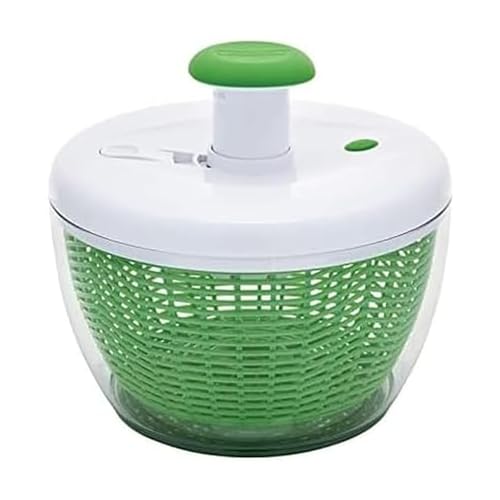
HEALTHY MADE EASY: Our Pro Pump Salad Spinner makes it so easy to prepare nutritious foods every night of the week. This device helps you to clean and serve salad greens and other produce, including fruits and even berries, in seconds!

One-Touch OXO Salad Spinner: Did you know that OXO invented the one-touch salad spinner? Its one-handed pump gives you maximum drying of lettuce with minimum effort

COMPACT SALAD SPINNER, BIG PERFORMANCE — Small salad spinner packs full-size drying power in a space-saving design. One-hand pump spins lettuce, herbs & greens dry in seconds. Best rated by thousands. Perfect for apartments, couples & small kitchens.
Prepping Lettuce Properly
Prepping lettuce correctly makes a significant difference in its longevity.
- Washing: If you wash lettuce, do it right before use. Excess moisture leads to quick spoilage.
- Drying: Use a salad spinner to remove water effectively. This keeps leaves crisp and prevents sogginess.
- Trimming: Remove any damaged or browning leaves before storing. This minimizes the risk of spoilage spreading.
- Storing: If cutting lettuce, store it in a sealed container with a damp paper towel to maintain moisture balance.
Utilizing Produce Bags
Using the right bags helps preserve your lettuce’s freshness.
- Breathable Bags: Utilize breathable produce bags for storage. These allow airflow while keeping moisture levels stable.
- Perforated Plastic Bags: If you’re using plastic bags, choose perforated ones. They help prevent excess moisture from building up.
- Avoid Tight Seals: Don’t seal bags tightly. Limiting airflow can cause your lettuce to wilt faster.
- Label Bags: Label storage bags with the date of purchase. This helps track how long your lettuce has been stored.
By following these practical tips, you can significantly extend the freshness of your lettuce and reduce waste, leaving you with crisp greens ready for your next meal.
Common Mistakes To Avoid
Avoiding common pitfalls can significantly extend the freshness of your lettuce. Here are key mistakes to watch out for:
- Storing Wet Lettuce
Storing wet lettuce leads to sogginess and quicker spoilage. Ensure lettuce is thoroughly dried after washing, and apply a salad spinner for best results. - Wrapping with Plastic Wrap
Using plastic wrap restricts airflow, trapping moisture. Instead, opt for breathable produce bags or perforated containers that allow for proper ventilation, helping to maintain crispness. - Skipping the Crisper Drawer
Neglecting the crisper drawer compromises temperature control. Always place your lettuce in the crisper, where humidity levels are optimal for freshness. - Not Inspecting Greens Regularly
Overlooking spoilage can accelerate lettuce deterioration. Check your greens every few days, removing any wilting or browning leaves immediately to prevent spreading. - Freezing Lettuce
Freezing causes texture damage, resulting in limp leaves. Stick to refrigeration for preserving lettuce’s crunch and flavor. - Storing Unsealed Bags
Keeping produce bags unsealed may lead to excess moisture accumulation. Seal bags loosely to balance humidity while allowing for airflow. - Buying Lettuce in Bulk
Purchasing too much lettuce can lead to waste. Buy only what you can consume within a week to keep your greens fresh and crisp.
By avoiding these mistakes, you can maximize your lettuce’s shelf life, ensuring your meals remain vibrant and full of flavor.
Recommended Products

ONE-TOUCH, ONE-HANDED SPINNING POWER: Effortlessly wash and dry lettuce, herbs, berries, and produce with a simple press. The easy one-touch pump delivers powerful spinning with minimal effort, while the brake button stops the basket instantly for swift, controlled drying—no cords, no electricity, just smart kitchen gadgets that work.

QUICK & CONVENIENT: Wash and spin-dry salad greens, fruits, and vegetables effortlessly with the Cuisinart 3qt Salad Spinner.

Maximum Lettuce-Drying, Minimum Effort: Use the OXO Salad Spinner's one-handed pump to thoroughly dry greens, beans, even use it as a fruit washer. The salad spinners best rated always include a superior rinse, spin, and dry like ours
Conclusion
Keeping your head of lettuce fresh longer is all about the right storage techniques and a little TLC. By managing moisture and temperature you can enjoy crisp greens that elevate your meals.
Remember to inspect your lettuce regularly and make adjustments as needed. With these simple tips you’ll not only reduce waste but also savor the full nutritional benefits of your greens.
So go ahead and enjoy that vibrant crunch in your salads and sandwiches. Fresh lettuce is just a few smart steps away!
Frequently Asked Questions
How can I keep lettuce fresh longer?
To maintain lettuce freshness, store it in the refrigerator at 32°F to 36°F. Use perforated plastic bags or loose containers to allow airflow, and wrap lettuce in paper towels to absorb excess moisture. Avoid washing it before storage, and only do so right before use.
What storage methods are best for lettuce?
Store lettuce immediately after purchase in the crisper drawer of your fridge. Use breathable bags or containers to prevent moisture buildup, and consider placing a damp paper towel inside to regulate humidity. Ensure air circulation to enhance freshness.
Should I wash lettuce before storing it?
No, it’s best to wash lettuce right before use. Washing it before storage increases moisture, which can lead to wilting and spoilage. Dry lettuce thoroughly with a salad spinner if you choose to wash it earlier.
Which types of lettuce last the longest?
Sturdier varieties like romaine and green leaf tend to last longer than delicate kinds such as butterhead or loose-leaf. Selecting fresh, firm heads of lettuce can help extend their freshness as well.
Is it okay to freeze lettuce?
No, freezing lettuce is not recommended. It damages the texture and can make it soggy when thawed. For optimal freshness, store it in the refrigerator and consume it within a few days.
How often should I check my lettuce for spoilage?
Inspect your lettuce at least every few days. Remove any brown or wilted leaves promptly to prevent the spread of spoilage. Regular checks ensure you enjoy fresh and crisp greens.
What are common mistakes when storing lettuce?
Common mistakes include storing wet lettuce, using tightly sealed bags, neglecting the crisper drawer, and not inspecting greens for spoilage. Avoid freezing lettuce and utilizing plastic wrap that restricts airflow to maintain freshness.
