

Ever wondered why your carrot harvest isn’t as bountiful as you’d like? Picture this: eagerly planting your garden, only to be disappointed by small, misshapen carrots. What if you could transform your garden into a carrot paradise? In this article, you’ll uncover simple yet effective strategies to boost your carrot yield and savor the satisfaction of a thriving harvest. Ready to unlock the secrets to growing plump, vibrant carrots in your own backyard? Let’s dive in and watch your garden flourish with an abundance of these nutritious delights.
Selecting the Right Carrot Varieties
When it comes to ** selecting the right carrot varieties**, it’s essential to consider various factors to ensure a successful harvest. Here’s what you need to keep in mind:
- Soil Type: Choose carrot varieties that are suitable for the soil conditions in your garden. Some carrots thrive in sandy soil, while others prefer loamy or clay soil.
- Climate: Select carrot varieties that are well-suited to the climate in your region. Certain varieties are more tolerant of heat, while others are best for cooler temperatures.
- Days to Maturity: Pay attention to the days to maturity of different carrot varieties. Some varieties mature quicker than others, allowing you to stagger your plantings for a continuous harvest.
- Size and Shape: Consider what size and shape of carrots you prefer. Carrot varieties come in various shapes and sizes, from short and stout to long and slender.
Choosing the right carrot varieties tailored to your garden’s specific conditions is key to maximizing your carrot yield. Whether you’re a beginner or experienced gardener, selecting the right varieties can make a significant difference in the success of your carrot harvest.
Recommended Products

HEIRLOOM BABY CARROT VARIETY - Little Finger carrots are small but mighty, producing sweet, crisp roots just 3–4 inches long that are perfect for fresh snacking or gourmet meals

Gardening Kit: Organo Republic 10 Unique Carrot Seeds Variety Pack Non-GMO Heirloom Seeds for LESS THAN $1.50 PER SEED VARIETY PACK with 7,550+ seeds including: Carrot Imperator 58, Carrot Little Fingers, Carrot Parisian, Carrot Purple, Carrot Red, Carrot White, Carrot Yellow, Carrot Royal Chantenay, Carrot Scarlet Nantes, Carrot Tendersweet.

Beautiful - Full color packet of Kuroda Carrot Seed (Daucus var. 'Kuroda'). Deep orange Asian carrot, smooth with a stubby wedge shape and blunt tip. More tolerant of heat than most carrots. Excellent for juicing. Minimum of 800mg per packet (about 500 seeds).
Soil Preparation and Fertilization Techniques
When it comes to increasing your carrot yield, proper soil preparation and fertilization are key. Here’s how you can set the stage for a bountiful harvest:
Soil Testing:
- Before planting, test your soil to determine its pH level and nutrient content.
- Adjust the pH if needed to ensure it falls within the optimal range of 6.0 to 6.8 for carrots.
- Incorporate organic matter like compost to improve soil structure and fertility.
Fertilization:
- Choose a balanced fertilizer with equal parts of nitrogen, phosphorus, and potassium (NPK).
- Apply the fertilizer according to the recommended rates based on your soil test results.
- Avoid over-fertilizing, as this can lead to excessive foliage growth at the expense of root development.
- Work on soil preparation and fertilization in advance, ideally a few weeks before planting your carrots.
- This allows time for nutrients to properly integrate into the soil and creates an optimal growing environment for your carrots.
By paying close attention to your soil and providing the right nutrients at the right time, you can maximize your carrot yield and enjoy a flourishing garden.
Recommended Products

Quick, at home results for Soil pH, Nitrogen, Phosphorous and Potash Innovative and inexpensive soil test kit features an easy-to-use capsule system and patented color comparators

Kindly NOTE: This soil tester can not be applied to test pH value of any other liquid. If the soil is too dry the indicator will not move, and water it before testing.

Comprehensive Soil Analysis: Liquid soil test kits offer a comprehensive analysis of essential soil parameters, including pH, ammonia, nitrogen, phosphorus, and potassium. Having all these measurements in one kit provides a holistic understanding of the soil's fertility and health.
Proper Planting and Thinning Practices
Proper Planting and Thinning Practices
When planting carrots, sow seeds thinly to avoid overcrowding. This helps prevent competition for nutrients and allows each carrot to develop properly.
Thin seedlings, if needed, to ensure proper spacing for mature carrots. Overcrowding can lead to stunted growth and misshapen roots.
Aim to thin carrots when they reach about 2 inches in height. It’s crucial for the overall health and development of your carrot crop.
Remember, adequate spacing between plants is essential for optimal growth and yield. Proper thinning practices can result in healthier, larger carrots at harvest time.
| Fact | Data |
|---|---|
| Optimal carrot spacing | 2-4 inches apart |
| Ideal seedling height for thinning | 2 inches |
| Importance of thinning carrots | Promotes proper growth and prevents stunted roots |
Recommended Products
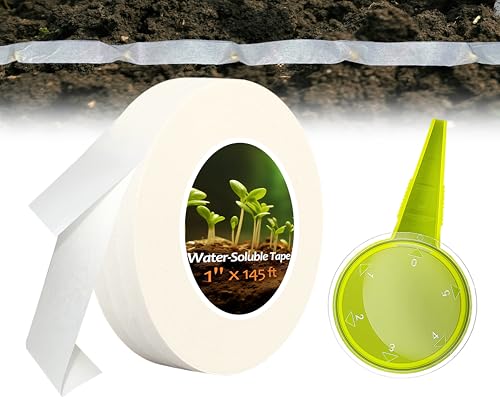
🌱 Planting Kit: Includes 1 roll of seed tape (1” x 145 ft) and a seeder tool for 5 seed sizes. This gardening tape for plants makes sowing faster, easier, and more efficient—perfect for precision planting in your garden, and holds seeds tight so they won’t fall off.

Effortless Carrot Curls: With dimensions of 6 x 2.25 x 2.5 inches, this carrot cutter and peeler is designed to make creating carrot curls a breeze. Crafted from durable ABS with a stainless steel blade, it ensures consistent and precise results every time

True Gourmet Baby Carrots: Unlike shaved-down grocery store versions, Little Finger is a true miniature carrot bred for size and taste. Each root grows to about 4 inches long, with a blunt tip and sweet, crisp flavor—ideal for roasting whole or serving with elegant greens intact.
Watering and Irrigation Methods
When it comes to watering your carrots, consistency is key. Carrots need even moisture to develop properly. Here are some tips to help you optimize your watering and irrigation practices for a bountiful harvest:
- Monitor the soil: Check the moisture level by feeling the soil. If it’s dry to the touch, it’s time to water.
- Deep watering: Ensure water reaches the carrot roots by watering deeply. Shallow watering can lead to shallow root growth.
- Mulch: Use mulch around your carrots to help retain soil moisture and reduce the frequency of watering.
- Time of day: Water in the morning to reduce evaporation and allow the foliage to dry during the day, preventing diseases.
By following these watering and irrigation practices, you’ll provide your carrots with the optimal conditions for growth and increased yield.
Pest and Disease Management
When it comes to pests and diseases that can affect your carrot crop, being proactive is key. Here are some tips to help you manage these potential threats:
- Carrot Rust Fly: Cover your carrot bed with a floating row cover to prevent these pests from laying their eggs near your plants.
- Carrot Weevil: Rotate your carrot crop yearly to different sections of your garden to disrupt the life cycle of these destructive insects.
- Aster Yellows: Remove and destroy any infected plants immediately to prevent the spread of this disease.
- Leaf Blight: Ensure good air circulation by spacing your plants properly to reduce the chances of leaf blight taking hold.
Remember, early identification and action are crucial in protecting your carrot yield from these common pests and diseases.
Conclusion
You’ve now learned valuable strategies to boost your carrot yield in the garden. By implementing pest and disease management techniques like covering carrot beds, rotating crops, removing infected plants, and maintaining proper plant spacing, you can protect your crop from common threats. Remember, early detection and proactive steps are key to ensuring a bountiful harvest. Happy gardening!
Frequently Asked Questions
What preventive measures can be taken to manage pests and diseases in carrot crops?
Preventive measures for managing pests and diseases in carrot crops include covering carrot beds to deter Carrot Rust Fly, rotating crops to combat Carrot Weevil, removing infected plants to prevent Aster Yellows spread, and ensuring proper plant spacing for Leaf Blight prevention.
Why is early detection important in safeguarding carrot yields?
Early detection is crucial in safeguarding carrot yields because it allows growers to take proactive measures to address pest and disease issues promptly. By catching problems early, farmers can prevent extensive damage and mitigate the spread of pests and diseases, ultimately preserving crop productivity.
