

Have you ever wondered how to save seeds from your homegrown lettuce? If you’ve enjoyed growing your own greens, you might be facing the challenge of wanting to keep that flavor alive for next season. Harvesting seeds can seem daunting, but it’s easier than you think.
Key Takeaways
- Understanding Seed Production: Learn about the life cycle of lettuce to effectively harvest seeds from varieties like Head, Leaf, Butterhead, and Romaine.
- Optimal Growing Conditions: Ensure lettuce thrives by providing adequate sunlight, well-draining soil, cool temperatures, and consistent watering for successful seed production.
- Essential Tools for Harvesting: Use sharp scissors, paper bags or envelopes, labeling supplies, and gloves to facilitate the seed harvesting process.
- Timing is Crucial: Harvest seeds when flower heads are dry, brown, and fully mature to maximize seed quality and viability.
- Effective Harvesting Process: Follow key steps: cutting seed heads, drying them, extracting seeds, and properly labeling and storing them.
- Post-Harvest Care: Clean and dry seeds thoroughly, and store them in airtight containers in cool, dark places to maintain their viability for future planting.
Understanding Lettuce Seed Production
Lettuce produces seeds as part of its life cycle, offering a way to save your favorite varieties. Understanding the seed production process helps you successfully harvest seeds for future planting.
Types of Lettuce for Seed Harvesting
You can harvest seeds from different types of lettuce, such as:
- Head Lettuce: Includes varieties like Butterhead and Romaine. They produce a single central head, making seed collection straightforward.
- Leaf Lettuce: Varieties like Red Leaf and Green Leaf grow in loose formations. Harvesting seeds involves collecting seeds from multiple plants.
- Butterhead: Popular for its tender leaves. Seeds can be gathered from well-formed plants.
- Romaine: Known for its tall, upright growth. Seeds form in elongated flower stalks, which are easy to spot.
Choose healthy plants of the same variety for reliable seed production and genetic consistency.
Ideal Conditions for Lettuce Seeds
Optimal growing conditions contribute to successful seed production. Consider these factors:
- Sunlight: Lettuce thrives in full sun or partial shade. Aim for at least 6 hours of sunlight daily to promote robust growth.
- Soil: Use well-draining soil rich in organic matter. Aim for a pH between 6.0 and 7.0 to support healthy plants.
- Temperature: Lettuce prefers cool temperatures. Ideal daytime temperatures range from 60°F to 70°F, while nighttime temperatures should remain around 50°F.
- Watering: Keep the soil consistently moist but not soggy. Water deeper less frequently to encourage root growth.
Paying attention to these conditions helps ensure bountiful seed production and a successful harvest.
Preparing for Seed Harvesting
Preparing for seed harvesting ensures you gather quality seeds suitable for future planting. This process includes selecting the right tools and knowing when to collect the seeds.
Recommended Products

4 Popular Heirloom Lettuce Varieties: Includes Red Romaine, Bibb Butterhead, Black Seeded Simpson, and Green Ice lettuce seeds to grow crisp, tender, and colorful salad greens with balanced flavor, texture, and visual appeal.

Black Seeded Simpson is a classic heirloom loose leaf lettuce with large, tender green leaves and a mild, sweet flavor. Harvest fresh leaves for salads, sandwiches, wraps, and other homegrown meals.

YEAR-ROUND GARDEN FAVORITE – Dependable butterhead lettuce that thrives in cool or moderate weather for consistent harvests from spring through fall, even under cover in winter
Tools Needed for Harvesting
Gathering the right tools makes seed harvesting efficient. Here’s a list of essential items:
- Sharp Scissors or Pruning Shears: These cut the seed heads without damaging the plant.
- Paper Bag or Envelope: Use this to collect and store the seeds.
- Labeling Supplies: Mark the storage bags with the plant variety and date.
- Gloves: Protect your hands while handling plants.
Having these tools ready ensures a smooth harvesting process.
Timing Your Harvest
Timing affects seed quality. It’s best to harvest seeds when they are fully mature. Here’s what to look for:
- Flowering Stage: Wait until the flowers have withered but the seed heads remain intact.
- Color Change: Seeds change color, usually turning brown or tan, signaling maturity.
- Dryness: The seed heads should feel dry to the touch. Avoid harvesting on rainy days as moisture can lead to mold.
Check multiple plants for a consistent sign of maturity. This preparation increases your chances of a successful seed harvest.
The Process of Harvesting Lettuce Seeds
Harvesting seeds from lettuce involves a few simple steps that ensure you get the best seeds for future planting.
Recommended Products

Complete Lettuce Garden Starter Kit Indoor – 5 heirloom salad and green seed packets, 8 biodegradable soil disks, 8 plant markers, and 8 starter pots. Romaine, Spinach, Arugula, Kale and Buttercrunch lettuce heirloom seeds are the star of the set!

Heirloom Non-GMO Seeds: seed pod kit contains 6 kinds of lettuce seeds, they are Red&Green Leaf Lettuce, Romaine, Butter Head, Bibb Lettuce, Boston Lettuce, Buttercrunch Lettuce. Various kinds of lettuce seeds, each one is rich in nutritional value. 100% Non-GMO, open pollinated

COMPLETE VARIETY PACK: Eight popular lettuce seeds including Buttercrunch, Romaine, Iceberg, Bibb, Red Oakleaf, Prizehead, plus Kale and Spinach; Perfect lettuce seeds for planting outdoors or in hydroponic systems
Identifying Seed-Bearing Plants
Select healthy plants that have flowered and produced seed heads. Look for plants flowering for about six weeks, as they are most likely to bear seeds. Pay attention to the color of the seed heads; they typically turn brown and dry. Plants like Butterhead and Romaine are excellent choices for seed harvesting, given their robust seed production. Ensure the plants are of the same variety for reliable seed collection.
Harvesting Techniques
Use the following steps for effective seed harvesting:
- Gather Tools: Get sharp scissors or pruning shears, paper bags or envelopes, and gloves for protection.
- Cut Seed Heads: Cut the seed heads off the plants, placing them directly into your paper bags. Focus on heads that are fully dried.
- Dry Seed Heads: Allow your collected seed heads to dry in a warm, airy location. This process ensures any residual moisture evaporates, preventing mold.
- Extract Seeds: Once dry, gently rub the seed heads between your fingers to release the seeds into your bags.
- Label and Store: Label your bags clearly with the variety and collection date, then store seeds in a cool, dark place for optimal longevity.
Following these steps leads to a successful seed harvest, ensuring you enjoy fresh lettuce in the future.
Post-Harvest Seed Processing
Once you’ve harvested your lettuce seeds, processing them correctly ensures their viability for future planting. Focus on two key steps: cleaning and drying seeds, and storing them safely.
Recommended Products

Measured Convenience: at approximately 0.39 inch x 98.43 ft in size, each roll of seed tape provides the ideal dimensions for precise planting; This size ensures consistent spacing and growth for a variety of seeds without the hassle of measuring and cutting extra tape
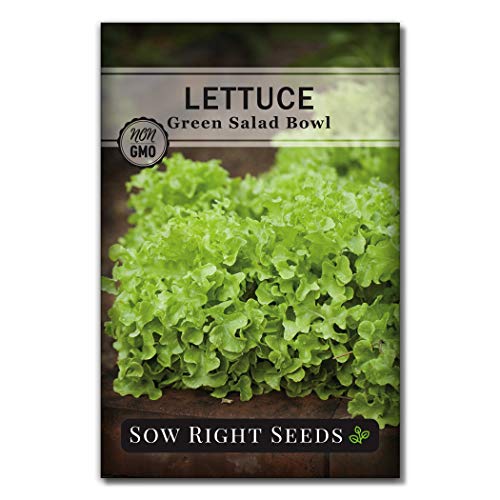
Beautiful - Large premium packet of Green Salad Bowl Lettuce (Lactuca sativa) seeds. Crisp and delicious, this frilly, green leaf lettuce can be grown outdoors or indoors in a hydroponics system. This cool-weather crop is also a more heat-tolerant variety that doesn’t get bitter and resists bolting. Minimum of 600mg per packet (about 430 seeds).

Red Romaine: Features vibrant red-tinged leaves with green bases, offering a mild, slightly sweet flavor and crisp texture ideal for salads and garnishes.
Cleaning and Drying Seeds
Cleaning seeds removes debris and contaminants that could affect their germination. Begin by placing seed heads in a paper bag for a few days to allow any excess moisture to escape. Next, gently rub the seed heads between your fingers to release the seeds.
After extracting the seeds, clean them further by sifting them through a fine mesh sieve or a screen. This process separates seeds from chaff and other plant material. Rinse the seeds under running water if desired, but ensure they dry thoroughly afterward to prevent mold. Place seeds in a single layer on a paper towel or a clean, dry surface for 2-3 days until fully dry.
Storing Lettuce Seeds Safely
Proper storage maintains seed quality. Choose containers that protect seeds from moisture, light, and pests, such as airtight glass jars or vacuum-sealed bags. Label each container with the seed variety and the date of harvest for easy identification.
Store seeds in a cool, dark place. Ideal storage conditions include temperatures around 32-41°F (0-5°C) with low humidity. A refrigerator or a dedicated seed storage unit works well. Remember to check stored seeds at least once a year for any signs of damage or deterioration. Following these tips guarantees your seeds remain viable for future planting, allowing you to enjoy homegrown lettuce season after season.
Conclusion
Harvesting seeds from your lettuce can be a rewarding experience. By following the steps outlined in this guide you can ensure a successful seed harvest that keeps your garden thriving season after season.
Remember to choose healthy plants and pay attention to the timing of your harvest. Proper cleaning and storage are key to maintaining seed viability so you can enjoy fresh lettuce year after year.
With a little patience and care you’ll be well on your way to cultivating your own lettuce seeds. Happy gardening and enjoy the fruits of your labor!
Frequently Asked Questions
What are the benefits of saving seeds from homegrown lettuce?
Saving seeds allows you to preserve the unique flavor and traits of your favorite lettuce varieties, ensuring you have them for future planting. It also saves money and promotes sustainability in your garden.
How do I identify when lettuce seeds are ready for harvest?
Lettuce seeds are ready for harvest when the seed heads turn brown, dry out, and the flowers have been blooming for about six weeks. Look for a change in color and ensure the seed heads feel dry to the touch.
What tools do I need for harvesting lettuce seeds?
Essential tools include sharp scissors or pruning shears, paper bags or envelopes for collecting seeds, labeling supplies, and gloves for protection. These tools will ensure a smooth and efficient harvesting process.
How should I store harvested lettuce seeds?
Store harvested lettuce seeds in airtight containers in a cool, dark place, ideally at temperatures between 32-41°F (0-5°C). Label containers with the seed variety and harvest date to keep track of your collection.
What types of lettuce are suitable for seed harvesting?
For seed harvesting, consider varieties like Head Lettuce, Leaf Lettuce, Butterhead, and Romaine. Choosing healthy plants of the same variety is crucial for reliable seed production and maintaining desirable traits.
How do I clean and process harvested lettuce seeds?
To clean lettuce seeds, place seed heads in a paper bag to remove moisture, gently rub to release seeds, and sift through a fine mesh sieve to separate seeds from debris. Ensure seeds are thoroughly dried before storage.
What conditions do lettuce seeds need for optimal growth?
Lettuce seeds thrive in well-draining soil with adequate sunlight, appropriate temperatures, and consistent watering. These ideal growing conditions help ensure a bountiful seed production and successful harvest.
