

Have you ever wished your garden could keep giving you fresh romaine lettuce without the hassle of replanting? You’re not alone! Many gardeners face the challenge of harvesting greens while wanting to enjoy multiple crops from the same plants.
Key Takeaways
- Romaine lettuce allows for multiple harvests when outer leaves are picked, promoting new growth from the center.
- Harvesting should be done when leaves are 6-8 inches tall, ideally in the morning for best taste and minimal stress on the plant.
- Ensure growing conditions include cool temperatures (60°F to 70°F), nutrient-rich soil, and at least 6-8 hours of sunlight daily.
- Use sharp tools and make cuts at the base of the leaves, about an inch above the stem, to encourage healing and regrowth.
- Regularly monitor for pests and diseases, and maintain soil quality and moisture to promote a healthy growing environment.
- Employ crop rotation and add organic matter to prevent nutrient depletion and enhance soil health for ongoing lettuce production.
Understanding Romaine Lettuce Growth
Romaine lettuce offers multiple harvest opportunities when properly managed. Understanding its growth patterns and requirements leads to successful continuous harvesting.
Lifespan of Romaine Lettuce
Romaine lettuce typically lasts about 60 to 80 days from planting to full maturity. However, you can extend its productivity by harvesting strategically. When you pick the outer leaves, the inner leaves continue to grow. This method allows for repeated harvests from the same plant.
Ideal Growing Conditions
Romaine lettuce thrives in cool weather, ideally between 60°F and 70°F. Excessive heat can cause it to bolt, leading to bitter-tasting leaves.
Soil Requirements
Romaine prefers well-draining, nutrient-rich soil with a pH of 6.0 to 7.0. Add organic matter, such as compost, to enhance soil quality.
Light Exposure
Choose a location that receives at least 6 to 8 hours of sunlight daily. Insufficient light may stunt growth and reduce leaf quality.
Watering Needs
Maintain consistent moisture in the soil. Water romaine lettuce deeply once or twice a week, allowing the soil to dry slightly between watering sessions.
Harvesting Techniques
Harvesting romaine lettuce correctly encourages regrowth and sustains your harvest. Follow these techniques for optimal results.
Recommended Products
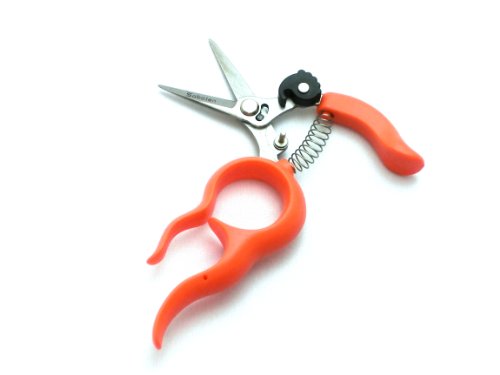
[Caution] Picture shown is 1318S.

K115 Crop Harvest Knife, 7.25-Inch Blade, is designed for trimming lettuce, greens, and soft-stemmed vegetables.

Chop Salad in the Bowl: These salad chopper scissors turn a bowl of lettuce and toppings into a finely chopped salad. The salad cutter tool has a curved anti-splash head and needs no chopping board
Timing the Harvest
Harvest romaine lettuce when the leaves reach about 6 to 8 inches in height. This size indicates maturity while ensuring the plant can still produce new growth. Examine the outer leaves; once they’re crisp and dark green, it’s time to cut. For the best taste, harvest in the morning when temperatures are cooler. If you notice flowers beginning to form, consider harvesting sooner, as the leaves may turn bitter.
Tools You Will Need
Gather these essential tools for a smooth harvesting process:
- Sharp Knife or Scissors: Use sharp blades to make clean cuts. This minimizes damage to the plant, promoting healthier regrowth.
- Garden Gloves: Protect your hands and maintain hygiene while handling the lettuce.
- Basket or Container: Collect harvested leaves without bruising them, preserving quality until use.
- Watering Can (optional): Water the plants lightly before harvest to keep them hydrated and fresh during handling.
Using the right timing and tools helps you successfully harvest romaine lettuce while encouraging new growth for future crops.
Best Practices for Regrowth
Proper techniques enhance the regrowth of romaine lettuce after harvesting. Follow these best practices for optimal results.
Recommended Products

Curved blade tips for ultimate cutting precision

7 Variety Salad Collection: Elevate your salad game with our gourmet mix! This collection includes 7 distinct varieties—Romaine, Buttercrunch, Iceberg, Oak Leaf, Bibb, Lollo, and Black-Seeded Simpson. Whether you crave the satisfying crunch of Iceberg or the tender, buttery texture of Butter Crunch and Bibb, this variety pack ensures a sophisticated, salad right in your own backyard.

7 Variety Salad Collection: Elevate your salad game with our gourmet mix! This collection includes 7 distinct varieties—Romaine, Buttercrunch, Iceberg, Oak Leaf, Bibb, Lollo, and Black-Seeded Simpson. Whether you crave the satisfying crunch of Iceberg or the tender, buttery texture of Butter Crunch and Bibb, this variety pack ensures a sophisticated, salad right in your own backyard.
How to Cut Romaine Lettuce
- Cut outer leaves only. This technique allows the inner leaves to continue growing.
- Use sharp tools. A sharp knife or scissors ensures clean cuts, promoting faster healing for the plant.
- Position your cuts correctly. Cut leaves at the base, about an inch above where they emerge from the stem.
- Harvest in the morning. Morning cuts minimize stress on the plant and enhance leaf freshness.
- Space out your harvest. Avoid cutting too many leaves at once to ensure the plant conserves energy for regrowth.
- Test soil regularly. Check nutrient levels in the soil to keep it balanced and fertile.
- Add organic matter. Incorporate compost or well-rotted manure to enrich the soil, promoting healthy root growth.
- Water deeply. Ensure moisture reaches the roots, as surface watering can lead to shallow roots.
- Rotate crops. Prevent nutrient depletion and pest buildup by rotating your crops each season.
- Monitor pH levels. Maintain a pH of 6.0 to 7.0 for optimal growth conditions.
Implementing these practices fosters healthy regrowth and keeps your romaine lettuce thriving throughout the growing season.
Troubleshooting Common Issues
Romaine lettuce can face various challenges that affect its growth and yield. Identifying these issues early helps ensure successful harvesting and regrowth. Here’s how to troubleshoot common problems.
Recommended Products
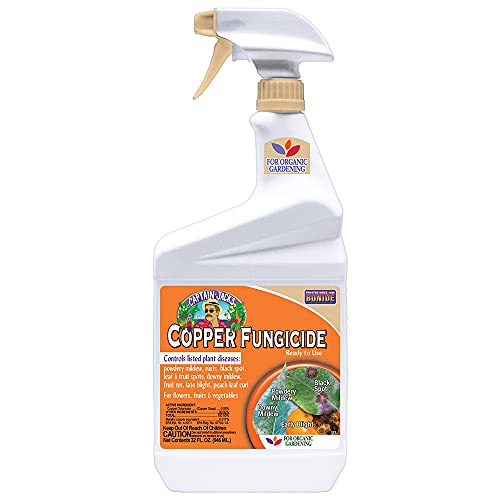
Control fungus and disease in your garden with Captain Jack’s ready-to-use Liquid Copper Fungicide!

Control fungus and disease in your garden with Captain Jack’s Liquid Copper Fungicide Concentrate!

TREATS AND CONTROLS PLANT DISEASE - Maintain the health of your plants with Earth’s Ally fungicide spray. Tackle common plant diseases including powdery mildew, downy mildew, blight, canker, black spot and leaf spot. Also functions as a complete fungicide, giving your plants all-in-one disease protection.
Pests and Diseases
Pests like aphids, slugs, and caterpillars can damage romaine lettuce. Monitor your plants weekly for any signs of infestation. If you spot pests, remove them manually or use insecticidal soap.
Diseases such as powdery mildew and downy mildew can also affect romaine. These often thrive in humid conditions, so ensure adequate air circulation around your plants. Apply fungicides at the first sign of disease, and consider rotating your crops yearly to prevent recurrence.
Environmental Factors
Environmental factors significantly influence the health of your romaine lettuce. Extreme temperatures, either too hot or too cold, can cause stress. Aim to keep your lettuce in the preferred temperature range of 60°F to 70°F. Use shade cloth in summer to protect from intense heat.
Soil quality plays a crucial role as well. Test soil pH regularly and aim for a range of 6.0 to 7.0. Amend your soil with organic matter to improve nutrient levels. Also, monitor moisture levels, ensuring the soil stays consistently moist but not waterlogged. Water deeply once or twice a week to promote a strong root system.
By addressing pests, diseases, and environmental conditions swiftly, you encourage healthy growth and repeated harvests from your romaine lettuce.
Conclusion
Growing your own romaine lettuce can be incredibly rewarding. By following the right techniques for harvesting and regrowth you can enjoy fresh greens throughout the season. Remember to cut only the outer leaves and give the inner leaves a chance to flourish.
Keep an eye on your plants for any signs of pests or diseases and make adjustments as needed. With a little patience and care your romaine will keep producing delicious leaves for your salads and sandwiches. Happy gardening and enjoy your bountiful harvest!
Frequently Asked Questions
How can I achieve continuous harvesting of romaine lettuce?
To achieve continuous harvesting of romaine lettuce, strategically harvest the outer leaves while allowing inner leaves to grow. Harvest when leaves are about 6 to 8 inches tall and make clean cuts with sharp tools to encourage regrowth.
What are the ideal growing conditions for romaine lettuce?
Romaine lettuce thrives in cool weather (60°F to 70°F). It prefers well-draining, nutrient-rich soil with a pH of 6.0 to 7.0, receives 6 to 8 hours of sunlight daily, and requires consistent moisture through deep watering once or twice a week.
When is the best time to harvest romaine lettuce?
The best time to harvest romaine lettuce is in the morning, when leaves are crisp and flavorful. Harvest the outer leaves when they reach maturity, ensuring that you leave the inner leaves to continue growing.
What tools do I need for harvesting romaine lettuce?
Essential tools for harvesting romaine lettuce include a sharp knife or scissors for making clean cuts, garden gloves for protection, and a basket or container to hold the leaves without bruising them.
How can I promote regrowth after harvesting romaine lettuce?
To promote regrowth, cut only the outer leaves and make sharp cuts at the base to minimize plant stress. Space out harvesting times to conserve the plant’s energy and ensure healthy regrowth.
What common issues affect romaine lettuce growth?
Common issues include pests like aphids and slugs, as well as diseases like powdery mildew. Regularly monitor plants for these issues and act quickly to maintain healthy growth. Environmental factors, including temperature and soil quality, also play a significant role.
