

Have you ever wondered how to save seeds from your favorite red leaf lettuce? If you’ve enjoyed growing this vibrant leafy green in your garden, you know how rewarding it is to watch it thrive. But did you know you can easily harvest its seeds to ensure a bountiful crop next season?
Key Takeaways
- Understanding Characteristics: Red leaf lettuce is not only visually appealing but also nutritious, maturing quickly to allow for multiple harvests throughout the season.
- Seed Harvest Timing: Harvest seeds when the heads are completely dry and the seed pods are brown and brittle, typically 7-10 days after they dry.
- Essential Tools: Gather scissors, paper bags, gloves, and labels beforehand to streamline the seed harvesting process.
- Identifying Mature Seeds: Look for color change and dryness in seed heads to confirm they are ready for harvesting.
- Cleaning and Storing: Clean harvested seeds to remove debris, allow them to dry completely, and store in airtight containers in a cool, dark place to maintain viability.
- Annual Monitoring: Regularly check stored seeds for signs of damage and discard any deteriorated seeds to ensure quality for future planting.
Understanding Red Leaf Lettuce
Red leaf lettuce is a popular and nutritious choice for home gardens. Its vibrant color and flavor enhance various dishes. Understanding its characteristics and benefits can help you appreciate this leafy green even more.
Characteristics of Red Leaf Lettuce
- Color: Red leaf lettuce features deep burgundy or purple leaves, adding visual appeal to salads and other meals.
- Texture: The leaves are tender and crisp, providing a delightful crunch when eaten raw.
- Variety: Many cultivars exist, but they typically grow in loose heads, making harvesting easier.
- Growth Cycle: Red leaf lettuce matures quickly, often within 45 to 55 days, allowing for multiple harvests throughout the growing season.
- Nutritional Value: This lettuce is low in calories but rich in vitamins A and K, making it a healthy choice for your diet.
- Fast Growth: Red leaf lettuce thrives in cool weather and grows rapidly, ensuring a speedy harvest.
- Easy to Grow: Ideal for beginners, it requires minimal care and adapts well to various soil types.
- Continuous Harvest: Regularly harvesting outer leaves encourages plant growth, providing fresh lettuce for weeks.
- Pest Resistance: Its quick maturity can help minimize pest damage, reducing the need for chemical treatments.
- Culinary Versatility: Use red leaf lettuce in salads, sandwiches, or as a garnish, offering flavor and texture to your meals.
Preparing for Seed Harvest
Preparing for the seed harvest from red leaf lettuce ensures a successful process that yields quality seeds. Follow the guidelines below to get ready effectively.
Recommended Products

Red Leaf Lettuce (Lactuca sativa): Non-GMO heirloom yields large, ruffled deep-red loose-leaf heads with crisp texture and mild nutty flavor; ready in 45–55 days.

Cool Beans n Sprouts Brand

☀️ Super Red Romaine Lettuce: Try this beautiful and delicious heirloom lettuce for a tart and colorful addition to your salad.
Choosing the Right Time to Harvest
Timing is crucial for harvesting seeds from red leaf lettuce. You should wait until the heads have dried completely on the plant. Look for the seed pods to turn brown and brittle. Harvest seeds approximately seven to ten days after the pods have dried. The seeds are ready if they easily separate from the pods when you squeeze them gently.
Tools Needed for Harvesting Seeds
You’ll require a few essential tools for an efficient seed harvest.
- Scissors: Use sharp scissors to cut seed stalks without damaging surrounding leaves.
- Paper Bags: Store harvested seed stalks in paper bags, allowing moisture to escape and preventing mold.
- Gloves: Wear gloves if desired to keep hands clean during the process.
- Labels: Make sure to label each bag with the plant variety and the harvest date for easy tracking.
Gather these tools beforehand to streamline your harvest process.
Steps to Harvest Red Leaf Lettuce Seeds
Harvesting seeds from red leaf lettuce requires attention to detail and timing. Follow these steps to ensure a successful seed collection.
Recommended Products
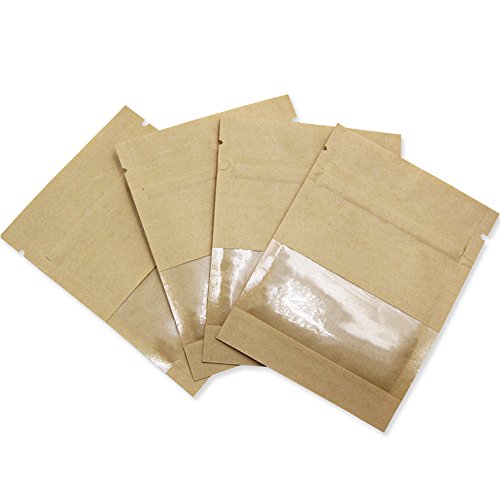
3 sizes (pack of 50 pieces): 20 pcs outside size: 2.7x3.5 inch(7x9cm), usable size: 2.36x2.36 inch(6x6cm); 20 pcs outside size: 3.5x5.1 inch(9x13cm), usable size: 3.1x3.9 inch(8x10cm); 10 pcs outside size: 5.1x7.08 inch(13x18cm), usable size: 4.7x5.7 inch(12x14.5cm)

High-Quality Seed Envelopes - Crafted from superior kraft paper, these seed envelopes offer exceptional durability. The clear window on the back ensures the contents are both visible and protected, making it an ideal choice for seed preservation and organization.

PRESERVE FRESHNESS: Our Salad Bag is a kitchen essential that helps keep greens and produce fresher longer. It’s large enough to hold whole lettuce or veggies and keep them crisp for two up to weeks in the fridge
Identifying Mature Seed Heads
Identifying mature seed heads is crucial for successful seed harvesting. Look for the following signs:
- Color Change: Seed heads transform from green to brown or tan. This change indicates maturity.
- Dryness: Mature seed heads feel dry to the touch. Moisture content affects seed viability.
- Seed Formation: Seeds become visible, appearing clustered in small, rounded pods. Ensure seeds are fully formed before harvesting.
Cutting and Collecting Seed Heads
Cutting and collecting seed heads properly maximizes yield. Proceed with these steps:
- Select Mature Plants: Choose plants with well-formed seed heads.
- Use Scissors: Cut the seed heads off the plant, leaving a few inches of stem attached. This makes handling easier.
- Place in Paper Bags: Put the seed heads in paper bags for collection. Paper helps absorb moisture.
- Label Bags: Write the plant variety and harvest date on the bags. This aids in organization and tracking.
- Allow Drying: Store the bags in a cool, dry place for about two weeks. This ensures seeds dry out properly.
By following these steps, you enhance your chances of obtaining high-quality seeds for future plantings.
Cleaning and Storing Seeds
Cleaning your harvested seeds properly increases their viability and reduces the risk of disease. Focus on two main tasks: removing debris and drying the seeds effectively.
Recommended Products

Keep your produce fresh for longer: The PrepSolutions Lettuce Keeper keeps your produce fresh with an adjustable air vent and water reservoir, creating the ideal environment for fresh fruits and vegetables. Item measures 12.5" W x 7.25" D x 5.25" H and weighs 1.14 lbs.

𝐊𝐞𝐞𝐩𝐬 𝐕𝐞𝐠𝐞𝐭𝐚𝐛𝐥𝐞𝐬 𝐅𝐫𝐞𝐬𝐡 𝐋𝐨𝐧𝐠𝐞𝐫: The Home-X salad keeper for refrigerator is designed to preserve the freshness of lettuce, broccoli, cauliflower, and more. It creates an ideal cold, moist storage environment to help your vegetables stay crisp and fresh for longer periods.

This seed storage set includes 1 zippered storage bag, 60 storage bottles, 20 seed envelopes, 3 gardening tools, and label stickers, which effectively prevent moisture and light, ensuring dry and safe storage of seeds
Cleaning the Harvested Seeds
- Remove Debris: Take your harvested seed heads and gently rub them between your fingers to separate the seeds from chaff and other plant material. You may use a fine sieve or mesh to help catch the seeds while letting debris fall away.
- Wash Seeds (Optional): If your seeds are particularly dirty, rinse them in a bowl of water. The seeds settle at the bottom while dirt and chaff float to the top. Strain the seeds and let them dry.
- Dry the Seeds: Spread the cleaned seeds on a paper towel or a clean, dry surface in a shaded area. Allow them to dry thoroughly for about 3-7 days. This step ensures that moisture doesn’t lead to mold during storage.
- Choose Containers: Use airtight containers like glass jars, plastic bags, or seed envelopes. Label containers with the variety and date for future reference.
- Store in a Cool, Dark Place: Keep seeds in a location with consistent temperatures, ideally between 32°F and 41°F. A refrigerator or a cool basement works well. Avoid locations near heat sources or direct sunlight.
- Monitor Humidity: Maintain low humidity levels to prevent seeds from absorbing moisture. You can include desiccant packets in storage containers to help control moisture.
- Check Annually: Examine stored seeds every year. Discard any that show signs of damage or deterioration. This practice helps maintain healthy seeds for planting.
Following these cleaning and storage tips ensures that your red leaf lettuce seeds remain viable for planting in future seasons.
Conclusion
Harvesting red leaf lettuce seeds can be a rewarding experience. By following the right steps you can ensure your seeds remain viable for future gardening seasons. Remember to pay attention to timing and use the proper tools to make the process smoother.
Once you’ve collected your seeds take the time to clean and store them properly. This will help protect them from pests and diseases while maintaining their quality. With a little care your red leaf lettuce seeds can thrive and provide you with delicious greens for years to come. Happy gardening!
Frequently Asked Questions
How do I save seeds from red leaf lettuce plants?
To save seeds from red leaf lettuce, allow the plants to flower and produce seed heads. Once the seeds are mature, harvest them carefully. Make sure to choose healthy plants and collect seeds when they are dry and brown.
What tools do I need for harvesting lettuce seeds?
For harvesting red leaf lettuce seeds, you need scissors or pruning shears for cutting seed heads, a container for collecting seeds, and possibly a sieve for cleaning them. Having the right tools will make the process smoother and more efficient.
How should I clean harvested lettuce seeds?
To clean harvested seeds, remove any debris by hand. If necessary, rinse the seeds gently with water. After washing, ensure they are thoroughly dried to prevent mold and increase viability.
How should I store red leaf lettuce seeds?
Store red leaf lettuce seeds in a cool, dark place with controlled humidity. Use airtight containers to protect them from moisture and pests. Label containers with the date and variety for future reference.
How can I ensure my seeds remain viable?
To maintain seed viability, check them annually for moisture and health. Keep them in optimal storage conditions, such as a cool, dark area. Discard any seeds that show signs of mold or damage.
