

Have you ever wondered how to enjoy fresh head lettuce without sacrificing future harvests? It can be frustrating to pick your greens only to find that they don’t grow back as you hoped.
Key Takeaways
- Understanding Growth Cycle: Head lettuce has a defined growth cycle, starting from seed germination and maturing within 70 to 100 days. Recognizing this lifecycle helps optimize harvesting without stunting future growth.
- Proper Harvesting Techniques: Use a sharp knife to cleanly cut the heads at the base, ensuring some outer leaves remain intact. This minimizes damage and promotes regrowth.
- Timing is Essential: Harvest head lettuce at full size but before it flowers. Early morning is the best time for harvesting to retain moisture and crispness.
- Soil and Nutrients Matter: Ensure well-draining, nutrient-rich soil and apply fertilizer after harvesting to support ongoing growth. Regular watering is crucial.
- Avoid Overharvesting: Limit yourself to harvesting no more than one-third of the plant at a time to prevent hindering regrowth and maintain healthy lettuce plants.
- Monitor Plant Health: Regularly assess your lettuce for diseases and pests. Maintain good soil health and nutrients to support effective regrowth after each harvest.
Understanding Head Lettuce Growth
Head lettuce grows in a defined life cycle that, when understood, helps you harvest effectively. This knowledge aids in ensuring continual production from your garden.
Lifecycle of Head Lettuce
Head lettuce starts from seed germination. It typically takes 7 to 14 days for seeds to sprout. The young plants develop true leaves over the next few weeks, transitioning into the vegetative phase. This phase lasts about 30 to 60 days, depending on the variety and conditions. During this time, head lettuce forms tightly packed heads. Once fully mature, you can begin harvesting without disrupting future growth.
Importance of Proper Harvesting
Proper harvesting techniques significantly impact the plant’s ability to regrow. It’s essential to cut the heads at the right point. Use a sharp knife to slice the heads cleanly at the base. Avoid pulling or tearing, as this damages surrounding leaves and roots. Leave some outer leaves intact. These will help protect the inner leaves and promote regrowth. After harvesting, ensure the plants receive adequate water and nutrients to encourage new growth.
Techniques for Harvesting Head Lettuce
Harvesting head lettuce correctly encourages regrowth and sustains your garden’s productivity. Follow these techniques to ensure you maximize your yields.
Recommended Products

K115 Crop Harvest Knife, 7.25-Inch Blade, is designed for trimming lettuce, greens, and soft-stemmed vegetables.
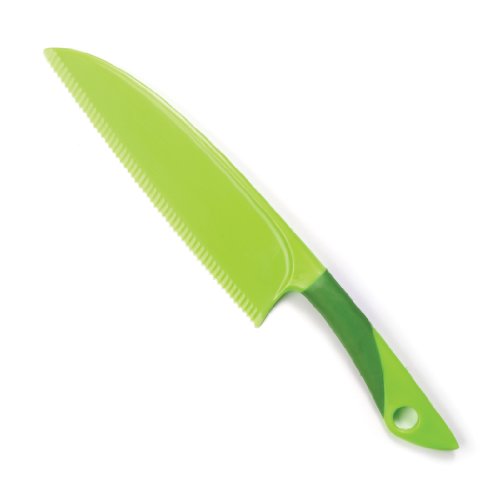
Non-slip, soft grip handle

PREVENTS LETTUCE & SALAD BROWNING: Durable polystyrene plastic blade cuts cleanly through delicate greens, romaine, and cabbage without oxidizing cut edges, keeping tossed salads fresher and crisper longer.
Timing Your Harvest
Timing affects both flavor and regrowth. Harvest when heads reach full size but before they flower. This typically occurs 70 to 100 days after planting. Check for firm heads and vibrant color. If heads become loose or start to bolt, it’s time to harvest. Early morning offers the best time, as cooler temperatures help the lettuce retain moisture and crispness.
Tools Needed for Harvesting
Using the right tools makes harvesting efficient and clean. You need:
- Sharp Knife: A clean, sharp knife ensures a smooth cut at the base of the head. Avoid tearing the plant.
- Garden Scissors: If you prefer, scissors can also work well for delicate heads.
- Gloves: Wearing gloves helps maintain hygiene and protects your hands from possible cuts.
- Basket or Container: Use a basket to collect harvested heads without bruising them.
This combination of timing and tools promotes a successful harvest while aiding continued growth.
Methods to Encourage Regrowth
Encouraging regrowth after harvesting head lettuce requires proper techniques and considerations. Focus on cutting methods and soil conditions to support ongoing plant health and productivity.
Recommended Products

Organic compost starter speeds up the composting process and is ideal for outdoor compost piles

NUTRIENT-RICH GROWTH: Premium cow manure compost packed with nitrogen, calcium, and iron. This organic compost fertilizer enriches soil, boosts microbial life, and supports bigger vegetables, greener lawns, and thriving flowers.

MasterBlend Lettuce Fertilizer Formula by PowerGrow Systems is fully Water Soluble
Cutting Techniques
Use sharp tools for clean cuts. A sharp knife or garden scissors cuts through the base of the lettuce head swiftly, reducing damage. Cut heads approximately one inch above the soil line. Leave enough outer leaves intact to shield the inner leaves from sunlight and pests. When harvesting, cut in the early morning to preserve moisture and crispness. Repeat harvesting in intervals to allow time for regrowth, usually 2-3 weeks after the initial cut.
Soil and Nutrient Considerations
Soil health directly impacts regrowth. Ensure well-draining soil enriched with organic matter, like compost. This provides essential nutrients and improves water retention. After harvesting, apply a balanced fertilizer to replenish lost nutrients. Look for fertilizers with ratios like 10-10-10 (N-P-K) to supply nitrogen, phosphorus, and potassium. Water regularly, aiming for about one inch per week, to support new growth without waterlogging the roots. Monitor soil moisture levels and adjust based on weather conditions.
Common Mistakes to Avoid
Avoiding common mistakes ensures successful harvesting of head lettuce while promoting further growth. Here are some pitfalls to watch for:
Recommended Products

Curved blade tips for ultimate cutting precision

Precision 1.75" Curved Blade for Detailed Cutting – Needle-nose curved blade design provides exceptional control for pruning in tight spaces, making it ideal for harvesting grapes, trimming herbs, thinning fruit, and deadheading delicate flowers.

Effortless Herb Chopping with 5 Sharp Blades - SASACIA herb scissors feature five stainless steel blades to cut herbs, lettuce, cilantro, and green onions evenly in seconds, saving you time in the kitchen.
Overharvesting Risks
Overharvesting can jeopardize the future yield of your lettuce. Taking too many heads at once limits the plant’s ability to regenerate. Harvest no more than one-third of the plant to allow remaining leaves to photosynthesize and support regrowth. Monitor the condition of the plants after each harvest and adjust your approach to ensure continued health.
Ignoring Plant Health
Neglecting the overall health of your lettuce plants can lead to suboptimal regrowth. Before harvesting, assess the plants for signs of disease, pests, or nutrient deficiencies. Healthy plants regenerate more effectively. Ensure your soil is rich in nutrients, and water consistently to promote robust growth. After harvesting, provide care by checking for moisture and replenishing nutrients based on plant needs.
Conclusion
Harvesting head lettuce doesn’t have to mean the end of your crop. By following the right techniques and understanding the plant’s needs you can enjoy fresh greens while encouraging new growth. Remember to cut cleanly and leave some outer leaves intact to protect the inner ones.
Timing is key so aim for early morning harvests when your lettuce is at its best. With proper care like regular watering and nutrient-rich soil your plants will reward you with more delicious lettuce. Keep an eye on their health and avoid overharvesting to ensure you’re set up for a bountiful future. Happy harvesting!
Frequently Asked Questions
What is the optimal time to harvest head lettuce?
Harvest head lettuce when it reaches full size but before it flowers, typically 70 to 100 days after planting. Early morning is the best time to harvest, as cooler temperatures help retain moisture and crispness.
How can I encourage regrowth after harvesting?
To encourage regrowth, cut heads about one inch above the soil line and leave some outer leaves intact. Water regularly and ensure the soil is nutrient-rich to support new growth.
What tools are necessary for harvesting head lettuce?
Essential tools for harvesting head lettuce include a sharp knife or garden scissors, gloves for protection, and a basket or container to collect the heads without bruising them.
Why is soil health important for lettuce regrowth?
Healthy soil ensures plants receive adequate nutrients and drainage, supporting robust growth after harvesting. Enriching the soil with organic matter and balanced fertilizers is key for optimal regrowth.
What are common mistakes to avoid when harvesting lettuce?
Avoid overharvesting; cutting more than one-third of the plant can limit future yields. Also, ensure the plants are healthy prior to harvesting, as strong plants regenerate more effectively.
