

Have you ever dreamed of plucking juicy, sun-ripened tomatoes straight from your garden bed? Picture this: the satisfaction of nurturing your own vibrant tomato plants, knowing exactly where your food comes from. Imagine savoring the unmatched flavor of homegrown tomatoes in your salads, sauces, and sandwiches.
Key Takeaways
- Select tomato varieties based on taste, size, growth habits, and disease resistance; consider heirloom vs. hybrid options like Early Girl, Celebrity, Roma, Cherokee Purple, and Sun Gold.
- Prepare your garden bed with well-draining soil rich in organic matter and ensure it receives 6-8 hours of direct sunlight daily for optimal tomato cultivation.
- Plant tomatoes after the last frost date, space them correctly based on variety type (determinate or indeterminate), plant deep for root development, and follow proper timing guidelines for successful growth.
- Water tomatoes consistently to prevent issues like blossom end rot or cracking; use soaker hoses or drip irrigation systems for efficient watering and fertilize regularly with balanced fertilizers tailored to tomato needs.
- Manage common tomato plant pests and diseases such as early blight, hornworms, blossom end rot, aphids, late blight using techniques like neem oil spray, companion planting with marigolds, introducing beneficial insects or homemade remedies.
- Harvest ripe tomatoes when they have reached full color and firmness; maximize yield through regular harvesting, prudent pruning to improve air circulation and sunlight exposure. Support plants with staking/caging, mulch for moisture retention & weed control.
Selecting the Right Tomato Varieties
When choosing tomato varieties for your garden bed, it’s essential to consider factors like taste, size, growth habits, and disease resistance. Here are some key points to help you make the best selection:
Heirloom vs. Hybrid Tomatoes
Heirloom tomatoes are open-pollinated varieties that have been passed down through generations for their unique flavors and characteristics. They come in a wide range of colors, shapes, and sizes but may be less disease-resistant than hybrids.
Hybrid tomatoes are bred from two different parent plants to combine desirable traits such as disease resistance, high yield, or uniform fruit size. While they may lack the diversity of heirlooms, hybrids often offer better productivity and consistency.
- Early Girl: A popular hybrid variety known for its early harvests and delicious flavor.
- Celebrity: Another great hybrid choice with excellent disease resistance and tasty fruits.
- Roma: Ideal for sauces and canning, this determinate variety thrives in garden beds.
- Cherokee Purple: An heirloom favorite with rich, sweet flavor and striking coloration.
- Sun Gold: A cherry tomato hybrid loved for its sweet taste and prolific production.
Preparing Your Garden Bed
When it comes to growing tomatoes in your garden bed, proper preparation is key to ensuring healthy plants and a bountiful harvest. Here’s how you can set up your garden bed for success:
Choosing the Right Soil
Start by selecting well-draining soil rich in organic matter. A good mix consists of equal parts compost, peat moss, and vermiculite or perlite. This blend provides essential nutrients while allowing water to flow freely around the roots.
Optimal Location and Sunlight
Find a sunny spot in your garden that receives at least 6-8 hours of direct sunlight daily. Tomatoes thrive in full sun, so ensure they get adequate light exposure for optimal growth and fruit production.
By preparing your garden bed with the right soil composition and locating it in a sunny area, you’re laying the foundation for successful tomato cultivation.
Planting Techniques
When it comes to planting tomatoes in your garden bed, proper techniques can make all the difference in ensuring a bountiful harvest. Here are some essential tips to help you get started:
Timing for Planting
Plant your tomatoes outdoors only after the last frost date has passed. Tomatoes thrive in warm soil, so aim to plant them when the nighttime temperatures consistently stay above 50°F (10°C). In most regions, this usually falls between late spring and early summer.
Spacing and Depth Guidelines
Ensure adequate spacing between tomato plants to promote healthy growth. When planting determinate varieties, space them about 1.5-2 feet apart, while indeterminate types should be spaced 2-3 feet apart. Dig a hole slightly deeper than the root ball of the tomato plant and remove any lower leaves before planting it deep into the soil. This allows for better root development and stability.
By following these planting techniques, you can set your tomato plants up for success and look forward to a rewarding harvest later in the season.
Watering and Feeding Your Tomatoes
To ensure your tomatoes thrive, proper watering and feeding are essential. Here’s how you can effectively care for your tomato plants:
Recommended Products
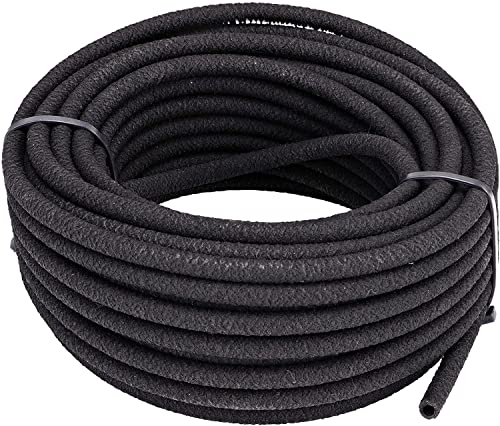
Slowly waters the soil around your plants for complete root zone hydration; Ideal for short runs on flat surfaces, such as vegetable gardens, borders, and around small plants

NO MORE HARD INSTALLATION - SET UP IN MINUTES. Tired of struggling with stiff barbed fittings? This drip irrigation system features quick-connect fittings that let you push, lock, and secure tubing effortlessly. No tools, no leaks, just a smooth setup experience. Enjoy a frustration-free installation and get your garden watering system running in minutes.

Heavy duty push-on plastic couplings — Cut, shorten, or expand the hose to any length and connect multiple sections for a leak-proof, custom-fit drip irrigation system
Irrigation Techniques
When it comes to watering your tomatoes, consistency is key. It’s crucial to maintain even moisture levels in the soil to prevent issues like blossom end rot or cracking in the fruits. A deep watering once or twice a week is generally sufficient, ensuring that the water reaches the roots.
Consider using a soaker hose or drip irrigation system to deliver water directly to the base of the plants, minimizing evaporation and reducing the risk of fungal diseases. Avoid overhead watering, as wet foliage can lead to leaf diseases.
Fertilization Schedule
Tomatoes are heavy feeders, requiring regular fertilization throughout their growth cycle. Start by incorporating a balanced fertilizer into the soil at planting time. Look for fertilizers specifically formulated for tomatoes or vegetables with higher phosphorus content to promote fruit development.
As your tomato plants grow, supplement with additional fertilizer every 3-4 weeks during the growing season. You can use liquid fertilizers diluted in water or granular formulations applied around the drip line of the plants. Always follow package instructions for application rates to avoid over-fertilizing, which can harm your plants rather than help them flourish.
By following these irrigation techniques and maintaining a proper fertilization schedule, you’ll provide your tomato plants with the necessary care they need to yield bountiful harvests of delicious tomatoes for you to enjoy fresh from your garden bed.
Pest and Disease Management
Tomato plants are susceptible to various pests and diseases that can impact their growth and yield. By being proactive in identifying and managing these issues, you can ensure healthy tomato plants and a successful harvest.
Recommended Products
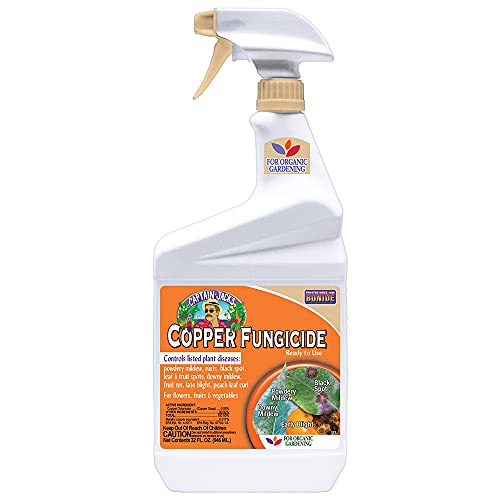
Control fungus and disease in your garden with Captain Jack’s ready-to-use Liquid Copper Fungicide!

3-IN-1 GARDEN CARE SPRAY - Earth’s Ally 3-in-1 Plant Spray is a ready-to-use botanical oil spray designed for indoor and outdoor plant care. The houseplant pest spray effectively kills and controls soft-bodied insects and common plant diseases with a synergistic blend of essential oils.

KILLS LISTED INSECTS ON CONTACT: Tomato & Vegetable Insect Killer kills aphids, Japanese Beetles, cutworms, and other listed pests
Common Issues in Tomato Plants
- Early Blight: This fungal disease commonly affects tomato plants, causing dark spots on the lower leaves that spread upwards. To prevent early blight, ensure good air circulation around your plants by properly spacing them.
- Hornworms: Large green caterpillars known as hornworms can devour tomato plant leaves rapidly. Handpick these pests or introduce natural predators like parasitic wasps to control their population.
- Blossom End Rot: A physiological disorder caused by calcium deficiency or irregular watering, blossom end rot leads to dark, sunken areas at the bottom of tomatoes. Maintain consistent soil moisture levels to prevent this issue.
- Aphids: These tiny insects feed on plant sap and excrete a sticky substance called honeydew, attracting ants and promoting mold growth on tomato leaves. Use insecticidal soap or introduce ladybugs for organic aphid control.
- Late Blight: A devastating fungal disease that thrives in cool, wet conditions, late blight causes brown lesions on leaves and fruits of tomato plants. Remove infected plant parts immediately and avoid overhead watering to reduce its spread.
- Neem Oil Spray: Neem oil is an effective organic solution for controlling various tomato pests like aphids, whiteflies, and spider mites while being safe for beneficial insects.
- Companion Planting: Planting marigolds near tomatoes can repel nematodes and other harmful insects due to their strong scent.
- Beneficial Insects: Introduce beneficial insects such as ladybugs, lacewings, or predatory beetles into your garden bed to naturally control pest populations without harming the environment.
- Homemade Remedies: Create homemade sprays using ingredients like garlic, chili peppers, or soap to deter common pests from attacking your tomato plants organically.
Harvesting Tomatoes
Knowing when to pick tomatoes and maximizing your yield are crucial steps in enjoying the fruits of your labor from your garden bed.
When to Pick Tomatoes
Harvesting tomatoes at the right time ensures optimal flavor and texture. It’s best to pick tomatoes when they have reached full color, whether it’s red, yellow, orange, or any other ripe shade depending on the variety. The fruit should be firm but give slightly when gently squeezed. If you notice a glossy sheen on the skin, it’s a good indicator that the tomato is ready for picking.
Tips for Maximizing Yield
To maximize your tomato yield, consider these tips:
- Regular Harvesting: Pick ripe tomatoes promptly to encourage more fruit production.
- Prune Wisely: Remove excess foliage to allow sunlight penetration and improve air circulation around the plants.
- Support Your Plants: Stake or cage your tomato plants to prevent sprawling and ensure proper support for heavy fruit clusters.
- Mulch Matters: Mulching helps retain moisture, regulate soil temperature, and reduce weed growth around your tomato plants. Use organic mulch like straw or grass clippings.
- Fertilize Appropriately: Feed your tomato plants with balanced fertilizer according to their growth stage for healthy development and increased yields.
By following these harvesting tips and strategies for maximizing yield, you’ll enjoy a plentiful harvest of delicious homegrown tomatoes from your garden bed.
Conclusion
Growing tomatoes in your garden bed can be a rewarding experience. By following the tips and techniques outlined in this article, you can ensure healthy plants and a plentiful harvest. Remember to pay attention to watering, feeding, and pest management to promote optimal growth. Harvesting at the right time will guarantee delicious tomatoes for your table. With proper care and attention to detail, you’ll soon enjoy the satisfaction of homegrown tomatoes bursting with flavor. Happy gardening!
Frequently Asked Questions
What are some common tomato varieties suitable for home gardens?
There are many tomato varieties suitable for home gardens, such as Roma, Cherry, Beefsteak, and Early Girl.
How should I prepare the garden bed for planting tomatoes?
Prepare a sunny spot with well-draining soil by adding compost or organic matter to improve fertility.
What are essential planting techniques for tomatoes?
Plant tomatoes deep in the soil, spacing them properly according to their variety requirements.
How often should I water my tomato plants?
Water deeply but infrequently, aiming to keep the soil consistently moist but not waterlogged.
What feeding and fertilizing practices are recommended for tomatoes?
Use a balanced fertilizer high in phosphorus when transplanting and apply additional feedings throughout the growing season.
How can I manage pests like aphids on my tomato plants?
Introduce beneficial insects like ladybugs or use insecticidal soap as an organic control method.
When is the best time to harvest tomatoes for optimal flavor?
Harvest ripe tomatoes when they have reached full color and slightly yield to gentle pressure.
