

Have you ever dreamed of harvesting juicy, flavorful tomatoes right from your own backyard? Picture this: You step outside, pluck a ripe tomato off the vine, and savor its fresh taste in your favorite dishes. If you’ve struggled to grow tomatoes successfully in the past, worry not! This article is here to guide you on how to grow spoon tomatoes effortlessly.
Imagine having a bountiful supply of delicious tomatoes at your fingertips, knowing exactly how they were grown and cared for. By following simple yet effective tips outlined in this article, you’ll soon be enjoying a plentiful harvest of spoon tomatoes. Get ready to elevate your gardening game and reap the rewards of growing these delectable fruits in your own garden.
Key Takeaways
- Spoon tomatoes, also known as grape or cherry tomatoes, are small-sized varieties that are perfect for snacking, salads, and culinary applications.
- Spoon tomato plants can be grown in small spaces like containers or hanging baskets due to their compact size.
- Spoon tomatoes have a quick maturity rate and high yield despite their petite size.
- Select well-draining soil rich in organic matter and provide at least 6-8 hours of direct sunlight daily for optimal growth.
- Plant spoon tomatoes using seedlings after the last frost date when the soil temperature is consistently above 60°F (15°C).
- Maintain proper watering practices, fertilization, and monitor for common pests and diseases to ensure healthy growth.
Understanding Spoon Tomatoes
Spoon tomatoes, also known as grape or cherry tomatoes, are small-sized varieties that resemble the shape of a spoon. These tomatoes are perfect for snacking, salads, or adding a burst of flavor to dishes.
What Are Spoon Tomatoes?
Spoon tomatoes are petite and elongated with a unique appearance similar to a spoon. They come in various colors like red, yellow, and even striped varieties. These tomatoes have a sweet flavor profile and are rich in nutrients like Vitamin C and antioxidants.
- Space-Saving: Due to their compact size, spoon tomato plants can be grown in small spaces such as containers or hanging baskets.
- Quick Maturity: Spoon tomatoes typically have a shorter growing season compared to larger tomato varieties, allowing you to enjoy your harvest sooner.
- High Yield: Despite their small size, spoon tomato plants can produce an abundance of fruit throughout the growing season.
- Versatile Usage: Whether eaten fresh off the vine or incorporated into various recipes, spoon tomatoes offer versatility in culinary applications.
By understanding the characteristics and advantages of spoon tomatoes, you’ll be well-equipped to cultivate these delightful fruits in your garden successfully.
Choosing the Right Environment
When growing spoon tomatoes, selecting the optimal environment is crucial for their successful cultivation. Here are key factors to consider:
Recommended Products
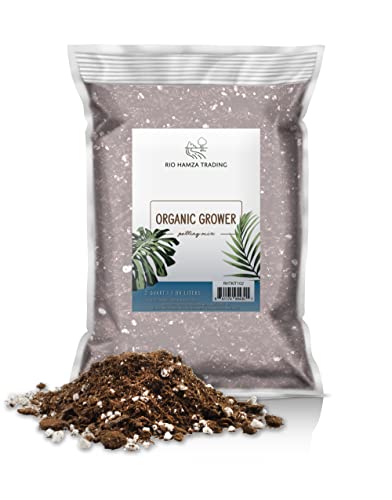
Promotes excellent aeration, drainage, and nutrient retention.

🌳 PROFESSIONALLY MIXED IN THE USA - Each bag is hand blended on our small family farm with premium horticultural grade ingredients: Coco Coir, Canadian Peat Moss, Perlite, Worm Castings- 1 QUART BAG
🌳 PROFESSIONALLY MIXED IN THE USA - Each bag is hand blended on our small family farm with premium horticultural grade ingredients: Coco Coir, Canadian Peat Moss, Perlite, Worm Castings- 2 QUART BAG
Selecting the Best Soil
For spoon tomatoes, it’s essential to choose well-draining soil rich in organic matter. A loamy soil type with a pH level between 6.0 and 6.8 provides ideal conditions for these plants to thrive. Ensure proper drainage to prevent waterlogging, which can lead to root rot.
Climate Considerations
Spoon tomatoes thrive in warm climates with plenty of sunlight. They require at least 6-8 hours of direct sunlight daily for optimal growth and fruit production. Ensure temperatures stay consistently above 50°F (10°C) as these plants are sensitive to cold weather and frost.
By carefully considering the soil quality and climate conditions, you can create an ideal environment for your spoon tomatoes to flourish and yield a plentiful harvest of delicious fruits.
Planting Spoon Tomatoes
When planting spoon tomatoes, it’s essential to pay attention to the seeding techniques and optimal planting time to ensure a successful harvest.
Recommended Products


HIGH YIELD TOMATO SEEDS: Teaspoon Tomatoes grow on large plants with long vines that provide plenty of space for prolific growth.

Classic Beefsteak Flavor: Beef steak tomato seeds grow mild, juicy, meaty fruits perfect for slicing tomato use. Large tomato seeds develop firm flesh ideal for sandwiches, salads, burgers, and fresh eating from your vegetable garden.
Seeding Techniques
To start growing spoon tomatoes, consider using seedlings rather than seeds for a more efficient and controlled process. You can either purchase healthy seedlings from a nursery or start your own indoors about 6-8 weeks before the last frost date in your region.
Optimal Planting Time
For best results, plant your spoon tomatoes outdoors after the last frost date in your area when the soil temperature is consistently above 60°F (15°C). This typically falls in late spring or early summer depending on your location. Ensure the plants receive adequate sunlight and warmth to thrive and produce an abundant crop of flavorful spoon tomatoes for your culinary delights.
Maintenance and Care
To ensure your spoon tomatoes thrive, proper maintenance and care are essential. Here’s what you need to know:
Recommended Products

Produce abundant and vibrant fruit and blooms! This product works by strengthening your plant's roots to increase nutrient uptake… enabling it to bloom and produce like you've never seen!

Balanced 5-10-10 Fertilizer Formula – 5-10-10 fertilizer delivers essential nutrients with higher phosphorus and potassium to support plant development.

Produce abundant and vibrant fruit and blooms! This product works by strengthening your plant's roots to increase nutrient uptake… enabling it to bloom and produce like you've never seen!
Watering Strategies
When it comes to watering your spoon tomatoes, consistency is key. You should aim to keep the soil consistently moist but not waterlogged. A good practice is to water deeply but infrequently to encourage strong root growth. During hot weather, increase watering frequency to prevent the soil from drying out completely. Remember, overwatering can lead to issues like root rot, so finding the right balance is crucial.
Fertilization and Nutrient Management
Providing adequate nutrients is vital for the healthy growth of spoon tomatoes. Consider using a balanced fertilizer high in phosphorus to promote flowering and fruit development. You can also supplement with organic matter such as compost or well-rotted manure to enrich the soil. Be cautious not to over-fertilize, as this can result in excessive foliage growth at the expense of fruit production.
Common Pests and Diseases
Keeping an eye out for common pests and diseases will help safeguard your spoon tomato plants. Look for signs of aphids, caterpillars, or fungal infections on both leaves and fruits. To combat these issues, you can introduce beneficial insects like ladybugs or use organic pesticides as a last resort. Regularly inspecting your plants allows for early detection and prompt treatment if any problems arise.
Harvesting and Storage
When to Harvest Spoon Tomatoes
Harvest your spoon tomatoes when they are fully ripe. They should have a deep color, firm texture, and come off the vine easily with a gentle twist. Avoid picking them too early as they won’t reach their full flavor potential.
Storing Spoon Tomatoes Effectively
To store your spoon tomatoes effectively, place them in a single layer in a cool, dry place away from direct sunlight. You can keep them at room temperature if you plan to consume them within a few days. For longer storage, refrigerate them but allow them to come to room temperature before eating for the best flavor. Remember not to store ripe tomatoes in the fridge as it can affect their taste and texture negatively.
Conclusion
Growing spoon tomatoes can be a rewarding experience. Their petite size, vibrant colors, and sweet flavor make them a delightful addition to your garden. With the right environment and proper care, you can enjoy a bountiful harvest of these versatile tomatoes. Remember to provide well-draining soil, ample sunlight, and regular maintenance to ensure healthy growth. By following the seeding techniques and harvesting tips mentioned in this article, you’ll soon be enjoying the fruits of your labor in delicious culinary creations. Embrace the journey of nurturing spoon tomatoes from seed to table and savor the freshness they bring to your meals. Happy gardening!
Frequently Asked Questions
What are spoon tomatoes?
Spoon tomatoes, also known as grape or cherry tomatoes, are small-sized tomatoes with a sweet flavor and unique shape.
What are the benefits of growing spoon tomatoes?
Growing spoon tomatoes is beneficial due to their space-saving nature, quick maturity, high yield, and versatile culinary uses.
How do I cultivate spoon tomatoes effectively?
To cultivate spoon tomatoes successfully, choose a well-draining soil rich in organic matter and provide warm climates with ample sunlight. Proper seeding techniques and timing are essential for optimal growth.
How should I care for my spoon tomato plants?
Care for your spoon tomato plants by following watering strategies, fertilization schedules, and effective pest management techniques to ensure healthy growth.
When should I harvest my spoon tomatoes?
Harvest your spoon tomatoes when they are fully ripe. Recognize ripeness by color and firmness. Store harvested tomatoes properly to maintain their flavor and texture.
