

Are you tired of store-bought lettuce that wilts too quickly? Imagine stepping into your garden and picking fresh, crisp leaves whenever you want. Growing your own salad lettuce is not only rewarding but also easy and fun.
Key Takeaways
- Variety Selection: Understand the different types of salad lettuce—romaine, butterhead, iceberg, leaf, and mesclun—to choose the best fit for your garden and taste preferences.
- Nutritional Benefits: Salad lettuce is low in calories, high in fiber, packed with essential vitamins, and contributes to hydration, making it a healthy addition to your diet.
- Optimal Growing Conditions: Select a sunny location, prepare soil with organic amendments, and maintain the right pH (6.0 – 7.0) for robust lettuce growth.
- Planting Techniques: Use direct sowing or transplanting seedlings, ensuring proper seed spacing and watering practices to encourage strong plants.
- Consistent Care: Regular watering, balanced fertilization, and proactive pest and disease management are crucial for thriving lettuce crops.
- Proper Harvesting: Recognize when lettuce is ready to harvest by checking leaf size, color, firmness, and taste, and use correct harvesting techniques to maintain freshness.
Understanding Salad Lettuce Varieties
Salad lettuce comes in various types, each offering unique textures, flavors, and uses. Knowing these varieties enhances your ability to grow and enjoy fresh lettuce from your garden.
Recommended Products

4 Popular Heirloom Lettuce Varieties: Includes Red Romaine, Bibb Butterhead, Black Seeded Simpson, and Green Ice lettuce seeds to grow crisp, tender, and colorful salad greens with balanced flavor, texture, and visual appeal.

YEAR-ROUND GARDEN FAVORITE – Dependable butterhead lettuce that thrives in cool or moderate weather for consistent harvests from spring through fall, even under cover in winter

Award-Winning Butterhead Variety: Bibb lettuce produce tender, crunchy lettuce heads with rich green leaves. Salad lettuce heirloom seeds are slow to bolt and heat tolerant in USDA zones 2–10. These vegetables seeds perform well in spring and fall.
Popular Types of Salad Lettuce
- Romaine: Known for its sturdy leaves and crunchy texture, romaine works well in salads and sandwiches.
- Butterhead: This variety features soft, leafy heads with a buttery texture. It offers a mild sweetness great for salads.
- Iceberg: Renowned for its crispness, iceberg forms tight, round heads. It adds a refreshing crunch to salads.
- Leaf Lettuce: Leaf lettuce includes a range of colors and leaf shapes, providing versatility in salads. Varieties such as red leaf and green leaf add visual appeal.
- Mesclun: A blend of young leafy greens, mesclun offers a mix of flavors and textures. It includes varieties like arugula and frisée.
Nutritional Benefits of Salad Lettuce
Salad lettuce boasts a range of nutritional benefits that make it a valuable addition to your diet.
- Low in Calories: Lettuce is low in calories, making it an excellent option for weight management.
- High in Fiber: The fiber content in lettuce aids digestion and promotes satiety, supporting healthy eating habits.
- Vitamins: Lettuce delivers essential vitamins, including vitamin A for eye health, vitamin K for bone health, and vitamin C for immune support.
- Hydration: With high water content, lettuce helps keep you hydrated.
Incorporating various salad lettuce types into your meals not only enhances flavor but also boosts your nutrient intake.
Preparing for Planting Salad Lettuce
Preparing for planting salad lettuce involves several key steps to ensure successful growth. Proper planning guarantees healthy plants that produce crisp, delicious leaves.
Selecting the Right Location
Selecting the right location affects your lettuce’s growth. Choose a spot that receives full sun, with at least 6 hours of direct sunlight each day. Evaluate the area for protection against strong winds which can damage young plants. Aim for a space close to a water source for easy irrigation. Additionally, consider the proximity to other plants; keeping lettuce away from heavy feeders like tomatoes can prevent competition for nutrients.
Soil Preparation and Amendments
Soil preparation serves as the foundation for robust lettuce growth. Test the soil pH; lettuce thrives in soil with a pH between 6.0 and 7.0. Amend the soil by adding organic matter like compost or well-rotted manure to improve fertility and drainage. Tilling the soil to a depth of 12 inches incorporates these amendments and aerates the earth, promoting root development. For optimal nutrient levels, consider adding a balanced fertilizer according to package instructions. Ensure the soil is loose and crumbly; this aids in seedling emergence and root growth.
Planting Techniques for Salad Lettuce
Growing salad lettuce requires specific planting techniques to ensure a bountiful harvest. Using the right methods enhances the chances of healthy growth and tasty leaves.
Recommended Products

"Mesclun" comes from the Provençal French word meaning "mixture" — this style of mixed salad greens originated in the Nice region of France and became a staple of fine restaurants worldwide before becoming a home garden favorite.
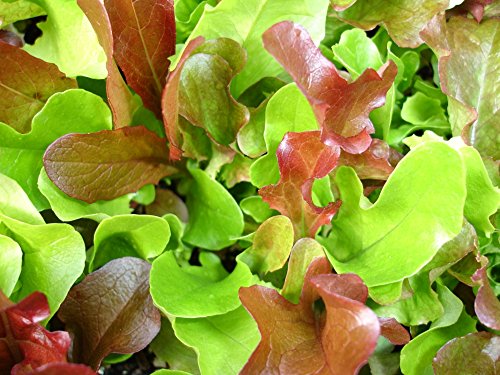
This is the real Mesclun salad mix: arugula, cicoria, enddive, red cabbage and various varieties of red and green lettuce. Harvest early for the best taste and look for re-growth. Best in cold weather (55-60 degrees). 28-35 days $1.69 Flat rate shipping: mix and match varieties, no limit
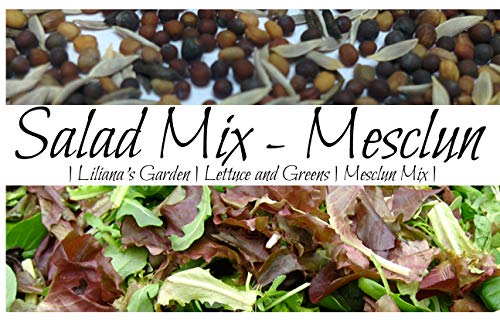
Yields and average of 180 salad leaf plants including varieties of arugula, endive, mustard greens, and more. Yields roughly 32 lbs of mature greens after just a full growing season, 40 days for baby greens.
Direct Sowing Seeds
Direct sowing is a simple method for planting salad lettuce. Follow these steps:
- Choose the Right Time: Plant seeds in early spring or fall, when temperatures range from 60°F to 70°F.
- Prepare the Soil: Use well-draining, nutrient-rich soil. Sow seeds about ¼ to ½ inch deep.
- Seed Spacing: Space seeds approximately 1 to 2 inches apart to provide enough room for growth.
- Watering: Water gently after planting to keep the soil moist. Avoid overwatering, as it can cause seed rot.
- Thinning: Once seedlings emerge, thin them to about 4 to 6 inches apart. This step helps prevent overcrowding and promotes airflow.
Transplanting Seedlings
Transplanting seedlings allows for earlier planting indoors and promotes stronger plants. Follow these guidelines:
- Start Indoors: Sow seeds in seed trays 4 to 6 weeks before the last frost. Use a light seed-starting mix.
- Transplant Timing: Transplant seedlings outdoors when they reach 2 to 4 inches tall and the risk of frost has passed.
- Hardening Off: Gradually acclimate seedlings to outdoor conditions by placing them outside for a few hours each day over a week.
- Planting Depth: Dig holes in the garden about 6 inches apart. Place seedlings in the holes at the same depth they were growing in the trays.
- Water Thoroughly: Water well after transplanting to settle the soil and reduce transplant shock.
By following these planting techniques, you create optimal conditions for salad lettuce, ensuring vibrant growth and delicious flavors.
Maintaining Salad Lettuce Growth
Maintaining salad lettuce growth requires consistent attention to key factors like watering, fertilization, pest management, and disease prevention. This ensures healthy and vibrant plants, leading to a rewarding harvest.
Recommended Products

Protect your oasis with 3 garden products in 1 from Captain Jack’s; Bonide Captain Jack’s Ready-to-Use Neem Oil spray for plants is a multi-purpose fungicide, insecticide and miticide for your lawn & garden

FUNGAL DISEASE CONTROL: Prevents and controls black spot on roses, powdery mildew, rust, downy mildew, and other listed fungal diseases when applied on a 7–14 day schedule

PLANT DISEASE CONTROL: Natria Neem Oil acts as an insecticide and fungicide in one convenient spray; Ready-to-use trigger sprayer requires no mixing
Watering and Fertilization
Water salad lettuce regularly, aiming for about 1 inch of water per week. Ensure the soil remains moist but not waterlogged. Early morning is the best time to water, allowing time for leaves to dry and reducing the risk of disease. Use a drip irrigation system or soaker hoses for efficient watering.
Fertilize every four weeks during the growing season. Use a balanced, all-purpose liquid fertilizer, following manufacturer instructions. Consider organic options, such as compost tea or fish emulsion, for a nutrient boost. Apply fertilizer when you water to help nutrients reach the roots.
Pest and Disease Management
Monitor your salad lettuce for common pests like aphids, slugs, and caterpillars. Look for signs of damage, such as holes in leaves or sticky residue. Use insecticidal soap or neem oil to treat minor infestations. Hand-pick larger pests like slugs and caterpillars.
Prevent diseases by ensuring good air circulation around plants. Avoid overcrowding and space your lettuce adequately. Rotate crops each year to reduce the risk of soil-borne diseases. If you notice leaf spots or wilting, remove affected plant parts immediately to stop the spread of disease.
Harvesting Your Salad Lettuce
Harvesting salad lettuce at the right time ensures the best flavor and texture. Knowing when and how to harvest makes a significant difference in your garden’s success.
Signs of Readiness for Harvest
Look for certain indicators that signal your salad lettuce is ready for harvest.
- Leaf Size: Lettuce leaves should reach about 4 to 6 inches in length for most varieties.
- Color: Leaves turn vibrant in color, indicating they’ve matured.
- Firmness: Gently squeeze the head; it should feel firm but not overly tight.
- Taste: Sample a leaf. If it tastes sweet and fresh, it’s prime for picking.
Harvesting too early yields smaller leaves, while waiting too long results in bolting, where the plant flowers and produces a bitter taste.
Proper Harvesting Techniques
Use specific techniques to ensure you harvest your lettuce correctly.
- Cutting Method: Use a sharp pair of garden scissors or shears. Cut the leaves just above the soil line, leaving the base intact.
- Timing: Harvest in the morning when leaves are crisp and full of moisture. This maximizes freshness and flavor.
- Group Harvesting: If you grow different types, harvest all at once to prevent wilting.
- Cleanliness: Avoid disease by washing your tools prior to use. This reduces the risk of contaminating your harvest.
By following these signs and techniques, you’ll ensure a successful and delicious salad lettuce crop.
Conclusion
Growing your own salad lettuce is a fantastic way to elevate your meals and enjoy the freshest flavors right from your garden. With a little effort and care you can create a vibrant patch of greens that not only tastes great but also contributes to your health.
Remember to choose the right varieties that suit your taste and space. By paying attention to sunlight soil and watering needs you’ll set yourself up for a bountiful harvest. Plus the joy of picking your own crisp lettuce is truly rewarding.
So grab those seeds and get started on your salad lettuce journey. You’ll be amazed at the difference it makes in your kitchen. Happy gardening!
Frequently Asked Questions
What are the benefits of growing my own salad lettuce?
Growing your own salad lettuce guarantees fresh, crisp leaves harvested right from your garden. You can enjoy better flavor and texture than store-bought varieties. Additionally, it’s a rewarding experience offering health benefits due to its high fiber, essential vitamins, and low calorie count.
What types of salad lettuce can I grow?
You can grow various types of salad lettuce, including romaine, butterhead, iceberg, leaf lettuce, and mesclun. Each type offers unique flavors and textures, allowing you to create diverse and flavorful salads.
How do I prepare my garden for planting salad lettuce?
Choose a location with at least 6 hours of direct sunlight and protection from strong winds. Test the soil pH and amend it with compost to improve fertility. Tilling the soil and adding balanced fertilizer will also promote healthy growth.
What are the best planting techniques for salad lettuce?
Directly sow seeds in well-draining soil during early spring or fall, ensuring appropriate spacing. Alternatively, start seeds indoors and gradually acclimate them before transplanting. This ensures optimal conditions for growth and flavor.
How should I maintain my salad lettuce?
Water regularly, aiming for about 1 inch of water per week. Fertilize every four weeks with a balanced fertilizer. Monitor for pests and diseases and practice good air circulation and crop rotation to prevent issues.
When is the best time to harvest salad lettuce?
Harvest salad lettuce when leaves have reached an ample size, with good color and firmness. Use sharp scissors for cutting just above the soil line, preferably in the morning, to ensure freshness and flavor.
