

Growing potatoes from sprouts is an effective method for homeowners looking to maximize their garden yield. This process, often referred to as “chitting,” allows you to produce healthy potato plants from sprouted tubers, ensuring a robust harvest.
Essential Tools for Growing Potatoes
Growing potatoes from sprouts can be a rewarding endeavor, but having the right tools is crucial for success. This section outlines the essential equipment and supplies you’ll need to ensure your potato-growing journey is both efficient and productive. With the right preparation, you can cultivate a bountiful harvest right in your own backyard.
Before starting the process, ensure you have the right tools and materials. This will streamline your efforts and increase your chances of success. The following items are necessary for growing potatoes from sprouts:
Seed potatoes with visible sprouts
Potting mix or well-draining soil
Containers or garden beds
Watering can or hose
Mulch to retain moisture
| Item | Purpose |
|---|---|
| Seed potatoes | Source of sprouts |
| Potting mix | Provides nutrients |
| Containers | Holds soil and plants |
| Watering can | Ensures proper hydration |
| Mulch | Prevents moisture loss |
Seed Potato Preparation for Successful Sprouting
Preparing your seed potatoes is crucial for successful sprouting. Choose healthy tubers that are firm and free from blemishes. Cut larger potatoes into pieces, ensuring each piece has at least one sprout. Allow the cut pieces to dry for 24 hours to form a protective layer.
Select firm seed potatoes
Cut into pieces with sprouts
Dry for 24 hours
Optimal Conditions for Potato Growth
Creating the right environment is crucial for successful potato growth from sprouts. Understanding the optimal conditions, including soil type, temperature, and moisture levels, can significantly enhance your yield. This section will guide you through the essential factors to ensure your potato plants thrive and produce a bountiful harvest.
Potatoes thrive in specific conditions. Create an environment that promotes healthy growth by following these guidelines.
Choose a location that receives full sun for at least 6 hours daily. Ensure the soil is well-draining to prevent rot.
Select a sunny spot
Use well-draining soil
Maintain soil pH between 5.8 and 6.5
Planting Sprouted Potatoes Effectively
Once your seed potatoes are ready and the environment is set, it’s time to plant. Dig holes or prepare containers with potting mix. Place the sprouted potatoes in the soil with the sprouts facing up. Cover them with soil and water thoroughly.
Dig holes or prepare containers
Place potatoes with sprouts up
Cover with soil and water
Potato Sprout Watering and Care Tips
Successfully growing potatoes from sprouts requires careful attention to watering and care. Proper moisture levels and nurturing techniques can significantly impact the health and yield of your potato plants. This section provides essential tips to ensure your sprouts thrive and produce a bountiful harvest.
Proper watering and maintenance are essential for potato growth. Monitor soil moisture regularly, ensuring it remains consistently damp but not waterlogged. Apply mulch around the plants to retain moisture and suppress weeds.
Water consistently without overwatering
Apply mulch to retain moisture
Check for pests and diseases regularly
Timing and Techniques for Potato Harvest
Timing and techniques play a crucial role in successfully harvesting potatoes grown from sprouts. Understanding when to dig up your potatoes and the methods to ensure a bountiful yield can make all the difference in your gardening experience. This section will guide you through the optimal timing and effective techniques for harvesting your potato crop.
Harvesting is a rewarding part of growing potatoes. Wait until the foliage turns yellow and begins to die back, indicating that the potatoes are ready. Carefully dig around the base of the plants to avoid damaging the tubers.
Wait for foliage to yellow
Dig carefully around the plants
Collect tubers and store properly
Potato Growth Problem Solutions
Growing potatoes from sprouts can sometimes lead to unexpected challenges. Understanding common growth problems and their solutions is essential for ensuring a healthy and productive crop. This section will address typical issues homeowners may encounter and provide practical strategies to overcome them.
Even with careful planning, issues may arise during the potato-growing process. Identifying and addressing these problems early can save your crop. Common issues include:
Pests such as aphids and beetles
Diseases like blight and rot
Nutrient deficiencies leading to poor growth
| Issue | Solution |
|---|---|
| Pests | Use organic insecticides |
| Diseases | Remove affected plants |
| Nutrient deficiencies | Apply balanced fertilizer |
Recommended Products

READY-TO-USE CONTACT SPRAY: No mixing required. Thoroughly spray insecticide on all plant parts, including the underside of leaves. Pests must be sprayed directly to achieve control
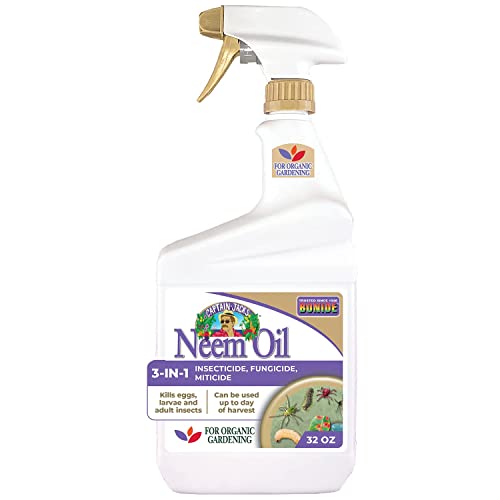
MULTI-PURPOSE BUG KILLER - Bonide Neem Oil is a perfect pest control solution for any garden dealing with mites, flies, mildew, and more. This product is a three-in-one fungicide, miticide, and insecticide.
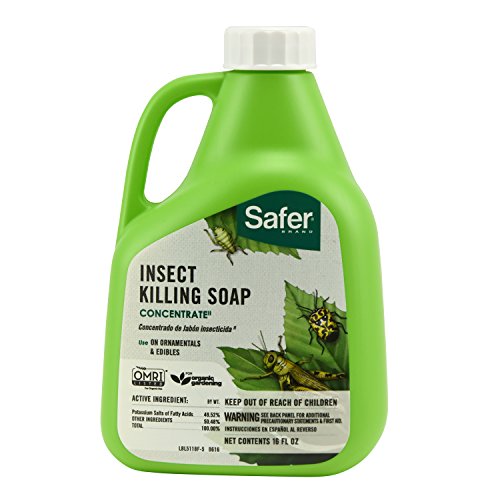
GENTLE ON MOST PLANTS - This aphid spray is ideal for use on flowers, herbs, vegetables, houseplants, lawn, tree, shrubs, and more
Potato Varieties for Enhanced Yields
Choosing the right potato varieties is crucial for maximizing your yields when growing from sprouts. Different types of potatoes offer unique benefits in terms of growth rate, disease resistance, and flavor. This section will explore several varieties that can help you achieve a bountiful harvest in your home garden.
Different potato varieties can yield different results. Experimenting with various types can enhance your gardening experience. Consider planting:
Yukon Gold for creamy texture
Russet for baking and frying
Red Bliss for salads and boiling
Each variety has unique characteristics that can suit various culinary needs.
Recommended Products

Classic Russet Burbank Potato: Popular seed potatoes for planting that produce large, oblong tubers with characteristic brown russeted skin and bright white flesh, an excellent choice for home vegetable gardens, raised beds, homesteads and containers

VARIETY TYPE: Yukon Gold is a determinate potato variety, meaning tubers form in one main layer near the seed piece and mature uniformly for a concentrated harvest window, ideal for home gardens and raised beds

Whole Certified Seed Tubers Grown And Raised In the USA Are Non GMO So Can Be Grown Organicaly
Essential Care for Thriving Potato Plants
To ensure your potato plants flourish after sprouting, it’s crucial to provide them with the right care. This section outlines the essential practices that will help you nurture your plants, from soil preparation to watering techniques, enabling you to maximize your potato yield and enjoy a bountiful harvest.
Consistent care and monitoring are key to successful potato growth. Keep an eye on weather conditions and adjust your watering schedule accordingly. Regularly check for pests and diseases to ensure healthy plants.
Avoid overcrowding your plants to allow for proper airflow. This will help prevent disease and promote robust growth.
Following these steps will lead to a bountiful potato harvest.
