

Growing cucumbers requires careful attention to soil, sunlight, and water. By selecting the right variety and following proper cultivation techniques, you can achieve a bountiful harvest.
Cucumber Varieties and Growth Requirements
Understanding the different cucumber varieties and their specific growth requirements is essential for successful cultivation. Each type of cucumber has unique characteristics that influence its growing conditions, including sunlight, soil type, and watering needs. This section delves into the various cucumber varieties and provides detailed insights into how to create the ideal environment for each.
Cucumbers come in several varieties, each with unique characteristics. The most common types include slicing cucumbers, pickling cucumbers, and burpless cucumbers. Each variety has specific growth requirements regarding space, sunlight, and water.
Slicing Cucumbers: Typically larger and thicker-skinned, ideal for fresh eating.
Pickling Cucumbers: Smaller and bumpy, perfect for canning.
Burpless Cucumbers: Milder flavor, easier to digest.
Choosing the right variety for your climate and intended use is crucial for successful cultivation.
Soil Preparation for Healthy Cucumbers
Preparing the right soil is crucial for cultivating healthy cucumbers. This section covers essential steps to ensure your soil is nutrient-rich and well-drained, creating the ideal environment for cucumber plants to thrive. By focusing on soil quality, you can significantly enhance your crop yield and overall plant health.
Proper soil preparation is essential for healthy cucumber plants. Cucumbers thrive in well-draining, nutrient-rich soil with a pH of 6.0 to 6.8.
Test Soil: Use a soil test kit to determine pH and nutrient levels.
Amend Soil: Add compost or well-rotted manure to enhance fertility.
Tillage: Loosen the soil to a depth of at least 12 inches for optimal root growth.
Creating a suitable environment will set the stage for strong plant development.
Optimal Timing for Cucumber Planting
Understanding the optimal timing for planting cucumbers is crucial for a successful harvest. This section delves into the ideal conditions and seasonal considerations that can significantly impact growth and yield. By aligning your planting schedule with these factors, you can ensure your cucumber plants thrive throughout the growing season.
Timing is critical when planting cucumbers. They are warm-season crops that require temperatures above 60°F for optimal germination.
Direct Sowing: Plant seeds outdoors after the last frost date.
Transplanting: Start seeds indoors 3-4 weeks before the last frost for earlier harvests.
Consider local climate conditions to determine the best planting window for your area.
Optimal Watering and Fertilization Techniques
To cultivate healthy cucumbers, understanding the right watering and fertilization techniques is crucial. These factors significantly influence growth, yield, and fruit quality. By following best practices in hydration and nutrient application, you can ensure your cucumber plants thrive throughout the growing season.
Cucumbers need consistent moisture and nutrients to thrive. Watering and fertilizing appropriately will support healthy growth and fruit production.
Watering: Provide 1-2 inches of water per week, focusing on the root zone.
Fertilizing: Use a balanced fertilizer every 3-4 weeks during the growing season.
Maintaining adequate moisture and nutrient levels is essential for preventing blossom drop and ensuring fruit set.
Effective Pest Control for Cucumbers
Cucumbers are susceptible to various pests that can hinder their growth and yield. Understanding effective pest control methods is essential for maintaining healthy plants and ensuring a bountiful harvest. This section explores practical strategies to protect your cucumber crops from common pests and diseases.
Cucumbers are susceptible to various pests and diseases that can hinder growth. Regular monitoring and preventive measures are essential.
Common Pests: Aphids, cucumber beetles, and spider mites can damage plants.
Diseases: Powdery mildew and downy mildew are common fungal infections.
Implement integrated pest management strategies, including crop rotation and the use of resistant varieties, to minimize damage.
Recommended Products
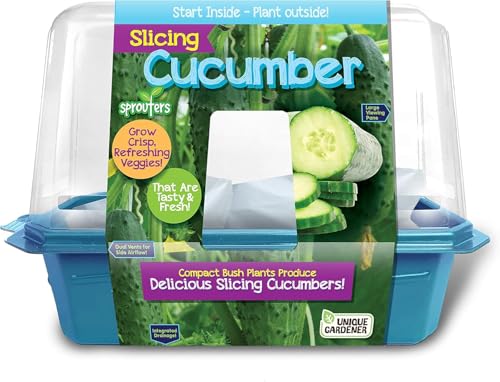
UNMATCHED FRESHNESS AND FLAVOR: Imagine savoring cucumbers straight from your home garden, bursting with flavor and crispness that store-bought veggies just can't match. By growing your cucumbers, you ensure a supply of fresh, and crisp cucumbers not go well with any dish.

Powerful Plant Gnat Sticky Traps: you will receive a full kit with 25 dual-sided yellow traps and 25 sturdy wire holders, these bright yellow sticky traps for plant gnats attract and capture fungus gnats, fruit flies, whiteflies, mosquito bits, and other flying plant pests, which can offer excellent value for gardeners, farmers, or pest control professionals needing efficient and reusable insect monitoring tools

Great for capturing White Flies, Aphids, Fungus Gnats, Leaf Miners & Thrips.
Optimal Cucumber Harvest Timing for Flavor
Timing your cucumber harvest is crucial for achieving the best flavor and texture. Cucumbers that are picked at the right moment not only taste better but also contribute to a more productive growing season. Understanding the signs of ripeness will help you enjoy the freshest cucumbers straight from your garden.
Timing your harvest is crucial for flavor and texture. Cucumbers should be picked when they are firm and green, avoiding overripe fruit.
Slicing Cucumbers: Harvest when they reach 6-8 inches in length.
Pickling Cucumbers: Pick when they are 3-5 inches long.
Regular harvesting encourages continuous production and prevents overripening.
Cucumber Growth Issue Solutions
Cucumbers are a popular garden crop, but they can face various growth challenges that hinder their development. Understanding these issues is crucial for successful cultivation. This section explores common problems encountered during cucumber growth and offers practical solutions to help gardeners achieve a bountiful harvest.
Cucumber growers may encounter various issues that affect yield. Identifying and addressing these problems promptly can save your crop.
| Problem | Symptoms | Solutions |
|---|---|---|
| Blossom Drop | Flowers fall off without fruit | Ensure adequate pollination and consistent watering |
| Yellow Leaves | Nutrient deficiency or disease | Test soil and adjust fertilization |
| Wilting Plants | Underwatering or root rot | Check soil moisture and drainage |
Being proactive in identifying issues will help maintain a healthy cucumber crop.
Vertical Gardening Techniques for Cucumber Growth
Vertical gardening techniques can significantly enhance cucumber growth by maximizing space and improving air circulation. By utilizing trellises, cages, or other support structures, gardeners can encourage healthy vine development while making harvesting easier. This approach not only boosts yield but also helps prevent common pests and diseases associated with ground-level gardening.
Vertical gardening can maximize space and improve air circulation for cucumber plants. This method is especially useful in small gardens or urban settings.
Trellises: Install sturdy trellises to support climbing varieties.
Containers: Use large pots or raised beds for easy access and mobility.
Vertical gardening not only saves space but also enhances sunlight exposure, leading to better yields.
