

Growing a small garden can be a rewarding experience that enhances your outdoor space and provides fresh produce. To start successfully, select the right location, prepare the soil, and choose suitable plants for your climate. Following these steps will help you cultivate a thriving garden.
Choose the Right Location for Your Garden
Selecting the ideal location for your small garden is crucial for its success. Factors such as sunlight, accessibility, and soil quality play significant roles in determining the health of your plants. Understanding these elements will help you create a thriving garden space that meets the needs of your chosen plants.
Selecting an optimal location is crucial for your garden’s success. Look for a spot that receives at least six hours of sunlight daily. Ensure the area has good drainage to prevent waterlogging, which can harm plant roots.
Consider proximity to a water source for easy irrigation. Avoid areas with heavy foot traffic or excessive shade from trees or buildings.
Optimal Sunlight Conditions for Small Gardens
Understanding the importance of sunlight is crucial for cultivating a thriving small garden. This section delves into the optimal sunlight conditions necessary for various plants, helping beginners ensure their garden receives the right amount of light to flourish. By mastering these fundamentals, you can create a vibrant and productive outdoor space.
Sunlight exposure
Drainage quality
Accessibility to water
Protection from wind
Soil Testing and Amendment Techniques
Understanding the quality of your soil is essential for a thriving small garden. This section delves into effective soil testing methods and amendment techniques that will enhance soil health, ensuring your plants receive the nutrients they need to flourish. By following these guidelines, you can create a strong foundation for your gardening success.
Soil preparation is essential for healthy plant growth. Start by testing your soil’s pH and nutrient levels.
You can purchase a soil test kit from gardening stores. Based on the results, you may need to amend the soil.
Incorporate organic matter such as compost or well-rotted manure to improve soil structure and fertility. This will enhance moisture retention and provide essential nutrients for your plants.
Recommended Products
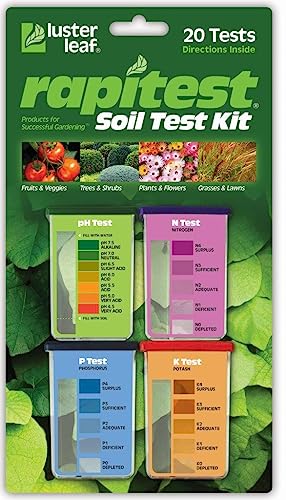
Quick, at home results for Soil pH, Nitrogen, Phosphorous and Potash Innovative and inexpensive soil test kit features an easy-to-use capsule system and patented color comparators

KNOW BEFORE YOU GROW | Grow the healthiest, sustainable lawn and garden with the most accurate and easy to use professional soil test kit on the market
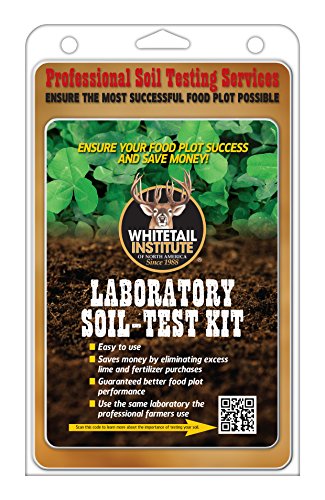
ENSURE the most SUCCESSFUL food plot possible
Soil Testing and Preparation Guide
Understanding soil quality is crucial for any successful garden. This section will guide you through the essential steps of testing and preparing your soil, ensuring it provides the right nutrients and structure for your plants. With the right foundation, your small garden can thrive and yield a bountiful harvest.
Test soil using a kit.
Amend soil with compost.
Till soil to mix amendments.
Level soil for even planting.
| Soil Type | pH Level | Nutrient Content | Drainage Quality |
|---|---|---|---|
| Sandy | 6.0-7.0 | Low | Excellent |
| Clay | 6.0-7.0 | High | Poor |
| Loamy | 6.0-7.5 | Moderate | Good |
Choosing Climate-Suitable Garden Plants
Selecting the right plants for your garden is crucial for its success, especially for beginners. Understanding your local climate and its unique conditions will help you choose plants that thrive in your environment. This section will guide you through the process of identifying climate-suitable plants to ensure a flourishing garden.
Choosing plants suited to your local climate will increase your chances of success. Research your hardiness zone to determine which plants thrive in your area. Consider starting with easy-to-grow vegetables and herbs such as tomatoes, lettuce, and basil.
You can also select native plants that require less maintenance and are more resilient to local pests and diseases.
Best Vegetables for Small Gardens
Choosing the right vegetables is crucial for maximizing the potential of a small garden. Certain varieties thrive in limited space and can yield abundant harvests, making them ideal for beginners. This section highlights the best vegetables suited for compact gardens, ensuring you make the most of your gardening experience.
Vegetables: Carrots, radishes, and peppers
Herbs: Mint, rosemary, and cilantro
Flowers: Marigolds and zinnias
Essential Watering Strategies for Small Gardens
Watering is a crucial aspect of maintaining a thriving small garden, as it directly impacts plant health and growth. Understanding the right techniques and timing can make a significant difference in your garden’s success. This section outlines essential watering strategies tailored for beginners, ensuring your plants receive the moisture they need to flourish.
Proper watering is vital for plant health. Overwatering can lead to root rot, while underwatering can stress plants. Establish a consistent watering schedule based on your plants’ needs and the weather conditions.
Consider using a drip irrigation system for efficient water delivery. This method reduces evaporation and ensures water reaches the roots directly.
Recommended Products

Be a Gardening Master with the help of our superior and complete Drip Irrigation Kit: 10 Drip Irrigation Emitters Vortex + 20 Drip Emitters Spray + 50ft flexible & durable 5/16 irrigation tubing + 50ft 1/4 inch Drip Irrigation Tubing + 12 tubing coupler + 5 ¼ Tubing Tee Splitter + Tubing End Plugs + Water Connector + 1 x Complete Instructions Guide Hard Copy + 2 Grow your Own Vegetables & Fruits Guide full with pieces of advice and practical tips Digital Format.

【Indoor & Outdoor Versatility, All-Season Smart Irrigation】:HEKIWAY Designed for year-round convenience, this automatic drip irrigation system works seamlessly both indoors and outdoors. During winter, simply charge it via the Type-C port to ensure continuous watering for your indoor plants—even in cold weather. In warmer seasons, the solar panel powers the system automatically, delivering worry-free, energy-efficient watering all day long

Convenient and portable storage kit contains 102 professional grade universal Drip irrigation parts
Morning Watering Techniques for Small Gardens
Morning watering is crucial for small gardens, as it helps plants absorb moisture before the heat of the day sets in. Proper techniques can enhance water efficiency and promote healthy growth. This section will explore effective methods to ensure your garden receives the right amount of hydration each morning.
Water early in the morning.
Check soil moisture before watering.
Use mulch to retain moisture.
Install drip irrigation for efficiency.
Monitor and Maintain Your Garden Regularly
Regular monitoring and maintenance are crucial for the success of your small garden. By keeping a close eye on plant health, soil conditions, and pest activity, you can make timely adjustments that promote growth and prevent issues. This section will guide you through essential practices to ensure your garden thrives throughout the growing season.
Regular maintenance is key to a thriving garden. Keep an eye out for pests and diseases, and address any issues promptly. Prune plants as necessary to promote healthy growth and remove dead or diseased foliage.
Weed your garden regularly to reduce competition for nutrients and water.
Pest Inspection Schedule for Small Gardens
Maintaining a small garden requires vigilance, particularly when it comes to pest management. Establishing a pest inspection schedule is crucial for early detection and prevention, ensuring your plants remain healthy and productive. This section outlines practical steps to create an effective inspection routine tailored for beginners.
Inspect plants weekly for pests.
Water according to weather conditions.
Fertilize every 4-6 weeks.
Mulch to suppress weeds.
Optimal Timing for Garden Harvest
Understanding the optimal timing for harvesting your garden is crucial for maximizing flavor and yield. This section will guide you through the best practices for determining when to pick your fruits and vegetables, ensuring you enjoy the freshest produce possible. By following these timing tips, you can enhance your gardening experience and make the most of your small garden.
Harvesting at the right time ensures the best flavor and quality. Most vegetables are best picked when they are young and tender. Use clean, sharp tools to avoid damaging plants during harvest.
Store your produce properly to maintain freshness.
Morning Vegetable Harvesting Techniques
Harvesting vegetables in the morning can significantly enhance the quality and flavor of your produce. This section will explore effective techniques for gathering your morning bounty, ensuring that you maximize freshness and minimize damage to your plants. By following these methods, you’ll set the stage for a successful and rewarding gardening experience.
Pick vegetables in the morning.
Use scissors for delicate plants.
Store produce in a cool, dry place.
Growing a small garden involves careful planning and consistent effort. By following these guidelines, you can create a productive and enjoyable gardening experience.
