

Growing onions from bulbs is a straightforward process that can yield a bountiful harvest. By selecting quality bulbs and following proper planting techniques, you can cultivate healthy onions in your garden or containers.
Essential Supplies for Growing Onions
Growing onions from bulbs requires careful preparation and the right tools. This section outlines the essential supplies you need to ensure a successful onion harvest, from selecting quality bulbs to the necessary gardening equipment. With the right materials at hand, you can create an optimal environment for your onions to thrive.
Before starting, ensure you have all necessary supplies. This will streamline your planting process and improve your chances of success. Key items include:
Onion bulbs: Choose disease-resistant varieties suitable for your climate.
Garden soil: Use well-draining, nutrient-rich soil.
Fertilizer: Select a balanced fertilizer for optimal growth.
Watering can or hose: Ensure consistent moisture levels.
Mulch: Helps retain moisture and suppress weeds.
Onion Planting Area Preparation Steps
Preparing the planting area is crucial for successfully growing onions from bulbs. This process involves selecting the right location, ensuring proper soil conditions, and implementing effective weed control measures. By following these essential steps, you can create an optimal environment that promotes healthy onion growth and maximizes your harvest.
Preparing your planting area is crucial for healthy onion growth. Choose a location that receives full sunlight for at least six hours daily. Clear the area of weeds and debris to prevent competition for nutrients.
Soil preparation steps:
Test soil pH: Aim for a pH between 6.0 and 7.0.
Amend soil: Mix in compost or aged manure to enrich the soil.
Loosen soil: Till the soil to a depth of at least 12 inches.
Onion Bulb Planting Techniques
Planting onion bulbs requires careful attention to technique to ensure a successful harvest. Understanding the best practices for spacing, depth, and timing can significantly impact growth and yield. This section will provide essential methods for planting onion bulbs effectively, setting the foundation for a thriving onion crop.
Planting onion bulbs correctly is vital for a successful harvest. Follow these steps to ensure proper growth.
Dig holes: Create holes 1-2 inches deep, spaced 4-6 inches apart.
Place bulbs: Position bulbs with the pointed end facing up.
Cover bulbs: Gently cover with soil, ensuring they are not buried too deep.
Water thoroughly: After planting, water the area to settle the soil around the bulbs.
Maintain Optimal Growing Conditions
To successfully grow onions from bulbs, it’s essential to maintain optimal growing conditions throughout their development. This section will explore the key factors that influence onion growth, including soil quality, temperature, and moisture levels. Understanding these elements will help ensure a bountiful harvest of flavorful onions.
Once planted, maintaining the right conditions is essential. Regular monitoring will help ensure healthy growth.
Watering: Keep soil consistently moist but not soggy. Water deeply once a week.
Fertilizing: Apply a balanced fertilizer every four weeks during the growing season.
Weed control: Regularly remove weeds to reduce competition for nutrients.
Pest and Disease Inspection Techniques
Inspecting your onion plants for pests and diseases is crucial to ensuring a healthy harvest. By employing effective techniques, you can identify early signs of trouble and take appropriate action. This section will guide you through the essential methods for monitoring your onion crops, helping you maintain their vitality throughout the growing season.
Pests and diseases can hinder onion growth. Regularly inspect your plants for signs of trouble. Common issues include:
| Pest/Disease | Symptoms | Treatment |
|---|---|---|
| Onion maggot | Wilting leaves | Use insecticidal soap |
| Downy mildew | Yellowing leaves | Improve air circulation |
| Fungal rot | Soft, mushy bulbs | Avoid overwatering |
Onion Harvesting and Storage Techniques
Harvesting and storing onions properly is crucial for maximizing their flavor and longevity. Understanding the right techniques ensures that your hard work in growing onions from bulbs pays off, allowing you to enjoy fresh onions well beyond the growing season. This section will guide you through the best practices for harvesting and storing your onion crop effectively.
Knowing when and how to harvest is crucial for maximizing yield. Onions are ready to harvest when the tops begin to yellow and fall over. Follow these steps for harvesting and storing:
Lift bulbs: Use a garden fork to gently lift bulbs from the soil.
Cure onions: Place harvested onions in a dry, shaded area for 2-3 weeks to cure.
Trim tops: Cut tops to about one inch above the bulb.
Store properly: Store cured onions in a cool, dark place with good ventilation.
Onion Bulb Growth Challenges and Solutions
Growing onions from bulbs can present various challenges that may hinder their development. Understanding these common issues, such as pests, diseases, and environmental factors, is crucial for successful cultivation. This section will explore these challenges and provide practical solutions to ensure your onion plants thrive.
Even with careful planning, issues may arise. Here are some common problems and their solutions:
Slow growth: Check for nutrient deficiencies or poor soil conditions.
Rotting bulbs: Ensure proper drainage and avoid overwatering.
Small bulbs: Ensure adequate spacing and sunlight exposure.
Recommended Products
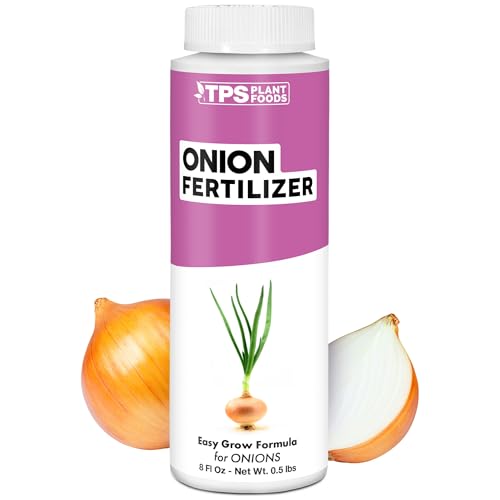
Supports Bulb Development & Growth – This onion plant food helps promote strong roots, healthy foliage, and proper bulb formation.


Produces small onion bulbs and top sets for continuous harvest
Choosing Onion Varieties for Maximum Harvest
Selecting the right onion variety is crucial for achieving a bountiful harvest. Different types of onions thrive in various climates and soil conditions, so understanding your local environment and personal preferences will guide your choices. This section will explore the best onion varieties to consider for optimal growth and yield.
Choosing the right onion variety can significantly impact your harvest. Consider these popular types:
Yellow onions: Versatile and suitable for various dishes.
Red onions: Great for salads and grilling.
White onions: Mild flavor ideal for cooking.
Recommended Products

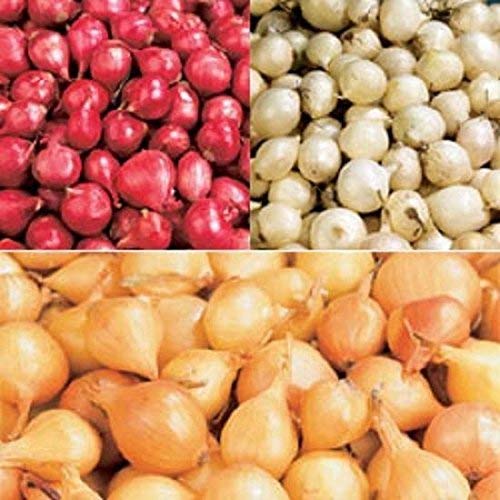
Versatile Onion Variety Mix: Red, white, and yellow onion set mix featuring intermediate, day-neutral, and long-day varieties suitable for home gardens in Zones 3-10

8 ONION VARIETIES WITH DISTINCT ADVANTAGES AND UNIQUE FEATURES. A diverse range of unusual flavors, shapes, and colors, from sweet to pungent. Perhaps it’s time to welcome something new to your garden. Diversity is the key to an interesting and abundant harvest. Why not discover new aspects of a familiar vegetable when nature offers such rich choices? Amazing variations of this valuable everyday product will delight your taste buds. Many dishes are unimaginable without these vegetables.
Essential Practices for Bulb Onion Cultivation
Growing onions from bulbs can be a rewarding endeavor, providing a flavorful addition to your kitchen. To ensure a successful harvest, it’s essential to understand the key practices that promote healthy growth and robust yields. This section outlines the fundamental techniques for cultivating bulb onions effectively.
Growing onions from bulbs can be rewarding with the right approach. Focus on quality bulbs, optimal planting conditions, and diligent care. Regular monitoring will help you catch issues early and ensure a successful harvest.
