

Have you ever thought about growing your own romaine lettuce? Imagine stepping into your backyard and picking fresh, crisp leaves for your salad. It’s not just a dream; it’s something you can easily do at home, even if you’re new to gardening.
Key Takeaways
- Selecting Seeds: Choose from various types of romaine lettuce seeds such as Traditional, Butterhead, Mini, Red, and Heirloom varieties to suit your gardening preferences and climate.
- Soil Preparation: Ensure well-drained, nutrient-rich soil with a pH level between 6.0 and 7.0 for optimal growth, incorporating compost and other soil amendments for enhanced fertility.
- Planting Timing: Plant seeds in early spring or late summer, with appropriate spacing and soil temperature, to maximize the chances of a successful harvest.
- Care and Maintenance: Regularly water your romaine lettuce to keep the soil moist, apply a nitrogen-rich fertilizer every 4-6 weeks, and monitor for pests to ensure healthy growth.
- Harvesting Techniques: Recognize signs of maturity and use proper cutting techniques to harvest without damaging the leaves, ensuring the best flavor and freshness.
- Community Resources: Engage with local garden centers, farmers’ markets, and gardening clubs to access quality seeds and expert advice tailored to your specific growing conditions.
Choosing The Right Seeds
Selecting the right seeds is vital for a successful romaine lettuce garden. You can choose from various types, each offering unique flavors and growing characteristics.
Recommended Products
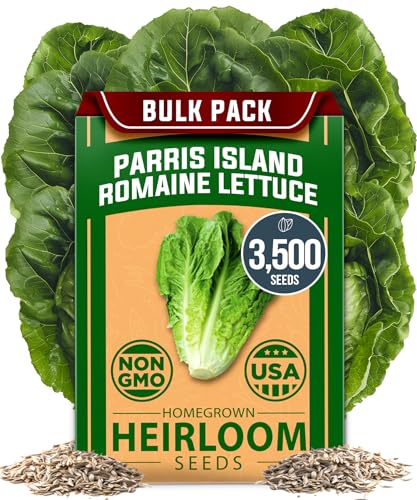
HIGH GERMINATION RATE FOR RELIABLE GROWTH - Our Parris Island Romaine Lettuce Seeds boast an impressive germination rate. High quality and rapid sprouting heirloom lettuce seeds ensuring a bountiful harvest for your vegetable garden.


4 Popular Heirloom Lettuce Varieties: Includes Red Romaine, Bibb Butterhead, Black Seeded Simpson, and Green Ice lettuce seeds to grow crisp, tender, and colorful salad greens with balanced flavor, texture, and visual appeal.
Types Of Romaine Lettuce Seeds
- Traditional Romaine: Known for its tall, sturdy leaves, traditional romaine produces crisp, leafy heads. Varieties include
Valmaine, which thrives in cooler temps, andParris Island Cos, favored for its heat tolerance. - Butterhead Romaine: This type offers a softer leaves texture, often sweeter. Look for varieties like
Buttercrunchthat can withstand heat while remaining tender. - Mini Romaine: Ideal for smaller spaces, mini romaine varieties such as
Little Gemgrow compact heads. These plants mature quickly and are perfect for container gardening. - Red Romaine: For a splash of color, consider red romaine seeds like
Red Romaine. This variety not only looks attractive but also offers a slightly different taste profile. - Heirloom Varieties: Explore heirloom options for rich flavors and unique traits. Seeds like
Crispinoprovide a vintage flair and adaptability in various climates.
- Local Garden Centers: Visit your nearby garden center for fresh, region-specific seeds. Staff can offer advice based on local growing conditions.
- Online Seed Retailers: Explore reputable online retailers such as Burpee, Johnny’s Selected Seeds, or Baker Creek Heirloom Seeds. They provide a wide selection and detailed growing information.
- Farmers’ Markets: Check out local farmers’ markets for organic and heirloom seeds from trusted producers. You’ll often find unique varieties not available elsewhere.
- Seed Exchanges: Consider joining local gardening clubs or online forums to participate in seed exchanges. This community-driven approach allows you to obtain rare varieties while sharing your own.
- Big-Box Stores: Retailers like Home Depot and Walmart stock popular seed varieties. This option offers convenience if you prefer shopping in person.
Preparing The Soil
Preparing the right soil ensures your romaine lettuce thrives. Focus on achieving ideal soil conditions while incorporating necessary amendments.
Recommended Products

INDOOR GROWING: Growing indoors is easy under the right conditions; Miracle-Gro Houseplant Potting Mix is an indoor plant potting soil that combines key elements container plants need to thrive

Disease Resistant Salad Romaine : Parris Island Cos gardening seeds produce tall upright romaine lettuce head growth with crunchy midribs and juicy texture. Mosaic tolerant leaf lettuce seeds for planting outdoors thrive in USDA zones 3–9 with strong field performance.

You will receive a 2-cubic foot bag of potting soil and two customizable plant tags for labeling varieties and planting dates per purchase.
Ideal Soil Conditions
Romaine lettuce thrives in well-drained, loose soil with a pH level between 6.0 and 7.0. Aim for rich, organic matter to enhance growth. A topsoil depth of at least 12 inches allows for proper root development. If you’re planting in containers, choose pots that hold at least 5 gallons of soil. It’s beneficial to mix in compost to provide essential nutrients.
Soil Amendments
To improve soil quality, consider these amendments:
- Compost: Incorporate two to three inches of compost into the top layer of soil. This boosts nutrient content and enhances drainage.
- Peat Moss: Add peat moss to increase moisture retention, especially if your soil tends to dry out. Use about one part peat moss to three parts soil.
- Perlite or Vermiculite: Mix in these materials to improve aeration and drainage. A ratio of 1:4 perlite to soil is effective.
- Organic Fertilizer: Apply a balanced, slow-release organic fertilizer according to package instructions. This supports steady growth throughout the plant’s life cycle.
By ensuring ideal soil conditions and using the right amendments, you’ll create a thriving environment for your romaine lettuce.
Planting Romaine Lettuce
Planting romaine lettuce involves careful timing and proper techniques. Follow these guidelines to ensure a fruitful harvest.
When To Plant
Plant romaine lettuce seeds in early spring or late summer. Aim for a soil temperature between 45°F and 65°F for optimal germination. If you’re in a warmer climate, consider planting in the fall to avoid heat stress. Space your crops about two weeks apart for a continuous supply throughout the growing season.
Planting Techniques
Use the following steps for effective planting of romaine lettuce:
- Select a Location: Choose a spot that receives full sun for at least 6 hours daily.
- Prepare the Soil: Loosen the soil to about 12 inches deep. Mix in compost or organic fertilizer to enrich the soil.
- Water the Soil: Soak the planting area with water a day before sowing to ensure moisture.
- Sow Seeds: Plant seeds about 1/4 to 1/2 inch deep, spaced 12 inches apart in rows. For containers, space seeds adequately in a 5-gallon pot.
- Cover Gently: Lightly cover the seeds with soil, then pat down to eliminate air pockets.
- Water Again: Water gently to avoid displacing seeds. Keep the soil consistently moist until seedlings establish.
- Thin Seedlings: Once seedlings reach 2 inches tall, thin them to ensure healthy growth. Space remaining plants about 12 inches apart.
Following these steps leads to healthy romaine lettuce, perfectly suited for your garden or container.
Caring For Your Romaine Lettuce
Caring for your romaine lettuce involves specific considerations to ensure robust growth and a bountiful harvest. Focus on watering, fertilizing, and managing pests to keep your plants healthy.
Recommended Products

365 by Whole Foods Market products give you that dance-down-the-aisles feeling, virtual aisles too!

Selected and stored fresh

Selected and stored fresh
Watering Requirements
Watering your romaine lettuce consistently is crucial for optimal growth. Keep the soil moist but not soggy. Aim for about 1 to 1.5 inches of water per week, adjusting based on weather conditions. Water deeply to encourage strong root development. Early morning is the best time to water, minimizing evaporation and fungal diseases. Use mulch to retain moisture and reduce weeds, helping maintain a steady water supply.
Fertilization Schedule
A regular fertilization schedule supports healthy growth in romaine lettuce. Start with a balanced, slow-release fertilizer at planting time. Apply additional fertilizer every 4-6 weeks during the growing season. Use a nitrogen-rich fertilizer to promote leafy growth. If your soil needs testing, take advantage of local extension services. Soil tests can guide you on the nutrients your plants require, ensuring you’re not over-fertilizing or lacking essential elements.
Pest And Disease Management
Preventing pests and diseases is vital for a thriving garden. Regularly inspect your plants for signs of aphids, slugs, and lettuce root aphid. Employ natural pest control methods such as insecticidal soap or neem oil to manage outbreaks. Rotate crops yearly to decrease disease risks like downy mildew. Clean up plant debris after harvest to eliminate potential pest habitats. Encourage beneficial insects like ladybugs to help control aphid populations, ensuring a healthy garden ecosystem.
Harvesting Romaine Lettuce
Harvesting your romaine lettuce brings a sense of accomplishment. Knowing when and how to harvest ensures you enjoy fresh, crispy leaves.
Signs Of Maturity
Look for specific signs to determine when your romaine lettuce is ready.
- Leaves: Mature romaine has vibrant green leaves that are firm and crisp.
- Size: The lettuce should reach a height of 8 to 12 inches. This size typically indicates it’s matured enough for harvesting.
- Center: A developing head forms at the center. The tighter the head, the more mature your lettuce.
- Time: Generally, romaine takes about 70 to 80 days from planting to reach maturity.
How To Harvest Properly
Follow these steps to harvest your romaine lettuce effectively.
- Choose Time: Harvest in the morning when moisture levels are highest for the best flavor.
- Use Tools: Equip yourself with clean garden scissors or a sharp knife.
- Cut Leaves: If you want individual leaves, cut outer leaves about an inch above the base. For a whole head, slice the stem at the soil level.
- Avoid Damage: Handle leaves gently to prevent bruising. Place them in a basket or container.
- Wash and Store: Rinse harvested leaves in cool water. Store them in a refrigerator to maintain freshness.
By being attentive to these signs and following the harvesting steps, you’ll enjoy the crisp, fresh taste of homegrown romaine lettuce.
Conclusion
Growing your own romaine lettuce can be a rewarding experience that brings fresh flavors to your meals. By following the steps outlined in this guide you’ll be well on your way to enjoying crisp leaves right from your garden.
Whether you’re a seasoned gardener or just starting out you can achieve great results with a little patience and care. Remember to keep an eye on your plants and adjust your watering and fertilizing as needed.
Soon enough you’ll be harvesting your own romaine lettuce and savoring the satisfaction of homegrown goodness. Happy gardening and enjoy your delicious salads!
Frequently Asked Questions
How can I grow romaine lettuce at home?
Growing romaine lettuce is easy! Start by selecting the right seeds and preparing well-drained, nutrient-rich soil. Plant the seeds in early spring or late summer, ensuring the soil temperature is between 45°F and 65°F. Keep the soil consistently moist and provide regular care, including watering and fertilization.
What types of romaine lettuce should I consider?
You can choose from various romaine lettuce types, including traditional, butterhead, mini, red, and heirloom varieties. Each type has unique flavors and growing characteristics, allowing you to select what suits your taste and gardening preferences.
Where can I find romaine lettuce seeds?
You can find romaine lettuce seeds at local garden centers, online retailers, farmers’ markets, seed exchanges, and big-box stores. Each option offers a wide selection, so you can choose the seeds that best meet your gardening needs.
What soil conditions are best for growing romaine lettuce?
Romaine lettuce thrives in well-drained, loose soil with a pH level between 6.0 and 7.0. Aim for a topsoil depth of at least 12 inches for proper root development. If you’re using containers, ensure they hold at least 5 gallons of soil for sufficient growth.
When is the best time to plant romaine lettuce?
The ideal time to plant romaine lettuce is in early spring or late summer. Ensure the soil temperature is between 45°F and 65°F for optimal germination. This timing helps you take advantage of the growing season for a fruitful harvest.
How often should I water romaine lettuce?
Water your romaine lettuce consistently, providing about 1 to 1.5 inches of water per week. Using mulch can help retain moisture, preventing the soil from drying out and ensuring healthy growth throughout the season.
What should I focus on for lettuce care?
To care for your romaine lettuce, prioritize consistent watering, a regular fertilization schedule (starting with balanced fertilizer at planting), and pest management. Regular inspections for pests and natural control methods can maintain a healthy garden ecosystem.
How do I know when to harvest romaine lettuce?
Romaine lettuce is ready to harvest when it has vibrant green leaves, reaches a height of 8 to 12 inches, and develops a small head at the center. Harvesting in the morning is best for optimal flavor and freshness.
What is the best way to store harvested romaine lettuce?
After harvesting, gently wash the romaine leaves and allow them to dry. Store them in a clean, dry container or a plastic bag in the refrigerator to maintain freshness. Proper storage helps preserve the crisp, delicious taste of your homegrown lettuce.
