

Ever thought about enjoying fresh, crisp lettuce right from your kitchen? Growing lettuce indoors can be a game-changer, especially during those chilly months when fresh greens are hard to come by. Imagine snipping off a few leaves for your salad without stepping outside.
Key Takeaways
- Year-Round Freshness: Growing lettuce indoors ensures a continuous supply of fresh, crisp greens regardless of outside weather conditions, allowing for peak flavor and nutrition.
- Optimal Lighting and Conditions: Use full-spectrum LED grow lights for 12-16 hours daily and maintain temperatures between 60°F to 70°F for ideal lettuce growth in a controlled environment.
- Pest Control: Indoor gardening reduces pest exposure, promoting a cleaner and chemical-free growing experience; utilize organic pest deterrents when necessary.
- Selecting Suitable Varieties: Choose fast-growing and disease-resistant lettuce types like Romaine, Butterhead, and Looseleaf to enhance your indoor gardening success.
- Proper Equipment: Invest in quality containers with drainage, well-draining potting soil, and reliable lighting solutions to provide an ideal environment for lettuce cultivation.
- Addressing Challenges: Stay vigilant against pests and growth issues by regularly monitoring light, temperature, humidity, and watering practices to ensure healthy indoor lettuce crops.
Benefits Of Growing Lettuce Indoors
Growing lettuce indoors offers numerous advantages beyond just convenience. Enjoy fresh, homegrown greens throughout the year, regardless of outside conditions.
Year-Round Freshness
Year-round freshness means you always have access to crisp lettuce. Indoor conditions allow for optimal growth, resulting in lush, flavorful leaves. You can enjoy varieties like Romaine, Butterhead, or Looseleaf any time of year. Harvest when you want, ensuring peak flavor and nutrition. With proper lighting, lettuce can thrive during dark winter months. Adjust light duration to mimic natural daylight, helping your plants flourish.
Pest Control Advantages
Pest control advantages arise when growing indoors. Without outdoor exposure, you significantly reduce the risk of pests like aphids or caterpillars. Maintain a clean and controlled environment to minimize infestations. Utilize organic pest deterrents when needed, ensuring your lettuce remains chemical-free. This control also enhances food safety, giving you peace of mind about your produce.
Ideal Conditions For Indoor Lettuce
Creating the right environment for growing lettuce indoors ensures healthy plants and abundant harvests. Focus on light, temperature, and humidity to achieve optimal growth.
Light Requirements
Lettuce thrives under bright light conditions. Use full-spectrum LED grow lights, which mimic natural sunlight. Position lights about 6 to 12 inches above the plants, providing 12 to 16 hours of light each day. Rotate your pots weekly to ensure even light distribution. If using natural light, place your lettuce near south-facing windows for at least six hours daily.
Temperature and Humidity
Lettuce prefers cooler temperatures. Aim for a range between 60°F and 70°F (15°C to 21°C) during the day. Nighttime temperatures can drop slightly, around 50°F to 60°F (10°C to 15°C), to encourage robust growth. Maintain humidity levels between 40% and 70%. You can achieve this by misting your plants or using a humidifier if the air is too dry. Monitoring these conditions helps prevent issues like bolting or disease.
Choosing The Right Varieties
Selecting the right lettuce varieties enhances your indoor growing experience. You want types that flourish in controlled environments and fit well into your space. Here are key considerations for your selection.
Recommended Products
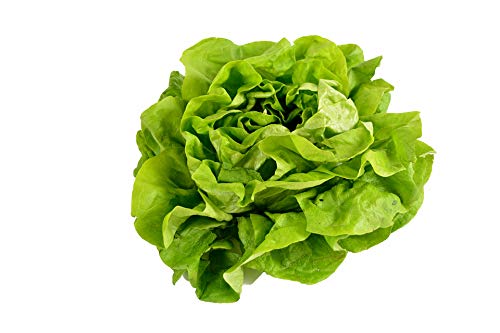
This lettuce is well known for its sweet flavor. Best if harvested in the morning.

YEAR-ROUND GARDEN FAVORITE – Dependable butterhead lettuce that thrives in cool or moderate weather for consistent harvests from spring through fall, even under cover in winter

High Germination: Proudly grown in the USA, these romaine lettuce seeds(Lactuca sativa ) bring healthy, natural goodness straight to your garden. Enjoy consistent sprouting with premium-quality Parris Island Romaine Lettuce seeds that grow fast and strong, whether indoors or outdoors.
Best Lettuce Types For Indoor Growth
- Romaine: This type offers crisp leaves with a sturdy structure. It tolerates heat and grows well indoors.
- Butterhead: Known for its tender leaves and sweet flavor, Butterhead varieties are compact and ideal for small spaces.
- Looseleaf: Looseleaf lettuce varieties, like Red Leaf and Green Leaf, grow quickly and yield multiple harvests from a single planting.
- Mesclun: A mix of young, tender greens, Mesclun provides a variety of flavors and textures, making it perfect for salads.
- Opt for Organic Seeds: Organic seeds promote healthier growth and chemical-free produce.
- Choose Fast-Growing Varieties: Look for seeds that mature within 30 to 40 days. This allows for multiple harvests throughout the year.
- Select Disease-Resistant Strains: Choose varieties that resist common diseases to ensure better yields and less maintenance.
- Consider Seedling Trays: Use trays with individual cells to facilitate transplanting and reduce root disturbance.
By selecting the right varieties and following these seed selection tips, you enhance your chances of enjoying healthy, fresh lettuce indoors year-round.
Essential Equipment For Indoor Lettuce Growing
Growing lettuce indoors requires specific equipment to ensure healthy plants and successful harvests. Here’s a look at two crucial components you need: containers and soil, along with lighting solutions.
Recommended Products

6000K White Light - equipped with 10 Red + 74 White LEDs, this growing Lamp is similar to the full-spectrum sunlight at noon,that is professionally designed for indoor garden plants.Moreover, its color rendering index is as high as 95, the light is soft and flicker-free, which is very suitable for reading lamp

🌻Efficient LED Combination: This LED lamp has grow lights made up of 80 efficient growing LEDs ( 32 red lights, 12 blue lights,20 yellow lights and 16 white lights). It meets the conditions of plant growth without sunlight. 1--Full Spectrum(380nm-800nm): Suitable for all plants to root and sprout. 2--Red(660nm)+BLUE(460nm) Spectrum: for blooming and fruits. 3--Red+Blue+Full Spectrum: A mix of Red+Blue+Warm White is best to fuel the growth of your plants.

4000K DAYLIGHT: Imitate the solar spectrum, customize a more ideal full life cycle full spectrum supplementary light program, covering the entire visible spectrum of 400nm-780nm; Color rendering index Ra is close to 100, infinitely close to natural light, suitable for every cycle of plant growth, effectively promotes plant growth, and improves crop yield and quality
Containers and Soil
Containers play a significant role in indoor lettuce growth. Choose pots that are at least 6 to 8 inches deep to provide adequate root space. Drainage holes at the bottom prevent waterlogging, which can harm the roots.
Opt for breathable materials, like plastic or fabric pots, that allow moisture control. Consider using seedling trays for starting seeds, as they provide ample space for seedlings before transplanting to larger containers.
Selecting high-quality soil is key. Use a well-draining potting mix that includes organic matter. Look for mixtures designed for container gardening, ensuring it retains moisture without becoming overly saturated. A light, fluffy soil supports healthy root development and nutrient access.
Lighting Solutions
Proper lighting is essential for growing lettuce indoors. Choose full-spectrum LED grow lights, which mimic natural sunlight. Position them 6 to 12 inches above the plants for maximum effectiveness.
Provide 12 to 16 hours of light daily to promote growth and prevent stretching. If your setup allows, consider using a timer to automate the light schedule, ensuring consistency.
Monitor light distance to adjust as your lettuce grows. Maintain an even distribution of light to all plants, as uneven exposure can lead to poor growth or bolting.
By using suitable containers and soil paired with proper lighting solutions, you’ll create an ideal environment for thriving lettuce indoors, year-round.
Step-By-Step Guide To Grow Lettuce Indoors
Growing lettuce indoors is straightforward when you follow clear steps. Let’s dive into the essentials.
Planting Seeds
- Choose Quality Seeds: Start with organic, disease-resistant lettuce seeds. Popular options are Romaine, Butterhead, and Looseleaf.
- Prepare Seedling Trays: Fill trays with high-quality, well-draining potting mix. Leave about half an inch of space from the top.
- Sow the Seeds: Scatter seeds evenly on the soil surface. For small varieties, use 10-15 seeds per tray section. Cover lightly with soil.
- Moisten the Soil: Lightly mist the soil with water. Avoid over-saturating to prevent seed rot.
- Provide Light and Heat: Place trays under LED grow lights, 6-12 inches above. Maintain temperatures between 60°F and 70°F for proper germination.
Watering and Nutrient Needs
- Water Regularly: Keep the soil consistently moist but not soggy. Check daily; water when the top layer feels dry.
- Use Nutrient-Rich Soil: Start with nutrient-dense potting mix. You can enrich it further with organic fertilizers.
- Fertilize Appropriately: After seedlings have a few true leaves, apply a diluted, balanced fertilizer every two weeks. This supports healthy growth without overwhelming young plants.
- Monitor pH Levels: Aim for a pH level between 6.0 and 7.0 for optimal nutrient uptake. You can test the soil with a pH meter.
- Timing Your Harvest: Lettuce is typically ready in 30-40 days. Harvest when leaves are big enough for salads but still young and tender.
- Use the Right Tools: A sharp kitchen knife or scissors works best. This minimizes stress on the plant.
- Cutting Methods: For leaf varieties, snip off outer leaves, leaving the central growth point intact. This allows for continuous growth. For looseleaf types, harvest 2-3 inches above the soil level.
- Store Correctly: Rinse the harvested lettuce, gently pat dry, and store in a sealed container in the refrigerator. Use within a week for the best flavor and freshness.
Following these steps allows you to enjoy fresh, homegrown lettuce year-round.
Common Challenges and Solutions
Indoor lettuce growing presents several challenges. Knowing how to tackle these obstacles leads to healthier plants and better yields.
Dealing With Pests
Pests can still infiltrate indoor gardens. Aphids, spider mites, and whiteflies are common culprits. To combat these pests, follow these steps:
- Inspect Regularly: Check your plants weekly for signs of pest activity.
- Use Neem Oil: Spray a diluted mixture of neem oil on affected plants to deter insects.
- Introduce Beneficial Insects: Ladybugs and lacewings can help keep pest populations in check.
- Maintain Cleanliness: Keep growing areas tidy. Remove fallen leaves and debris where pests can hide.
By staying proactive, you can minimize the impact of pests and protect your lettuce.
Addressing Growth Issues
Growth issues can stem from various factors. Addressing these challenges ensures your lettuce thrives:
- Monitor Light Levels: Ensure your grow lights provide 12 to 16 hours of light daily. Adjust height if leaves stretch towards the light.
- Check Temperature: Maintain daytime temperatures between 60°F and 70°F. Sudden fluctuations can stress the plants.
- Manage Humidity: Keep humidity levels between 40% and 70%. Use a hygrometer to monitor levels and add a humidifier or dehumidifier if necessary.
- Inspect Watering Practices: Overwatered or underwatered plants may exhibit wilting or yellowing leaves. Water consistently, allowing the top inch of soil to dry out between waterings.
By keeping these factors in check, your lettuce will flourish indoors throughout the year.
Conclusion
Growing lettuce indoors year-round is a rewarding experience that brings fresh greens right to your kitchen. With the right conditions and care, you can enjoy a continuous supply of delicious lettuce no matter the season.
By following the tips on light, temperature, and humidity, you’ll create an ideal environment for your plants to thrive. Remember to choose the right varieties and keep an eye on potential challenges.
Before you know it, you’ll be harvesting crisp, vibrant lettuce that adds flavor and nutrition to your meals. So grab your seeds and start your indoor garden today—you’ll love the journey and the fresh results!
Frequently Asked Questions
What are the benefits of growing lettuce indoors?
Growing lettuce indoors offers year-round access to fresh greens, especially during colder months. You can easily harvest crisp varieties like Romaine and Butterhead directly from your kitchen. Indoor growing reduces pest issues, ensuring your lettuce remains chemical-free and safe to eat.
What conditions are ideal for growing lettuce indoors?
Lettuce thrives in bright light, ideally from full-spectrum LED grow lights for 12-16 hours daily. Daytime temperatures should stay between 60°F and 70°F, with slightly cooler nights. Humidity levels should range from 40% to 70% to prevent disease and bolting.
Which lettuce varieties are best for indoor growing?
Recommended indoor lettuce varieties include Romaine for crisp leaves, Butterhead for tenderness, Looseleaf for rapid yields, and Mesclun for diverse flavors. Choose organic seeds, fast-growing types that mature within 30-40 days, and disease-resistant strains.
What equipment do I need to grow lettuce indoors?
Essential equipment includes pots that are at least 6-8 inches deep with drainage holes, breathable materials like plastic or fabric pots, and high-quality, well-draining potting mix. Full-spectrum LED grow lights are crucial, positioned 6-12 inches above the plants.
How do I start growing lettuce indoors?
Begin by selecting quality organic seeds and preparing seedling trays with a well-draining potting mix. Water regularly, use nutrient-rich soil, and fertilize as needed. Monitor pH levels and ensure adequate light and temperature for healthy growth.
When is the right time to harvest indoor lettuce?
Lettuce is typically ready for harvest in 30-40 days. Harvest using appropriate tools and handle gently. Store the lettuce properly to maintain freshness for a longer time after harvesting.
How can I manage pests while growing lettuce indoors?
Pest management involves regular inspections and using solutions like neem oil. You can introduce beneficial insects and maintain cleanliness in your growing area to reduce pest risks. Staying proactive is key to healthy plants.
What growth challenges should I be aware of when growing lettuce indoors?
Common challenges include light levels, temperature fluctuations, humidity issues, and watering practices. Monitor these factors closely to ensure optimal growth and avoid problems like diseases or bolting. Address issues promptly to maintain healthy plants.
