

Have you ever bitten into a crisp leaf of lettuce only to be met with a bitter surprise? You’re not alone. Many home gardeners struggle with this issue, but growing sweet, tender lettuce is totally possible.
Key Takeaways
- Temperature Control: Aim for cooler growing conditions between 60°F and 70°F to minimize bitterness in lettuce.
- Consistent Watering: Maintain evenly moist soil through regular deep watering; inconsistency can stress plants and lead to bitterness.
- Balanced Fertilization: Use a balanced fertilizer with lower nitrogen levels as the plants mature to avoid enhancing bitterness.
- Right Timing for Harvesting: Harvest lettuce between 45 to 60 days after planting for optimal flavor, preferably in cooler morning hours.
- Variety Selection: Choose lettuce varieties known for sweetness, such as Romaine and Butterhead, to reduce the risk of bitterness.
- Soil Quality: Ensure well-draining, nutrient-rich soil with a pH of 6.0 to 7.0 to promote healthy, flavorful lettuce growth.
Understanding Lettuce Bitterness
Bitterness in lettuce can be a frustrating issue for gardeners. Several factors contribute to this problem, but understanding these will help you grow sweeter, more palatable lettuce.
Causes of Bitterness in Lettuce
- Temperature Fluctuations: Lettuce prefers cooler weather. High temperatures often cause stress, leading to bitterness. Aim for temperatures between 60°F and 70°F for optimal growth.
- Watering Practices: Inconsistent watering can stress the plant. Regular, deep watering helps maintain moisture levels in the soil, reducing bitterness. Water lettuce at least once a week, ensuring the soil stays evenly moist.
- Nutrient Imbalances: Excess nitrogen can enhance bitterness. Balance your fertilizer to include phosphorus and potassium. Use a fertilizer with an N-P-K ratio of 5-10-10 for healthy growth.
- Maturity and Flowering: Lettuce that matures too quickly or bolts can become bitter. Harvest before flowering occurs, typically within 60-80 days after planting.
- Romaine: While generally sweet, highly stressed romaine can develop bitterness. Monitor temperature and moisture to maintain its flavor.
- Iceberg: This popular type can turn bitter if exposed to heat. Grow it in spring or fall to avoid summer heat.
- Butterhead: Butterhead varieties may also become bitter under stress. Provide consistent watering and avoid harsh temperatures.
- Leaf Lettuce: While these varieties tend to be milder, they can still exhibit bitterness if not properly cared for. Quick growth and sufficient shade help prevent bitterness in leaf lettuce.
Ideal Growing Conditions
To grow non-bitter lettuce, you need to ensure optimal growing conditions. Factors like location and soil quality play essential roles.
Choosing the Right Location
Choose a spot that gets full sun for at least six hours daily. Sunlight reduces bitterness by encouraging sweet, healthy growth. Select locations with some afternoon shade in hotter climates to prevent overheating. Monitor temperatures; aim for 60°F to 70°F. Avoid places with strong winds, which can stress plants and lead to bitterness.
Soil Requirements
Use well-draining soil rich in organic matter. Aim for a pH level of 6.0 to 7.0, as slightly acidic to neutral soils support growth. Incorporate compost or well-rotted manure before planting to boost nutrients. Regularly check moisture levels; the soil should stay consistently moist but not soggy. Use a mulch layer to retain moisture and suppress weed growth, helping to keep the lettuce’s flavor sweet.
Planting Lettuce
Successful lettuce planting involves careful consideration of seed selection and planting techniques to minimize bitterness.
Seed Selection
Choose varieties known for their resistance to bitterness. Recommended seeds include:
- Romaine Lettuce: It grows well in cooler temperatures, typically between 65°F and 70°F.
- Butterhead Lettuce: This type stays tender and sweet when harvested early.
- Leaf Lettuce: Look for loose-leaf varieties, such as Oak Leaf or Lollo Rosso, these tend to mature quickly.
Purchase seeds from reputable suppliers. Check for freshness and viability, as older seeds may yield lower germination rates.
Planting Techniques
Utilize proper planting techniques to create optimal conditions for lettuce. Consider these steps:
- Soil Preparation: Amend the soil with compost to ensure rich organic content. Aim for a pH level between 6.0 and 6.8.
- Sowing Seeds: Plant seeds about 1/4 to 1/2 inch deep. Space them 6 to 12 inches apart, depending on the variety.
- Timing: Plant in early spring or late summer. Ensure temperatures stay below 75°F for best results.
- Watering: Keep the soil consistently moist but not soggy. Water deeply once or twice a week, depending on conditions.
- Mulching: Apply a layer of mulch to retain moisture and regulate soil temperature. This encourages sweetness in the leaves.
These practices support robust growth and flavorful, non-bitter lettuce.
Maintenance for Sweet Lettuce
Maintaining sweet lettuce requires attention to watering and fertilization. These practices significantly impact the flavor and tenderness of your plants.
Recommended Products
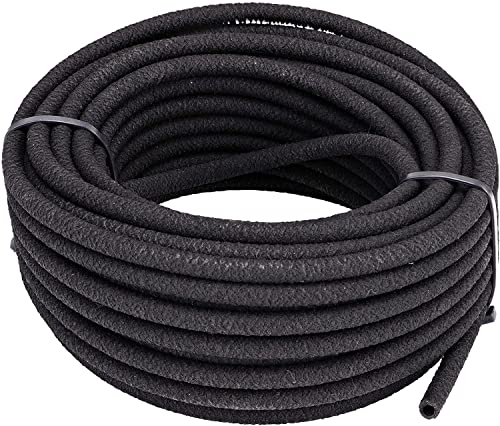
Slowly waters the soil around your plants for complete root zone hydration; Ideal for short runs on flat surfaces, such as vegetable gardens, borders, and around small plants

Higher Cost Performance Provide: enough length soaker hoses to get higher cost performance,and our 1/4 " diameter soaker hose set not only include 100 Ft length soaker hose but also include a rich range of accessories for a variety of uses,help you make custom length soaker hoses cheap & easy.
Watering Practices
Watering consistently keeps your lettuce sweet and tender. Aim for moisture levels that are even and steady, avoiding extremes.
- Water deeply once or twice a week. This encourages roots to grow deeper, enhancing lettuce flavor.
- Avoid overwatering, which can lead to root rot. Check the top inch of soil; if it’s dry, it’s time to water.
- Water early in the morning to reduce evaporation and fungal diseases. Morning watering allows leaves to dry quickly.
- Use drip irrigation or soaker hoses for efficient moisture delivery. These methods ensure water reaches the roots directly without wetting the foliage too much.
Fertilization Tips
Proper fertilization helps your lettuce absorb nutrients effectively. Following these tips supports healthy, sweet-growing conditions.
- Use a balanced fertilizer, applying it about two weeks after planting. An NPK ratio of 10-10-10 is effective for leafy greens.
- Fertilize every 4-6 weeks during the growing season. This keeps nutrient levels optimal without overwhelming the plants.
- Reduce nitrogen levels once the heads start forming. Too much nitrogen can lead to bitter flavors.
- Consider organic options like compost or well-rotted manure. These improve soil structure and provide essential nutrients naturally.
By following these maintenance practices, you ensure your lettuce grows sweet and flavorful, free from bitterness.
Harvesting Techniques
Harvesting at the right moment enhances lettuce flavor and reduces bitterness. Focus on timing and techniques to enjoy sweet, tender leaves.
Timing for Optimal Flavor
Harvest lettuce when it reaches maturity, typically around 45 to 60 days after planting. Check for the following indicators to ensure the best taste:
- Leaf Size: Leaves should be full size without wilting, usually about 6 to 8 inches long.
- Color: Look for vibrant, rich colors. Darker greens often indicate better flavor.
- Time of Day: Harvest in the morning when temperatures are cooler. This method preserves moisture and sweetness, resulting in crisper leaves.
Best Practices for Picking
Use gentle techniques to minimize damage. Follow these practices to ensure high-quality leaves:
- Clean Tools: Always use clean, sharp scissors or garden shears to avoid bruising the leaves.
- Cutting Method: Cut the outer leaves first, leaving the inner leaves to continue growing. This strategy allows for multiple harvests.
- Avoid Sun Exposure: If possible, harvest under cloudy skies or during cooler parts of the day to prevent wilting and overheating.
By applying these harvesting techniques, you can enjoy delicious, non-bitter lettuce while maximizing your yield.
Conclusion
Growing lettuce that’s sweet and flavorful is totally achievable with a little attention to detail. By creating the right environment and following the best practices for watering and fertilizing you can enjoy a bountiful harvest of delicious greens.
Remember to choose the right time to harvest and pay attention to the conditions your lettuce is growing in. With these tips in mind you’re well on your way to enjoying fresh crisp lettuce that’s free from bitterness. Happy gardening and enjoy your tasty home-grown salads!
Frequently Asked Questions
What causes bitterness in home-grown lettuce?
Bitterness in lettuce can be attributed to several factors, including temperature fluctuations, uneven watering, nutrient imbalances, and the maturity level of the plant. Higher temperatures and stress conditions often lead to increased bitterness.
How can I reduce bitterness in my lettuce?
To reduce bitterness, ensure ideal growing conditions such as well-draining soil rich in organic matter, consistent moisture levels, and adequate sunlight with some afternoon shade. Proper seed selection and timely harvesting also help achieve sweeter flavors.
What are the best growing conditions for lettuce?
The best growing conditions for lettuce include sunny locations with some afternoon shade, well-draining soil, regular moisture without overwatering, and a balanced nutrient supply. Using mulch can also help enhance sweetness and flavor.
How often should I water my lettuce plants?
Water your lettuce deeply once or twice a week, ideally in the morning. This routine helps maintain consistent moisture levels without overwatering, which can lead to bitterness.
What type of fertilizer is best for growing sweet lettuce?
Using a balanced fertilizer with adjusted nitrogen levels is best for growing sweet lettuce. Organic options like compost can also be beneficial, promoting healthy growth while minimizing bitterness.
When is the best time to harvest lettuce?
The best time to harvest lettuce is when the leaves are fully formed but still tender. Look for the right size, color, and avoid letting them bolt, as this can increase bitterness. Harvesting in the morning is ideal.
