

Ever thought about growing your own lettuce outside? It’s a simple way to enjoy fresh greens right from your garden. Whether you’re a seasoned gardener or just starting out, growing lettuce can be both rewarding and easy.
Key Takeaways
- Variety Selection: Choose the right type of lettuce for your garden, considering varieties like romaine, butterhead, and leaf lettuce to match your climate and flavor preferences.
- Garden Preparation: Ensure optimal growing conditions by selecting a sunny location, preparing well-drained nutrient-rich soil, and clearing debris from the planting area.
- Sowing Tips: Plant lettuce seeds in early spring or late summer, keeping appropriate spacing (2 to 4 inches apart), depth (1/4 to 1/2 inch), and moisture for successful germination.
- Watering and Care: Maintain consistent moisture by watering at least once a week, and monitor for pests and diseases using organic and preventative methods to keep plants healthy.
- Harvesting Practices: Harvest lettuce at the right maturity signs—size, color, and texture—using proper techniques to preserve freshness and flavor.
Understanding Lettuce Varieties
Understanding the various lettuce types helps you choose the best one for your garden. Different varieties offer unique flavors, textures, and appearances, making your garden more appealing.
Recommended Products

USDA Certified Organic by Oregon Tilth

4 Popular Heirloom Lettuce Varieties: Includes Red Romaine, Bibb Butterhead, Black Seeded Simpson, and Green Ice lettuce seeds to grow crisp, tender, and colorful salad greens with balanced flavor, texture, and visual appeal.
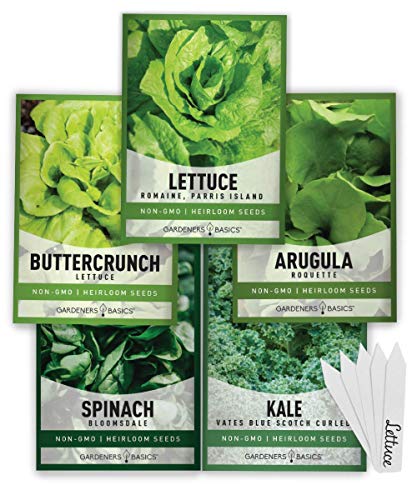
Five leafy greens varieties: Plant Parris Island romaine lettuce seeds, Buttercrunch lettuce seeds, Roquette arugula seeds, Vates Blue Scotch Curled kale seeds, and Bloomsdale spinach seeds. Includes 4,500+ seeds in five separate labeled packets.
Types of Lettuce to Grow
- Romaine: Known for its sturdy leaves and crunchy texture, romaine works well in salads and sandwiches. It thrives in cooler temperatures and takes about 70-80 days to mature.
- Butterhead: This variety features soft, buttery leaves and a mild flavor. Butterhead typically reaches harvest in 55-70 days, perfect for quick salads.
- Iceberg: Iceberg is popular for its crisp and crunchy texture. Although it takes longer to develop—approximately 75-90 days—its refreshing taste makes it a favorite.
- Leaf Lettuce: Leaf types vary in color and texture. They grow quickly, needing just 30-60 days to reach maturity. Ideal for continuous harvesting, leaf lettuce produces tender leaves throughout the season.
- Mesclun: Mesclun mixes different young greens for diverse flavors. You’ll enjoy a harvest in about 30-40 days. This mix is perfect for salads and often includes arugula and other leafy greens.
Choosing the Right Variety for Your Climate
Choosing the right lettuce variety enhances your success outdoors. Consider these factors:
- Temperature: Lettuce generally prefers cooler weather. For regions with mild winters, plant varieties like romaine or butterhead in early spring.
- Heat Tolerance: In warmer climates, select heat-tolerant types like leaf lettuce or certain hybrids. These can withstand higher temperatures, reducing the risk of bolting.
- Growing Season: Knowing your growing season length helps you select varieties. Choose quick-growing types for short seasons, while longer-season areas can accommodate slower-growing options.
- Sun Exposure: Assess your garden’s sunlight. Leaf and butterhead lettuces thrive in partial shade, while iceberg and romaine prefer full sun.
- Soil Type: Ensure good drainage for all types. If your soil retains too much moisture, consider raised beds or add organic matter for better drainage.
Choosing the right lettuce variety aligned with your specific climate and garden conditions sets the stage for a successful outdoor lettuce-growing experience.
Preparing Your Garden Space
Preparing your garden space sets the foundation for successful lettuce growth. Focus on key aspects like location, soil quality, and overall layout.
Recommended Products

Quick, at home results for Soil pH, Nitrogen, Phosphorous and Potash Innovative and inexpensive soil test kit features an easy-to-use capsule system and patented color comparators

Kindly NOTE: This soil tester can not be applied to test pH value of any other liquid. If the soil is too dry the indicator will not move, and water it before testing.

Accurate Soil pH Testing: Dewildetradingco Soil pH Test Strips offer measurements of soil pH levels (pH 3.5-9). As an essential tool for every gardener and grower, these test strips help determine the optimal pH for various plants, such as outdoor plants, indoor plants, gardens, grass lawns, fruit trees, flowers, vegetables, and forest shrubs.
Selecting the Ideal Location
Select a location that receives full sun for at least six hours daily. Observe how sunlight moves across your yard to identify the best spots. Ensure protection from strong winds, as they can damage young lettuce plants. If your area has high heat, choose an area with afternoon shade to prevent bolting. Proximity to a water source simplifies irrigation, essential for maintaining consistent moisture.
Soil Requirements and Preparation
Lettuce thrives in well-drained, nutrient-rich soil with a pH between 6.0 and 7.0. Test your soil using a pH kit to determine its acidity. If the pH is too low, add lime to raise it; if it’s too high, incorporate sulfur to lower it.
To prepare the soil, follow these steps:
- Clear the Area: Remove weeds, rocks, and debris to create a clean workspace.
- Loosen the Soil: Use a garden fork or tiller to break up compacted soil, improving drainage and root penetration.
- Add Organic Matter: Incorporate compost or well-rotted manure to boost nutrients and enhance soil structure. Aim for a mix of 30% organic matter blended into the existing soil.
- Level the Bed: Rake the surface to create an even planting area, preventing water pooling.
By selecting the right location and preparing your soil effectively, you set your lettuce plants up for optimal growth and health.
Sowing Lettuce Seeds
Sowing lettuce seeds is a straightforward process that sets the stage for a bountiful harvest. Timing and technique play crucial roles in your success.
When to Plant Lettuce Outside
Consider planting lettuce outside in early spring or late summer. Lettuce thrives in cooler temperatures, generally between 60°F and 70°F. If you live in areas with mild winters, you can sow seeds as early as two weeks before the last frost date. For a fall harvest, plant seeds about six to eight weeks before the first expected frost. Monitor local frost dates and adapt your planting schedule accordingly.
- Prepare Seedbed: Ensure your soil is well-drained and loosened to a depth of at least 12 inches. This promotes healthy root growth.
- Row Spacing: Create rows 12 to 18 inches apart to give seedlings enough room to grow. This spacing facilitates air circulation between plants.
- Seed Depth: Plant seeds about 1/4 to 1/2 inch deep. A shallower depth allows for quicker germination.
- Seed Placement: Space seeds approximately 2 to 4 inches apart in rows. Thin seedlings later for optimal growth.
- Watering: After planting, gently water the area with a fine spray to avoid displacing seeds. Moisture is essential for germination.
- Mulching: Apply a light mulch layer after seeds sprout. This helps retain moisture and suppresses weeds.
Following these techniques ensures a healthy start for your lettuce plants, leading to a productive garden.
Caring for Your Lettuce Plants
Caring for your lettuce plants ensures they thrive and produce a plentiful harvest. Focus on proper watering and pest management for healthy growth.
Recommended Products

FUNGAL DISEASE CONTROL: Prevents and controls black spot on roses, powdery mildew, rust, downy mildew, and other listed fungal diseases when applied on a 7–14 day schedule

PLANT DISEASE CONTROL: Natria Neem Oil acts as an insecticide and fungicide in one convenient spray; Ready-to-use trigger sprayer requires no mixing

Protect your oasis with Captain Jack’s Neem Max Concentrate; this multipurpose product acts as a 4-in-1 insecticide, fungicide, miticide and nematicide
Watering Guidelines
Water your lettuce plants consistently to maintain moisture. Aim for at least 1 inch of water per week, either from rainfall or supplemental watering. Water deeply to encourage root development, ensuring the soil is moist but not soggy.
Water in the morning to allow evaporation throughout the day. During particularly hot weather, check moisture levels daily. Consider using a drip irrigation system or soaker hoses to provide even moisture distribution.
Pest and Disease Management
Monitor your lettuce plants regularly for pests and diseases. Common pests include aphids, slugs, and caterpillars. Hand-picking pests can be effective, and introducing beneficial insects like ladybugs can help control populations.
Use organic methods such as neem oil or insecticidal soap for treatment if pest issues arise. Ensure proper air circulation around plants to prevent diseases like downy mildew and lettuce mosaic virus. Rotate crops each year to minimize disease buildup in the soil.
Incorporate barriers like row covers to protect young plants from pests while allowing sunlight and moisture penetration. Keeping your garden clean and free of debris also helps reduce disease risks, making your lettuce garden healthier and more productive.
Harvesting Lettuce
Harvesting lettuce at the right time ensures that you enjoy the best flavor and texture. Knowing when and how to harvest your lettuce can lead to a rewarding experience.
Signs of Maturity
Look for specific indicators that your lettuce is ready for harvest.
- Size: Depending on the variety, mature heads should be full and firm. For leaf lettuce, the leaves should be 6 to 12 inches long.
- Color: Bright, vibrant colors indicate maturity. Dark green leaves usually mean the lettuce is ready.
- Texture: Leaves should feel crisp and healthy. Wilting or yellowing suggests it’s time to pick.
- Bolting: If you notice tall flower stalks shooting up, it’s a sign that your lettuce is bolting, meaning it’s nearing the end of its life cycle. Harvest immediately to enjoy the best taste.
Best Practices for Harvesting
Follow these best practices for a smooth and effective harvest.
- Time: Harvest in the early morning or late afternoon when temperatures are cooler. This protects the leaves from wilting.
- Tools: Use a sharp knife or garden shears to cut the base of the head or individual leaves. This minimizes damage to the plant.
- Techniques: For head lettuce, cut the entire head at the base. For leaf lettuce, pick the outer leaves first, allowing inner leaves to grow.
- Handling: Handle cut lettuce gently to preserve its crispness. Avoid crushing the leaves to maintain quality.
- Storage: Store harvested lettuce in a cool, dark place or refrigerate in a perforated plastic bag to maintain freshness.
Following these guidelines ensures you enjoy a bountiful and flavorful lettuce harvest from your garden.
Conclusion
Growing your own lettuce outdoors can be a delightful experience that brings fresh flavors right to your table. With a little planning and care you can enjoy a bountiful harvest that’s both satisfying and tasty.
Remember to choose the right variety for your climate and prepare your garden space properly. Regular maintenance like watering and monitoring for pests will keep your plants thriving.
When the time comes to harvest you’ll appreciate the effort you put in and enjoy the crisp lettuce in your salads and sandwiches. Happy gardening and enjoy your fresh greens!
Frequently Asked Questions
What are the benefits of growing lettuce outdoors?
Growing lettuce outdoors is an easy and rewarding gardening activity. It allows you to enjoy fresh, flavorful produce right from your garden and can be done by both beginners and seasoned gardeners. Cultivating your own lettuce can also save you money and provides a sense of achievement as you watch your plants thrive.
What varieties of lettuce can I grow?
Popular lettuce varieties include romaine, butterhead, iceberg, leaf lettuce, and mesclun. Each has its unique flavor, texture, and growth time. Selecting the right variety based on your preferences and local climate will help ensure a successful harvest.
How should I prepare my garden space for lettuce?
Select a location that receives at least six hours of full sun daily and protects against strong winds. Clear the area of debris, loosen the soil, add organic matter, and aim for well-drained, nutrient-rich soil with a pH between 6.0 and 7.0 to create optimal conditions for your lettuce.
When is the best time to sow lettuce seeds?
The ideal time to sow lettuce seeds is in early spring or late summer when temperatures range between 60°F and 70°F. Proper timing ensures better germination and growth, leading to a healthier, more productive garden.
What watering practices should I follow for lettuce?
Lettuce requires at least 1 inch of water per week. Morning watering is recommended to allow evaporation during the day. Maintaining consistent moisture is key to ensuring your lettuce grows strong and healthy.
How can I manage pests and diseases when growing lettuce?
Regularly inspect your lettuce for common pests like aphids and slugs. Use organic treatment methods and implement barriers, such as row covers, to protect young plants. Ensuring adequate air circulation around your plants also helps prevent diseases.
When is the right time to harvest lettuce?
Harvest lettuce when it reaches the desired size and maturity, indicated by color and texture. Signs of bolting, such as flower stalks, signal that the plant is nearing the end of its life cycle.
What are the best practices for harvesting lettuce?
Harvest lettuce in the morning for optimal freshness. Use clean, sharp tools to cut the leaves gently. Handle the lettuce carefully to avoid bruising, and store it properly to maintain its crispness.
