

Have you ever wanted to enjoy fresh, crisp lettuce right from your garden? Growing your own lettuce leaves can be a rewarding and simple way to add a healthy touch to your meals. Whether you’re a seasoned gardener or just starting out, you might find that lettuce is one of the easiest crops to grow.
Key Takeaways
- Understand Varieties: Familiarize yourself with different types of lettuce, such as Butterhead, Romaine, Iceberg, and Looseleaf, to choose the best for your garden.
- Soil Preparation: Ensure soil is well-drained and rich in organic matter with a pH between 6.0 and 7.0 for optimal lettuce growth.
- Planting Timing: Sow lettuce seeds in cool temperatures, ideally in early spring or late summer, for a continuous harvest throughout the growing season.
- Watering and Fertilizing: Maintain consistent moisture of about 1 to 1.5 inches of water weekly, and use a balanced organic fertilizer at planting and during growth to support healthy development.
- Pest Management: Proactively monitor for pests like aphids and slugs, and implement preventative measures such as crop rotation and proper spacing to reduce the risk of disease.
- Harvesting Techniques: Harvest lettuce when leaves reach 4 to 6 inches, focusing on morning collections for optimal quality, and store them properly to maintain freshness.
Understanding Lettuce Varieties
Lettuce comes in various types, each with unique textures and flavors. Knowing these varieties helps select the best options for your garden.
Common Types of Lettuce
- Butterhead: Known for its soft, tender leaves, Butterhead lettuce has a slightly sweet flavor. Examples include Boston and Bibb varieties.
- Romaine: This type features tall, crisp leaves with a robust flavor. Romaine is often used in salads and wraps.
- Iceberg: Recognized for its round, dense heads, Iceberg lettuce is crunchy and mild, popular in sandwiches and salads.
- Looseleaf: With its open structure, Looseleaf lettuce offers tender, flavorful leaves. Varieties like Red Lettuce and Green Leaf are common choices.
- Batavia: Also called French crisp, Batavia combines the hardness of Romaine with the tenderness of Butterhead, providing a sweet, crunchy experience.
Choosing the Right Variety for Your Garden
Selecting the right lettuce variety hinges on several factors:
- Climate: Determine your local climate. Heat-tolerant varieties thrive in warmer areas, while cool-weather types grow best in lower temperatures.
- Space: Assess your garden space. Looseleaf varieties often grow well in smaller areas, while larger varieties need more room.
- Harvest Time: Consider your desired harvest time. Some varieties, like Butterhead, mature in around 55 days, while others take longer.
- Taste Preferences: Pick varieties based on your taste. If you enjoy crunchy textures, opt for Romaine or Iceberg; if you prefer softness, Butterhead may be the choice.
By understanding these aspects, you position yourself to make informed decisions on which types of lettuce to grow in your garden.
Preparing the Soil
Preparing the soil properly ensures healthy growth for your lettuce. Focus on creating an ideal environment for optimal yields.
Recommended Products

Quick, at home results for Soil pH, Nitrogen, Phosphorous and Potash Innovative and inexpensive soil test kit features an easy-to-use capsule system and patented color comparators

Accurate Soil pH Testing: Dewildetradingco Soil pH Test Strips offer measurements of soil pH levels (pH 3.5-9). As an essential tool for every gardener and grower, these test strips help determine the optimal pH for various plants, such as outdoor plants, indoor plants, gardens, grass lawns, fruit trees, flowers, vegetables, and forest shrubs.

Kindly NOTE: This soil tester can not be applied to test pH value of any other liquid. If the soil is too dry the indicator will not move, and water it before testing.
Soil Requirements for Lettuce
Lettuce thrives in well-drained, loose soil rich in organic matter. Aim for a soil pH between 6.0 and 7.0. Conduct a soil test to check nutrient levels and pH balance. Incorporate compost or well-rotted manure into the soil to improve fertility. This addition boosts nutrients and enhances moisture retention, which is crucial for lettuce.
- Clear the Area: Remove weeds, rocks, and debris from the planting area. This step prevents competition for nutrients and resources.
- Till the Soil: Use a garden fork or tiller to loosen the top 12 inches of soil. This process aerates the soil and promotes root growth.
- Add Organic Matter: Mix in compost or other organic materials to enrich the soil. Incorporate about 2-4 inches of organic matter into the soil for the best results.
- Level the Surface: Rake the soil to create a smooth, even planting surface. This practice helps distribute water evenly and promotes uniform growth.
- Moisten the Soil: Water the bed lightly before planting to ensure the soil is damp but not soggy. This moisture activates the soil microorganisms that aid in plant growth.
By following these steps, you set a solid foundation for your lettuce, leading to robust plants and a bountiful harvest.
Planting Lettuce Seeds
Planting lettuce seeds involves timing and technique for optimal growth. Pay attention to the following guidelines to ensure a successful sowing.
When to Plant Lettuce
Plant lettuce seeds in early spring or late summer. Lettuce thrives in cooler temperatures, growing best when daytime highs are between 60°F and 70°F. For spring planting, sow seeds about two to four weeks before the last expected frost date. For a fall crop, plant seeds six to eight weeks before the first expected frost date. This timing allows for a continuous harvest throughout the growing season.
Seed Sowing Techniques
Use these effective techniques when sowing lettuce seeds:
- Prepare the Seedbed: Ensure the soil is well-tilled and leveled. Create rows or furrows about 12 to 18 inches apart.
- Sow the Seeds: Scatter seeds thinly, aiming for about 10 to 15 seeds per foot of row. If growing in containers, place 2 to 3 seeds every few inches.
- Cover the Seeds: Lightly cover seeds with about 1/4 inch of soil. Avoid burying them too deeply since lettuce seeds require light to germinate.
- Water Gently: Water the area with a fine spray to avoid displacement of the seeds. Keep the soil consistently moist but not soggy.
- Thin the Seedlings: Once seedlings are a couple of inches tall, thin them to 4 to 6 inches apart. This encourages healthy growth and airflow.
Implement these steps for a fruitful lettuce harvest.
Caring for Lettuce Plants
Caring for lettuce plants involves understanding their specific needs for water and nutrients. Attention to these details ensures healthy growth and a flavorful harvest.
Recommended Products

Slowly waters the soil around your plants for complete root zone hydration; Ideal for short runs on flat surfaces, such as vegetable gardens, borders, and around small plants

Higher Cost Performance Provide: enough length soaker hoses to get higher cost performance,and our 1/4 " diameter soaker hose set not only include 100 Ft length soaker hose but also include a rich range of accessories for a variety of uses,help you make custom length soaker hoses cheap & easy.

【Even & Consistent Root Watering】Features micro-pore seepage technology that distributes water evenly along the entire hose, transforming spot watering into uniform line watering directly to plant roots. Unlike traditional drip irrigation systems with clog-prone emitters, this soaker hose creates a continuous moisture band for healthier, deeper-rooted plants
Watering Requirements
Lettuce requires consistent moisture for optimal growth. Aim to provide about 1 to 1.5 inches of water per week. Water early in the day to reduce evaporation and allow leaves to dry before nightfall to prevent diseases.
- Monitor soil moisture: Check the top inch of soil; if dry, it’s time to water.
- Use drip irrigation or soaker hoses: This method delivers water directly to the roots, minimizing waste and fungal growth.
- Avoid overhead watering: Wetting the leaves can lead to disease and hinder growth.
Fertilizing Your Lettuce
Fertilizing your lettuce supports strong growth and vibrant leaves. Use a balanced, organic fertilizer for the best results.
- Apply fertilizer at planting: Mix it into the soil before sowing seeds.
- Side-dress during growth: About four weeks after planting, add more fertilizer to boost nutrients.
- Follow package instructions: Use the recommended amounts to avoid over-fertilizing, which can harm your plants.
By focusing on watering and fertilizing, you can enjoy luscious lettuce in your garden.
Pest and Disease Management
Managing pests and diseases is crucial for healthy lettuce growth. Effective strategies help safeguard your crop, ensuring a rewarding harvest.
Recommended Products

READY-TO-USE CONTACT SPRAY: No mixing required. Thoroughly spray insecticide on all plant parts, including the underside of leaves. Pests must be sprayed directly to achieve control
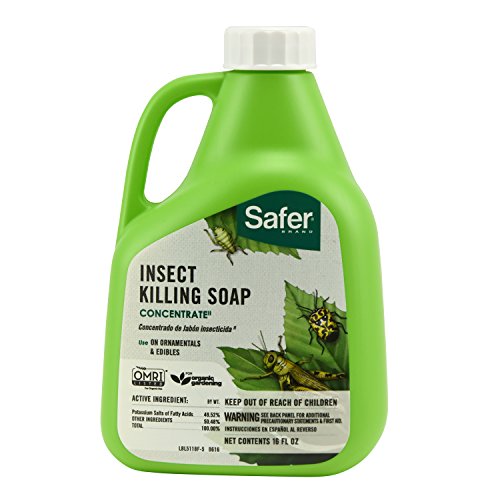
GENTLE ON MOST PLANTS - This aphid spray is ideal for use on flowers, herbs, vegetables, houseplants, lawn, tree, shrubs, and more

FOR ORGANIC GARDENING – OMRI LISTED: Approved for use in organic production, Monterey Insecticidal Soap RTU is perfect for indoor and outdoor organic gardening on fruits, vegetables, ornamentals, and more.
Common Pests of Lettuce
- Aphids: These small, green insects feed on plant sap, weakening lettuce plants and potentially transmitting diseases. Regularly inspect your plants, particularly undersides of leaves, and remove them with a strong blast of water if you see any.
- Lettuce Root Aphids: Unlike common aphids, these pests attack roots, causing stunted growth and wilting. Use beneficial insects, like ladybugs, to keep their population in check.
- Slugs and Snails: These pests create holes in leaves. Employ traps filled with beer or diatomaceous earth around your plants. This method deters them effectively.
- Cutworms: These caterpillars burrow into the soil, severing young seedlings at the base. Protect seedlings by placing a collar made of cardboard around the stem.
- Thrips: Tiny, slender insects that cause silver streaks on leaves. Introduce predatory insects like lacewings or apply insecticidal soap to manage them.
- Crop Rotation: Rotating your lettuce with other crops each season reduces the build-up of disease pathogens in the soil. Aim for a three-year rotation cycle.
- Proper Spacing: Space your plants adequately to promote airflow, preventing moisture accumulation that can lead to diseases like downy mildew.
- Watering Techniques: Water your lettuce at the base to avoid wetting the leaves. This practice minimizes the risk of fungal infections.
- Sanitation: Clean up plant debris after harvest. Diseased material can harbor pathogens that infect future crops.
- Disease-Resistant Varieties: Choose lettuce varieties known for their resistance to common diseases. Seeking certified seeds helps mitigate risks.
Implementing these strategies creates a healthy growing environment for your lettuce and enhances the chance of a successful harvest.
Harvesting Lettuce
Harvesting lettuce requires attention to timing and technique. Understanding when and how to gather your crop can maximize both flavor and yield.
Signs Your Lettuce Is Ready to Harvest
- Leaf Size: Lettuce leaves typically reach a suitable size for harvest in about 30 to 70 days, depending on the variety. Aim for leaves that are at least 4 to 6 inches long.
- Leaf Color: Vibrant, rich colors indicate the lettuce is mature. For instance, romaine should have deep green leaves, while Butterhead varieties exhibit a softer green hue.
- Texture: Leaves should feel tender and crisp. If they start to become tough or bitter, they’re past their prime.
- Flowering: If the plant begins to bolt, or send up a flower stalk, it’s time to harvest. Once flowering starts, the leaves’ quality diminishes quickly.
- Use Clean Tools: Grab a clean pair of garden scissors or a sharp knife to avoid damaging the plant and spreading disease.
- Harvest in the Morning: Morning is the ideal time to cut lettuce. The leaves will be crisp and hydrated, enhancing quality.
- Cutting Method: For looseleaf varieties, cut the outer leaves, leaving the inner ones to continue growing. For head types like Iceberg or Romaine, cut the entire head at the base.
- Avoid Bruising: Handle harvested leaves gently to maintain their crisp texture and prevent bruising.
- Storage: Store harvested lettuce in a cool, damp environment. Place it in a perforated plastic bag in the refrigerator for best freshness.
By observing these signs and practices, you can ensure a successful lettuce harvest, providing fresh greens for your meals.
Conclusion
Growing your own lettuce can be a delightful journey filled with fresh flavors and vibrant colors. By choosing the right variety and nurturing your plants with care you’ll enjoy a bountiful harvest right from your garden. Remember to keep an eye on moisture levels and watch for any pesky pests that might try to invade your greens.
When it’s time to harvest savor the satisfaction of picking your own lettuce and adding it to your meals. With a little patience and attention you’ll soon find that growing lettuce is not just rewarding but also a fun way to enhance your culinary adventures. Happy gardening!
Frequently Asked Questions
What are the benefits of growing your own lettuce?
Growing your own lettuce provides fresh, healthy produce that enhances your meals. It’s a rewarding and simple gardening project suitable for both beginners and experienced gardeners. Homegrown lettuce is more flavorful than store-bought and allows you to choose varieties that suit your taste and dietary preferences.
What types of lettuce should I consider?
Common types of lettuce include Butterhead, Romaine, Iceberg, Looseleaf, and Batavia. Each type has unique textures and flavors. Choosing the right variety depends on factors like climate, available garden space, personal taste, and the desired harvest time.
How do I prepare the soil for lettuce?
Prepare your soil by ensuring it is well-drained, loose, and rich in organic matter, with a pH between 6.0 and 7.0. Clear the area of weeds, till the soil for aeration, add compost, level the surface, and moisten the soil before planting. Proper soil preparation is critical for robust growth.
When should I plant lettuce seeds?
Plant lettuce seeds in early spring or late summer, as they thrive in cooler temperatures. For spring planting, sow seeds 2-4 weeks before the last frost. Fall crops should be planted 6-8 weeks before the first frost. Timing is vital for a successful harvest.
How much water do lettuce plants need?
Lettuce requires about 1 to 1.5 inches of water per week. It’s best to water early in the day to reduce evaporation. Using drip irrigation or soaker hoses helps deliver moisture directly to the roots while minimizing the risk of disease from overhead watering.
How do I manage pests and diseases in lettuce?
Manage pests like aphids and snails with regular inspections, beneficial insects, and traps. Emphasize crop rotation, proper spacing, and sanitation practices to prevent diseases. Consider planting disease-resistant varieties and using targeted watering techniques to create a healthy growing environment.
When is the right time to harvest lettuce?
Harvest lettuce when the leaves reach an ideal size, color, and texture, typically before flowering. Use clean tools to cut the leaves in the morning for peak freshness. Proper harvesting techniques and storing the greens correctly will maintain their crispness and flavor.
