

Have you ever wished you could enjoy fresh, crisp lettuce right from your kitchen? Growing lettuce in water at home is not only simple but also a fun way to add greenery to your space. If you’ve struggled with traditional gardening or lack outdoor space, this method offers a perfect solution.
Key Takeaways
- Hydroponic Method: Growing lettuce in water is a soil-free hydroponic method that uses nutrient-rich water for faster growth and minimal space requirements.
- Quick Harvest: Lettuce can be ready to harvest within 4 to 6 weeks, significantly faster than traditional soil gardening methods.
- Efficient Space Use: This technique is ideal for small spaces like kitchens and balconies, allowing for vertical gardening and maximizing available area.
- Essential Equipment: To grow lettuce hydroponically, you’ll need appropriate containers, a growing medium, balanced nutrients, and adequate light sources.
- Variety Selection: Choose fast-growing lettuce varieties such as Leaf and Romaine for optimal success in hydroponic systems.
- Maintenance Tips: Regularly monitor water levels, nutrient solutions, and light conditions to ensure healthy growth and troubleshoot common issues like yellowing leaves or mold.
Overview of Hydroponic Lettuce Gardening
Hydroponic lettuce gardening offers a soil-free method to grow fresh greens indoors or outdoors. This technique relies on a nutrient-rich water solution to nourish plants, making it efficient and versatile. You can set up a hydroponic system in small spaces like kitchens or balconies.
Benefits of Hydroponic Gardening
- Faster Growth: Lettuce grown hydroponically often reaches harvest size in about 4 to 6 weeks, compared to the 8 to 12 weeks needed in soil.
- Space Efficiency: You can use vertical gardening systems or compact containers, maximizing limited space.
- Less Water Usage: Hydroponic systems use up to 90% less water than traditional gardening, making it an eco-friendly option.
Required Equipment
- Containers: Choose plastic or glass containers that hold water without leaking.
- Growing Medium: Though not always necessary, using materials like rock wool or clay pellets can help support seedlings.
- Nutrients: Select a balanced hydroponic fertilizer designed for leafy greens. Follow the package instructions for proper dilution.
- Light Source: If you’re using an indoor setup, ensure you have grow lights to provide adequate light for your lettuce.
Steps to Grow Lettuce Hydroponically
- Select Varieties: Choose fast-growing lettuce types like romaine, butterhead, or leaf lettuce.
- Prepare Containers: Fill your containers with water and add the hydroponic nutrients as directed.
- Plant Seeds: Place seeds directly in the water, or use the growing medium to support them until they germinate.
- Monitor Conditions: Keep your lettuce in a well-lit area (or under grow lights) and check nutrient levels regularly.
- Harvest: Once the leaves are large enough, prune the tops, allowing the rest to continue growing.
- Can I grow lettuce in just water?
Yes, lettuce can thrive in water if it receives the necessary nutrients. - How often should I change the water?
Change the water every 1 to 2 weeks to keep nutrient levels balanced and prevent stagnation. - Is hydroponic lettuce safe to eat?
Absolutely, hydroponically grown lettuce is safe and often very clean, as it avoids many soil-borne pests and diseases.
By following these guidelines, you can successfully grow hydroponic lettuce at home, enjoying fresh greens without the need for soil.
Benefits of Growing Lettuce in Water
Growing lettuce in water offers several significant advantages, making it an appealing method for home gardeners.
Space Efficiency
Using hydroponics to grow lettuce maximizes your available space. You can utilize small areas like windowsills or countertops. Vertical systems allow you to stack containers, providing even more growing space. This method suits those with limited outdoor areas or who live in apartments. You can fit multiple containers in a small footprint, ensuring you enjoy fresh lettuce without requiring a garden plot.
Enhanced Growth Rate
Lettuce thrives in hydroponic systems, often reaching harvest-ready size in just 4 to 6 weeks. This rapid growth results from nutrient-rich water that directly feeds the plants. With controlled environments, you can provide optimal light and temperature, further expediting growth. You can enjoy multiple harvests throughout the year. By implementing this efficient technique, you’ll obtain fresh greens quicker than traditional soil gardening, providing both convenience and satisfaction.
Choosing the Right Lettuce Varieties
Growing lettuce in water means selecting varieties that thrive in hydroponic conditions. Familiarize yourself with common types to maximize your success.
Recommended Products

4 Popular Heirloom Lettuce Varieties: Includes Red Romaine, Bibb Butterhead, Black Seeded Simpson, and Green Ice lettuce seeds to grow crisp, tender, and colorful salad greens with balanced flavor, texture, and visual appeal.

COMPLETE VARIETY PACK: Eight popular lettuce seeds including Buttercrunch, Romaine, Iceberg, Bibb, Red Oakleaf, Prizehead, plus Kale and Spinach; Perfect lettuce seeds for planting outdoors or in hydroponic systems
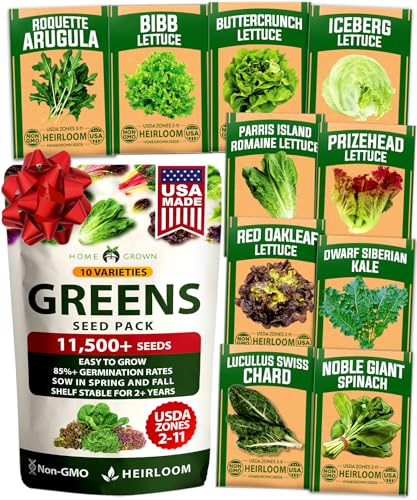
COMPLETE VARIETY PACK: Ten popular lettuce and leafy green varieties; Romaine lettuce seeds, Buttercrunch, Iceberg, Bibb, Red Oakleaf, Prizehead, Kale, Spinach and more; Perfect for organic salad gardens; High 95% germination rate
Leaf Lettuce
Leaf lettuce includes several tender varieties such as Butterhead and Looseleaf. These varieties grow quickly and can be harvested at young stages, typically within 4 to 5 weeks.
- Butterhead Lettuce: Characterized by its soft, round leaves, Butterhead is known for its rich flavor. It adapts well to water growing and requires minimal maintenance.
- Looseleaf Lettuce: This variety features loose, delicate leaves. It tolerates various growing conditions, making it an excellent choice for beginners.
Romaine Lettuce
Romaine lettuce is another popular option for hydroponic gardening. It has a crisp, crunchy texture and a robust flavor, preferred in salads and sandwiches.
- Crisp and Nutritious: Romaine can take 5 to 6 weeks from planting to harvest. Its sturdy leaves provide an excellent source of vitamins A and C.
- Space-Efficient Growth: Romaine grows vertically, making it suitable for stackable containers or limited spaces.
Choose these lettuce varieties considering your taste preferences and the space available. Each offers unique benefits that enhance your hydroponic gardening experience.
Step-by-Step Guide to Growing Lettuce in Water
Growing lettuce in water is straightforward and rewarding. Follow these simple steps to get started.
Recommended Products

High planting efficiency: Start an indoor herb garden with the Ahopegarden hydroponic growing system, which includes a water reservoir, an overhead LED grow light, and a circulation system that keeps the water fresh. The hydroponic setup and lighting systems allow plants to grow up to faster and healthier in controlled conditions. Simply add plant seeds, water, and nutrients to the reservoir and watch the plants grow

Has All You’ll Need - This salad greens seed pod kit comes with everything you’ll need for your hydroponics garden: 6 types of heirloom NON-GMO seeds (Red Romaine Lettuce, Green Romaine Lettuce, American Fast Lettuce, Buttercrunch Lettuce, Parris Island Lettuce, Spinach), 7 grow sponges, 7 grow domes, 7 grow baskets, 8 foil stickers, and A&B Plant Nutrients. Get this kit and gain endless harvests!

Heirloom Non-GMO Seeds: seed pod kit contains 6 kinds of lettuce seeds, they are Red&Green Leaf Lettuce, Romaine, Butter Head, Bibb Lettuce, Boston Lettuce, Buttercrunch Lettuce. Various kinds of lettuce seeds, each one is rich in nutritional value. 100% Non-GMO, open pollinated
Materials Needed
- Containers: Use glass jars, plastic containers, or even specialized hydroponic systems. Ensure they provide enough depth for root growth.
- Growing Medium: Consider using small stones, clay pellets, or net pots to support the lettuce leaves.
- Nutrients: Obtain liquid fertilizers designed for hydroponic gardening. Look for ones rich in nitrogen and potassium.
- Light Source: Utilize fluorescent or LED grow lights if natural sunlight is limited.
- Water: Filtered or distilled water is ideal to avoid chlorine and other contaminants.
Setting Up Your Hydroponic System
- Select Containers: Choose appropriate size containers, allowing 6 to 12 inches of space for each lettuce plant.
- Add Growing Medium: Layer small stones or clay pellets at the bottom of the container to help with drainage.
- Mix Nutrient Solution: Follow the manufacturer’s instructions to prepare the nutrient solution. This will provide essential minerals for growth.
- Fill with Water: Pour the prepared solution into the containers, filling them to about 2 inches below the rim.
- Position Containers: Set the containers in a location with adequate light or beneath grow lights, ensuring direct access to sunlight for at least 12 hours daily.
Planting Lettuce Seeds
- Choose Seeds: Select suitable lettuce varieties, such as Leaf or Romaine.
- Plant Seeds: Place 2 to 4 seeds into the growing medium, pressing lightly to secure them.
- Water Seeds: Mist the seeds with water to keep the medium moist without over-saturating it.
- Monitor Growth: Keep an eye on the seeds as they germinate within 5 to 14 days, ensuring they receive sufficient light and warmth.
- Check Water Levels: Maintain a consistent water level, topping off the containers when necessary.
- Adjust Nutrient Solution: Replace or refresh the nutrient solution every two weeks to ensure adequate nourishment.
- Manage Light: Adjust the distance of grow lights as the seedlings grow taller to prevent burning.
- Prune as Needed: Trim excess foliage to promote airflow and discourage mold growth.
By following these steps, enjoying fresh, homegrown lettuce is just a few weeks away.
Troubleshooting Common Issues
Growing lettuce in water can be straightforward, but challenges may arise. Here are solutions to tackle common issues you might encounter.
Yellowing Leaves
Yellowing leaves often indicate nutrient deficiency. To fix this, ensure you’re using a balanced nutrient solution. Check the nutrient levels every two weeks and make adjustments as needed. Additionally, consider using fresh water regularly to prevent nutrient buildup.
Wilting Plants
Wilting plants signal inadequate water or light. Confirm that your lettuce has enough water covering the roots. If necessary, refill the container to keep roots submerged. For light, ensure your plants receive about 12 to 16 hours of bright, indirect light daily. If the light source is too far away, adjust its position closer to the plants.
Mold Growth
Mold may appear on the surface of the water or the growing medium. To combat mold, keep the growing area clean. Replace water weekly and ensure there’s good airflow around the plants. If mold persists, consider using a hydrogen peroxide solution to treat affected areas.
Slow Growth
Slow growth can result from insufficient light or nutrient levels. Ensure you’re using a quality grow light if natural light is inadequate. Light should reach the plants consistently. For nutrients, follow the manufacturer’s recommendations for your solution and adjust accordingly if your lettuce isn’t thriving.
Pests
Pests such as aphids can invade your lettuce. Inspect your plants regularly for signs of infestation. If you spot pests, remove them manually or use a gentle soap solution to deter them. Regularly cleaning your growing area helps minimize the risk of pests.
Root Rot
Root rot stems from overwatering or poor drainage. Check that your water level is appropriate and not submerged beyond the roots. If rot occurs, remove affected roots and transfer the healthy parts to fresh water. Consider using a container that allows proper moisture flow to help prevent this issue.
By applying these troubleshooting tips, you can maintain a healthy and productive hydroponic lettuce garden at home.
Conclusion
Growing lettuce in water at home is not just a fun project but a rewarding way to enjoy fresh greens. You’ll find that with a little effort and the right setup, you can cultivate delicious lettuce right in your kitchen or living space.
Whether you’re a seasoned gardener or just starting out, this method makes it easy to produce healthy food without the need for soil. Plus you can experiment with different varieties and enjoy multiple harvests throughout the year.
So why not give it a try? Dive into hydroponic gardening and watch your lettuce thrive while adding a touch of greenery to your home. Happy gardening!
Frequently Asked Questions
What are the benefits of growing lettuce in water?
Growing lettuce in water is a simple method that requires less space, making it ideal for apartment dwellers. It allows for faster growth, typically ready for harvest in just 4 to 6 weeks, and dramatically reduces water usage, using up to 90% less than traditional gardening. This technique also gives you access to fresh produce year-round.
What equipment do I need for hydroponic lettuce gardening?
To grow lettuce hydroponically, you’ll need containers, a growing medium (like hydroponic rock wool), nutrient solutions, and adequate lighting. Additionally, ensure you have a proper water source and monitoring tools to keep track of nutrient levels and water quality for optimal growth.
How do I start growing lettuce in water?
Begin by selecting your lettuce variety and gathering the necessary equipment. Soak your growing medium in nutrient-rich water, place seeds in the medium, and ensure they receive adequate light. Monitor water levels and nutrients regularly, and maintain the right temperature for best growth results.
Which lettuce varieties are best for growing hydroponically?
Popular hydroponic lettuce varieties include Leaf Lettuce (like Butterhead and Looseleaf) and Romaine Lettuce. These types are suited for smaller spaces, grow quickly, and have great flavors. Choose varieties based on your taste preferences and the conditions of your hydroponic system.
How can I troubleshoot common issues when growing lettuce in water?
If you encounter issues like yellowing leaves or slow growth, check your nutrient levels and water quality. For mold, ensure proper air circulation. Pests can be managed with organic solutions, while root rot can often be prevented by adjusting water levels and aeration. Regular monitoring is key to keeping your lettuce healthy.
