

Have you ever wanted to enjoy fresh, crisp lettuce right from your garden? Growing lettuce in soil is not only rewarding but also surprisingly easy. Whether you’re a seasoned gardener or just starting out, this leafy green can thrive with a little care and the right conditions.
Imagine stepping outside to harvest your own homegrown salad greens, knowing exactly how they were grown. This article will guide you through everything you need to know about growing lettuce in soil, from choosing the right variety to ensuring it gets the nutrients it needs. You’ll discover simple tips and tricks that can lead to a bountiful harvest, making your gardening experience both enjoyable and fruitful.
Key Takeaways
- Understand Lettuce Varieties: Choose from Leaf, Head, or Romaine lettuce, each with specific care and harvesting needs that impact flavor and yield.
- Prepare Nutrient-Rich Soil: Test soil pH (ideally between 6.0 and 7.0) and improve quality with compost, organic fertilizers, or well-aged manure for robust growth.
- Plant Timing and Spacing: Optimal planting times are early spring or late summer, with proper spacing of 6-12 inches to ensure adequate air circulation and moisture.
- Consistent Care: Maintain even watering practices, use nitrogen-rich fertilizers, and monitor plants for pests and diseases to support healthy growth.
- Harvest at the Right Time: Recognize maturity signs (4-6 inch leaves for Leaf Lettuce, firm heads for Head Lettuce) and use proper techniques to encourage regrowth.
- Enjoy Fresh Produce: Following these steps enables you to grow and harvest your own crisp, delicious lettuce straight from your garden.
Understanding Lettuce Varieties
Choosing the right lettuce variety influences your gardening success. Various types offer different tastes, textures, and growth habits. Here are the main types to consider:
Leaf Lettuce
Leaf lettuce grows quickly, making it ideal for beginners. Varieties include Butterhead, Looseleaf, and Oakleaf. These types provide tender leaves with mild flavors.
- Growing Tip: Space plants 6 to 12 inches apart for optimal air circulation.
- Harvesting Tip: Pick outer leaves first. This encourages new growth and extends harvest time.
Head Lettuce
Head lettuce forms a tight, compact head. Varieties like Iceberg and Butterhead fall into this category. They generally need more care than leaf lettuce, and they require consistent moisture for desired crunch.
- Growing Tip: Opt for varieties that suit your climate to enhance success.
- Harvesting Tip: Wait until heads are firm before harvesting to ensure peak flavor.
Romaine Lettuce
Romaine lettuce offers a distinct crunch and is popular in salads. It features elongated leaves and a substantial central rib. Common varieties include Green Romaine and Red Romaine. Romaine thrives in cooler weather, making the spring and fall ideal planting times.
- Growing Tip: Provide ample space of 8 to 12 inches between plants to allow for their robust growth.
- Harvesting Tip: Harvest entire heads once they reach full size for optimal taste.
Selecting the right lettuce variety meets your taste preferences and gardening conditions. Each type has unique growth requirements and harvesting methods to maximize your yield.
Preparing the Soil for Planting
Preparing your soil properly sets the stage for healthy lettuce growth. Strong, nutrient-rich soil promotes robust plants and bountiful yields.
Recommended Products
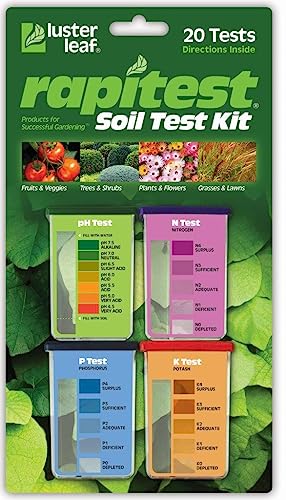
Quick, at home results for Soil pH, Nitrogen, Phosphorous and Potash Innovative and inexpensive soil test kit features an easy-to-use capsule system and patented color comparators

Kindly NOTE: This soil tester can not be applied to test pH value of any other liquid. If the soil is too dry the indicator will not move, and water it before testing.

KNOW BEFORE YOU GROW | Grow the healthiest, sustainable lawn and garden with the most accurate and easy to use professional soil test kit on the market
Testing Soil Quality
Test your soil to determine its nutrient content and pH levels. A pH level between 6.0 and 7.0 works best for lettuce. Use a soil test kit or send samples to a local extension service for analysis. Don’t skip this step; it helps identify deficiencies and ensures you provide the necessary amendments.
Amendments for Optimal Growth
Improve soil quality by adding organic matter and nutrients.
- Compost: Mix in 2-3 inches of well-rotted compost to enrich the soil. Compost enhances drainage and moisture retention.
- Organic Fertilizer: Use a balanced fertilizer with nitrogen, phosphorus, and potassium. Follow package instructions for application rates. Generally, 1-2 pounds per 100 square feet is suitable.
- Well-Aged Manure: Incorporate well-aged manure for additional nutrients. Apply it in a similar quantity as compost.
- Peat Moss: If your soil is heavy clay, add peat moss to improve aeration and drainage. Aim for about 1-2 inches blended into the top layers.
Ensure your soil is loose and crumbly before planting. A well-prepared bed creates an ideal environment for lettuce to thrive.
Planting Lettuce Seeds
Proper planting techniques ensure healthy and abundant lettuce growth. Use the following guidelines to plant your seeds effectively.
Recommended Products

4 Popular Heirloom Lettuce Varieties: Includes Red Romaine, Bibb Butterhead, Black Seeded Simpson, and Green Ice lettuce seeds to grow crisp, tender, and colorful salad greens with balanced flavor, texture, and visual appeal.

BUILT TO LAST A LIFETIME WITH FULL STAINLESS STEEL: Crafted from a single piece of high-quality, rust-resistant stainless steel. Unlike tools with weak wooden handles, the Gardmate hand dibber is built for a lifetime of use, bending and wear in all weather conditions.
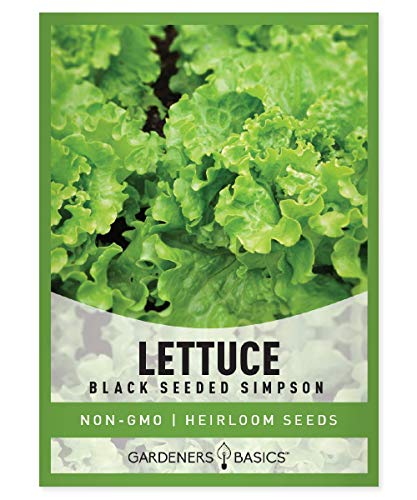
Black Seeded Simpson is a classic heirloom loose leaf lettuce with large, tender green leaves and a mild, sweet flavor. Harvest fresh leaves for salads, sandwiches, wraps, and other homegrown meals.
Ideal Planting Time
Timing plays a crucial role in lettuce success. Plant seeds in early spring for a cool-season crop or late summer for a fall harvest. Soil temperatures between 60°F and 70°F promote better germination. Check local frost dates to avoid planting too early or too late.
Seed Spacing and Depth
Spacing affects air circulation and light exposure for lettuce plants. Space seeds about 12 inches apart for head lettuce and 6 to 8 inches apart for leaf varieties. Plant seeds 1/4 to 1/2 inch deep to ensure they receive adequate moisture for germination. Once seedlings emerge, thin them to the recommended spacing for optimal growth.
Caring for Lettuce Plants
Caring for lettuce plants involves consistent attention to watering, fertilizing, and pest management. Adequate care ensures robust growth and an abundant harvest.
Recommended Products

Defend Against Unwanted Visitors: Gardening is a rewarding and fulfilling endeavor, and you'll watch your plants grow from nothing to maturity before you finally harvest them. Once the plants begin to flower and bear fruit, these unwelcome visitors visit your garden and often leave a trail of destruction. Garden netting is the best choice for protecting your plants

Package Information: The package includes 1 pack of 4x10ft garden netting, suitable for greenhouse and raised beds. The size will cover the plants in your garden well. Tip: Only garden netting is included, not poles.
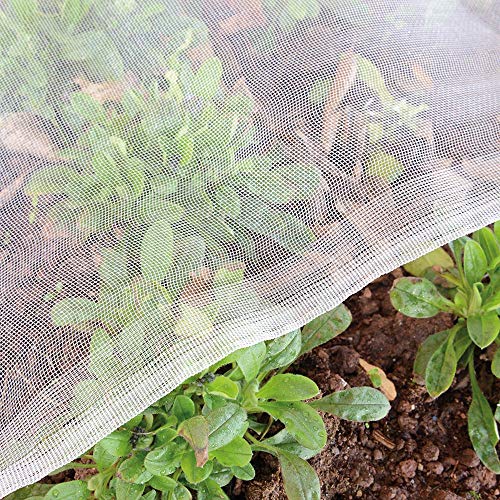
🥬Effective Bug Barrier: Protecting plants and vegetables from a wide range of pest insects and animals, such as cicadas, carrot fly and many species of aphids, you will get a healthier and happier garden
Watering Techniques
Water lettuce plants deeply and consistently. Watering in the morning helps prevent diseases and retains moisture throughout the day. Use a drip irrigation system or soaker hose to deliver water directly to the soil, minimizing waste and moisture loss. Ensure the soil remains moist but never soggy. Check the top inch of soil; if it’s dry, it’s time to water again. During hot periods, consider adding a layer of mulch to retain soil moisture.
Fertilizing Tips
Fertilization supports healthy lettuce growth. Apply a balanced, slow-release fertilizer before planting and follow up with a liquid fertilizer every three to four weeks during the growing season. Aim for a nitrogen-rich formula, as lettuce thrives on nitrogen for leafy growth. Consider using organic fertilizers, such as fish emulsion or seaweed extract, for a natural boost. Perform a soil test to adjust nutrient levels based on specific deficiencies.
Pest and Disease Management
Monitor lettuce plants regularly for pests and diseases. Common pests include aphids, slugs, and caterpillars. Use barriers like row covers to protect young plants from pests. Handpick larger pests, like slugs, and remove them. Introduce beneficial insects, like ladybugs, to control aphid populations naturally. For diseases, practice crop rotation and avoid overhead watering to reduce humidity around plants. If necessary, apply organic fungicides to manage fungal issues, ensuring to follow label instructions carefully.
Harvesting Lettuce
Harvesting lettuce requires timing and technique for the best flavor and texture. You can enjoy fresh, crisp leaves when done correctly.
When to Harvest
Harvest lettuce once it reaches maturity, typically between 30 to 70 days after planting, depending on the variety. Look for the following signs to determine readiness:
- Leaf Size: Harvest Leaf Lettuce when leaves are 4 to 6 inches long. For Head Lettuce, wait until the head feels firm.
- Color: Bright green or deep red indicates optimal flavor.
- Time of Day: Plan to harvest in the morning when the leaves are full of moisture for the best taste.
Proper Harvesting Techniques
Use careful methods to maintain plant health and ensure continued growth. Follow these steps for proper harvesting:
- Tools: Use clean, sharp scissors or garden shears to avoid damaging the plants.
- Cutting: For Leaf Lettuce, snip leaves at their base, allowing inner leaves to continue growing. For Head Lettuce, cut the entire head at the base just above the soil.
- Gentle Handling: Handle harvested leaves gently to minimize bruising.
- Immediate Cooling: Rinse leaves with cool water and store them in a cool place to maintain crispness. Keep them in a salad spinner or a breathable container for freshness.
Following these guidelines ensures a healthy, delectable lettuce crop, ready for your salads or sandwiches.
Conclusion
Growing lettuce in soil can be a rewarding experience that brings fresh flavors to your meals. By following the right steps from soil preparation to harvesting you can enjoy a bountiful crop. Remember to stay attentive to your plants’ needs and adjust your care as necessary. With a little patience and care you’ll be enjoying crisp lettuce straight from your garden in no time. Happy gardening and enjoy your delicious harvest!
Frequently Asked Questions
What type of lettuce is easiest to grow?
Leaf lettuce is generally considered the easiest type to grow, as it matures quickly and can be harvested multiple times. This variety requires less space and is more forgiving with care.
How often should I water my lettuce?
Lettuce should be watered consistently, about 1 to 1.5 inches per week. Ensure the soil is moist but well-drained to prevent rot. Adjust watering based on weather conditions.
When is the best time to harvest lettuce?
The best time to harvest lettuce is in the morning when temperatures are cooler. Look for the leaves to be fully formed and crisp; typically, this is 45 to 75 days after planting.
What tools do I need for harvesting lettuce?
For harvesting lettuce, you’ll need garden scissors or a sharp knife, gloves for protection, and a basket for collecting the cut leaves. Gentle handling is key to prevent bruising.
How can I keep my harvested lettuce fresh?
To keep harvested lettuce fresh, store it in a cool environment immediately after cutting. Place it in a perforated plastic bag in the refrigerator and consume within a week for the best flavor and texture.
