

Growing lettuce in a hydroponic system can yield fresh produce quickly and efficiently. To achieve success, focus on selecting the right nutrient solutions and maintaining optimal environmental conditions. This guide provides essential tips and techniques for hydroponic lettuce cultivation.
Essential Supplies for Hydroponic Lettuce
Growing lettuce hydroponically requires specific supplies to ensure optimal growth and yield. From nutrient solutions to growing mediums, having the right tools can make a significant difference in your success. This section outlines the essential supplies you need to start your hydroponic lettuce garden effectively.
To start your hydroponic lettuce garden, you need specific supplies that ensure optimal growth. Essential items include:
Hydroponic system (NFT, DWC, or aeroponic)
Grow lights for indoor setups
Nutrient solution specifically designed for leafy greens
pH meter for monitoring water acidity
Growing medium like rock wool or clay pellets
| Supply Item | Purpose |
|---|---|
| Hydroponic system | Supports plant growth without soil |
| Grow lights | Provides necessary light for photosynthesis |
| Nutrient solution | Supplies essential minerals and nutrients |
| pH meter | Ensures optimal water conditions |
| Growing medium | Anchors plants and retains moisture |
Hydroponic System Setup for Lettuce Growth
Setting up a hydroponic system for growing lettuce requires careful planning and attention to detail. Understanding the specific needs of lettuce plants, including light, water, and nutrient requirements, is crucial for success. This section will guide you through the essential components and steps to create an optimal environment for thriving lettuce in a hydroponic setup.
Setting up your hydroponic system requires careful planning and execution. Begin by assembling your chosen system, ensuring all components are connected properly. Fill the reservoir with water and mix in the nutrient solution according to the manufacturer’s instructions.
Monitor the pH level and adjust it to maintain a range of 5.5 to 6.5. This range is optimal for lettuce growth.
Check water levels regularly.
Replace nutrient solution every two weeks.
Clean the system to prevent algae and bacteria growth.
Best Lettuce Varieties for Hydroponic Success
Choosing the right lettuce varieties is crucial for a successful hydroponic garden. Certain types thrive better in this soilless environment, offering optimal growth rates and flavor profiles. This section highlights the best lettuce varieties that can help you achieve impressive yields and vibrant greens in your hydroponic setup.
Choosing the right lettuce varieties is crucial for a successful harvest. Some varieties thrive better in hydroponic systems than others. Consider these options:
Butterhead: Tender leaves and quick growth.
Romaine: Crisp texture and nutrient-dense.
Leaf lettuce: Continuous harvest potential.
Each variety has unique growth requirements, so research specific needs for light, temperature, and nutrient levels.
Recommended Products

4 Popular Heirloom Lettuce Varieties: Includes Red Romaine, Bibb Butterhead, Black Seeded Simpson, and Green Ice lettuce seeds to grow crisp, tender, and colorful salad greens with balanced flavor, texture, and visual appeal.
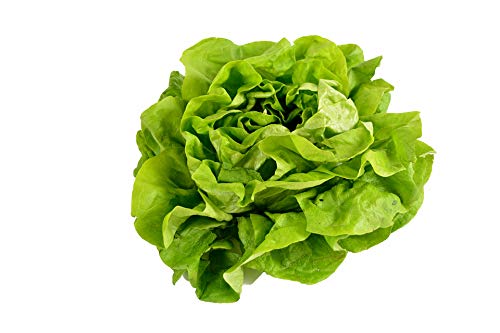
This lettuce is well known for its sweet flavor. Best if harvested in the morning.

COMPLETE VARIETY PACK: Eight popular lettuce seeds including Buttercrunch, Romaine, Iceberg, Bibb, Red Oakleaf, Prizehead, plus Kale and Spinach; Perfect lettuce seeds for planting outdoors or in hydroponic systems
Maintain Optimal Growing Conditions
Creating the right environment is crucial for successful hydroponic lettuce cultivation. Factors such as light, temperature, humidity, and nutrient levels play a significant role in plant health and growth rate. Understanding and managing these conditions will help you achieve a bountiful harvest of crisp, flavorful lettuce.
Creating the right environment is vital for hydroponic lettuce. Key factors include:
Temperature: Ideal range is 60°F to 70°F.
Humidity: Maintain between 50% and 70%.
Light: Provide 12 to 16 hours of light daily.
Use a thermometer and hygrometer to monitor conditions. Adjust grow lights and ventilation as needed to maintain stability.
Nutrient and pH Management for Hydroponic Lettuce
Successful hydroponic lettuce cultivation hinges on precise nutrient and pH management. Understanding the specific requirements for nutrient solutions and maintaining optimal pH levels can significantly influence growth rates and overall plant health. This section delves into the essential practices and tips for achieving the ideal balance in your hydroponic system.
Regularly check the nutrient levels and pH of your hydroponic solution. This ensures that your lettuce receives adequate nutrition for healthy growth.
Use a pH meter to test water acidity weekly.
Adjust nutrient concentrations based on plant growth stages.
Keep a log of pH and nutrient levels for reference.
Optimal Timing for Hydroponic Lettuce Harvest
Understanding the optimal timing for harvesting hydroponic lettuce is crucial for achieving the best flavor and texture. This section delves into the key indicators that signal when your lettuce is ready to be picked, ensuring you maximize both yield and quality. By mastering these timing techniques, you can elevate your hydroponic gardening skills to a professional level.
Timing your harvest is essential for the best flavor and texture. Lettuce is typically ready to harvest within 30 to 60 days, depending on the variety. Signs of readiness include:
Leaves are fully developed.
Color is vibrant and consistent.
Texture is crisp and firm.
To harvest, use a sharp knife to cut the leaves just above the growing medium. This method encourages regrowth for future harvests.
Pest and Disease Prevention Strategies
Maintaining a healthy hydroponic lettuce crop requires vigilance against pests and diseases that can threaten your yield. Understanding effective prevention strategies is essential for any grower aiming to ensure robust plant health and maximize production. This section outlines key techniques to safeguard your hydroponic system from common threats.
Vigilantly monitor for pests and diseases. Common issues in hydroponics include aphids and fungal infections. Implement preventive measures such as:
Inspecting plants regularly.
Maintaining cleanliness in the grow area.
Using organic pesticides if necessary.
Taking these precautions can help ensure a healthy crop.
Hydroponic Lettuce Growth Challenges
Growing lettuce hydroponically offers many advantages, but it also comes with unique challenges that can impact yield and quality. Understanding these obstacles is essential for any grower aiming for success in a hydroponic setup. This section delves into the common issues faced during hydroponic lettuce cultivation and provides insights on how to overcome them effectively.
Even experienced growers encounter challenges. Here are common issues and solutions:
| Issue | Solution |
|---|---|
| Yellowing leaves | Check nutrient levels and pH |
| Wilting plants | Ensure adequate water supply |
| Root rot | Improve aeration and drainage |
By addressing these problems promptly, you can maintain a thriving hydroponic lettuce garden.
Hydroponic Lettuce Maintenance Techniques
Maintaining healthy hydroponic lettuce requires attention to several key techniques that ensure optimal growth and flavor. From monitoring nutrient levels to managing environmental conditions, these practices are essential for achieving a bountiful harvest. Understanding these maintenance strategies will empower you to cultivate vibrant, crisp lettuce in your hydroponic system.
To ensure ongoing success in your hydroponic lettuce cultivation, regularly review your practices. Adjust nutrient solutions based on growth stages and environmental conditions.
Stay informed about new techniques and products in hydroponics. Engaging with the hydroponic community can provide valuable insights and support.
