

Growing and certifying organic commercial squash requires specific practices to meet organic standards and ensure a successful harvest. Start by selecting appropriate seed varieties and implementing effective cultivation techniques to optimize growth and yield.
Essential Supplies for Organic Squash Cultivation
To successfully cultivate organic squash, it’s crucial to gather the right supplies that support both growth and certification. From soil amendments to pest management tools, each component plays a vital role in ensuring a healthy crop. This section outlines the essential items you’ll need to establish a thriving organic squash garden.
To grow organic commercial squash, you need to gather the right supplies. This includes quality seeds, organic fertilizers, and effective pest control solutions. Here’s a checklist of essential items:
| Item | Purpose |
|---|---|
| Organic Seeds | Ensure crop quality and compliance |
| Compost | Improve soil fertility |
| Organic Fertilizer | Provide necessary nutrients |
| Pest Control Products | Manage pests without chemicals |
| Irrigation System | Maintain adequate moisture levels |
Recommended Products
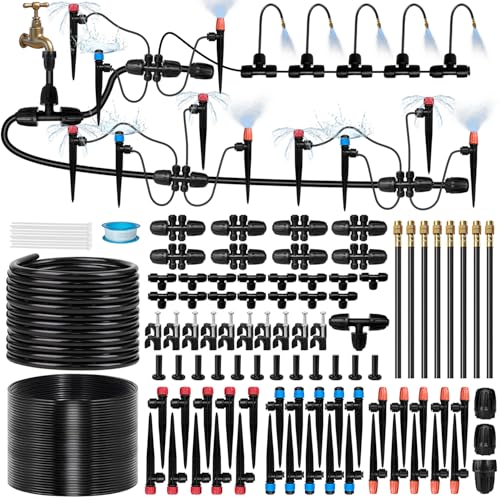
【Upgraded Tube Design & Water Saving】 Our garden watering system is upgraded to 1/2” diameter to support high water pressure. The 1/2” tee connector allows seamless splitting into 2 independent zones for customized watering schedules. By delivering moisture directly to root zones, this drip Irrigation system significantly reduces evaporation and runoff—saving more water compared to conventional sprinklers while eliminating the need for manual watering.
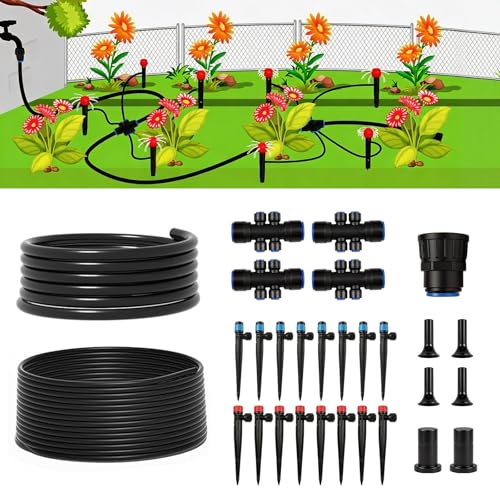
TRUE QUICK CONNECT – NO LEAKS, NO STRUGGLE: Unlike traditional kits that require twisting and force-fitting, our quick-connect design lets you simply push tubing into place. Secure, leak-resistant connections every time — no tools needed.

【Upgraded Tube Design & Water Saving】 Our adjustable garden watering system is upgraded to 1/2” diameter to support high water pressure. The 1/2” tee connector in the package so you can easily set up 2 drip irrigation systems as needed. Garden watering systems minimize stage water loss by recharging water directly to plant roots. While traditional irrigation often results in wasted water, this drip irrigation system saves up to 70% of water, no need for manual watering, saves water.
Soil Preparation for Healthy Squash Growth
Preparing the soil is crucial for cultivating healthy organic squash. This section will guide you through essential practices to enhance soil quality, ensuring optimal growth conditions for your crop. By focusing on soil preparation, you can set the foundation for a thriving squash harvest that meets organic certification standards.
Soil preparation is crucial for healthy squash plants. Start by testing the soil pH and nutrient levels.
Aim for a pH between 6.0 and 6.8. Amend the soil with organic matter to enhance its structure and fertility. Follow these steps for effective soil preparation:
Test Soil using a reliable kit.
Amend Soil with compost and organic fertilizers.
Tillage to break up compacted soil.
Level the Ground to ensure proper drainage.
Optimal Planting Strategies for Squash
Successful squash cultivation begins with understanding optimal planting strategies that cater to the unique needs of organic crops. From soil preparation to planting depth and spacing, these techniques play a crucial role in maximizing yield and ensuring healthy growth. Implementing these practices will set the foundation for a thriving organic squash harvest.
Proper planting techniques will set the foundation for a robust squash crop. Choose a planting date based on your region’s climate, typically after the last frost. Follow these steps for successful planting:
Create Rows spaced 3-4 feet apart.
Plant Seeds 1 inch deep and 2-3 feet apart.
Water Immediately after planting to promote germination.
Mulch around plants to retain moisture and suppress weeds.
Pest and Disease Control Techniques for Squash
Effective pest and disease control is crucial for maintaining healthy organic squash crops. This section outlines various techniques that can help growers manage common threats while adhering to organic certification standards. By implementing these strategies, you can protect your squash plants and ensure a successful harvest.
Pests and diseases can severely impact squash yields. Regular monitoring and proactive management are essential. Here are effective strategies:
Crop Rotation to prevent soil-borne diseases.
Companion Planting with herbs or flowers to deter pests.
Regular Inspections for early detection of issues.
Organic Pesticides as a last resort for severe infestations.
Recommended Products
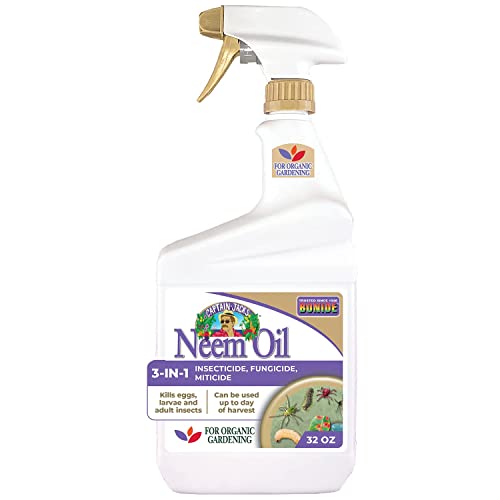
Protect your oasis with 3 garden products in 1 from Captain Jack’s; Bonide Captain Jack’s Ready-to-Use Neem Oil spray for plants is a multi-purpose fungicide, insecticide and miticide for your lawn & garden
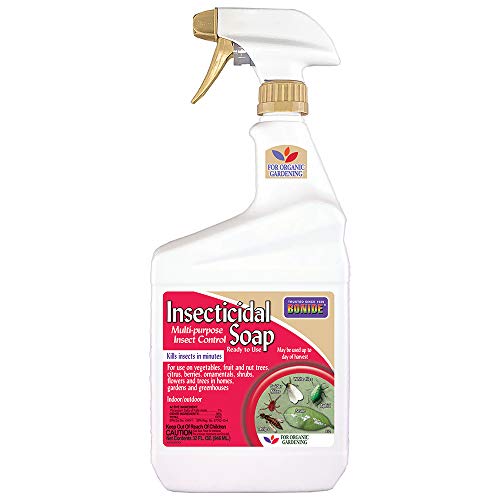
Captain Jack's Insecticidal Super Soap controls species of adelgid, ant, aphid, borer, caterpillar, spider mite, cricket, chinch bug, weevil, fly, thrip, and more
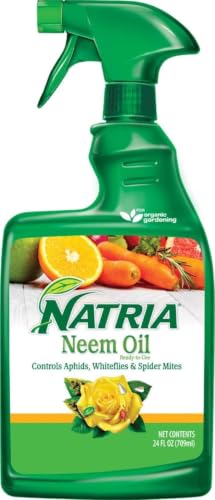
PLANT DISEASE CONTROL: Natria Neem Oil acts as an insecticide and fungicide in one convenient spray; Ready-to-use trigger sprayer requires no mixing
Organic Certification Standards for Squash
Understanding the organic certification standards for squash is essential for growers aiming to produce high-quality, compliant crops. These standards not only ensure the integrity of your squash but also enhance marketability and consumer trust. Familiarizing yourself with the specific requirements will streamline the certification process and contribute to the success of your organic farming venture.
Certification is vital for marketing your squash as organic. Familiarize yourself with the National Organic Program (NOP) standards. Key requirements include:
No Synthetic Chemicals for at least three years prior to harvest.
Record Keeping for all inputs and practices.
Annual Inspections by a USDA-accredited certifying agent.
Maintain Proper Irrigation and Nutrient Management
Effective irrigation and nutrient management are essential for cultivating healthy organic squash. Properly balancing water and nutrients not only supports robust growth but also enhances the quality of your crop. This section will explore best practices to ensure your squash plants thrive throughout the growing season.
Effective irrigation and nutrient management are critical for squash health. Monitor moisture levels regularly and adjust your watering schedule accordingly. Implement these practices:
Drip Irrigation to minimize water waste.
Fertilization Schedule based on plant growth stages.
Soil Moisture Sensors to optimize watering frequency.
Optimal Harvest Timing for Organic Squash
Harvesting organic squash at the right time is crucial for maximizing yield and quality. Understanding the signs of maturity and the ideal conditions for harvesting can significantly impact the flavor and marketability of your crop. This section will guide you through the key indicators and best practices for optimal harvest timing.
Timing your harvest is essential for quality. Squash is typically ready to harvest when the skin is firm and the color is vibrant. Follow these steps for harvesting:
Cut the Stem with sharp scissors or a knife.
Handle Carefully to avoid bruising.
Store in a Cool Place to prolong freshness.
Market Effectively through local farmers’ markets or organic grocery stores.
Ensure compliance with all organic standards to avoid penalties and maintain certification.
Troubleshoot Common Growth Issues
Growing organic commercial squash can present various challenges that may hinder crop success. Understanding common growth issues is essential for maintaining healthy plants and achieving optimal yields. This section will explore typical problems faced by growers and provide practical solutions to ensure a thriving squash harvest.
Even with careful planning, issues can arise during the growing season. Here’s a quick look at common problems:
| Symptom | Primary Suspect | Difficulty (1-5) |
|---|---|---|
| Yellowing Leaves | Nutrient Deficiency | 3 |
| Blossom End Rot | Calcium Deficiency | 4 |
| Wilting Plants | Underwatering | 2 |
| Pest Damage | Insect Infestation | 3 |
Regularly assess your plants and adjust your practices based on these symptoms to ensure a healthy crop.
