

Ever thought about growing your own lettuce in Arizona’s warm climate? You’re not alone! Many gardeners face the challenge of cultivating fresh greens in the desert heat. But don’t worry; with the right tips and techniques, you can enjoy a bountiful harvest right from your backyard.
Key Takeaways
- Understand Arizona’s Climate: Lettuce thrives in temperatures between 60°F and 70°F, with fall and spring as the best planting seasons to avoid heat stress.
- Choose Suitable Varieties: Opt for heat-tolerant varieties like Butterhead, Romaine, and looseleaf lettuce to ensure a successful harvest in warmer conditions.
- Prepare Your Soil: Utilize well-draining, loamy soil rich in organic matter, maintaining a pH between 6.0 and 6.8 to promote healthy growth.
- Optimize Planting and Care: Implement techniques such as succession planting, applying shade cloth during hot periods, and consistent pest monitoring for stronger plants.
- Harvest Appropriately: Recognize readiness signs like firm leaves and vibrant color; harvest before bolting to ensure flavor and quality.
- Store for Freshness: Rinse, dry, and refrigerate harvested lettuce appropriately to maintain crispness, aiming to use it within a week for the best taste.
Understanding Arizona’s Climate for Lettuce Growth
Growing lettuce in Arizona’s warm climate presents unique challenges. Understanding specific temperature requirements and seasonal cycles helps you cultivate healthy plants and achieve a successful harvest.
Ideal Temperature Ranges
Lettuce thrives in cooler temperatures, ideally between 60°F and 70°F. Stress occurs when temperatures exceed 75°F, leading to bolting or bitter flavor. Consider using shade cloth during hot afternoons to protect your crops. You can also provide morning shade by placing taller plants nearby. For optimal growth, plant varieties like Butterhead or Romaine, which tolerate heat better.
Seasonal Considerations
Timing your planting aligns with Arizona’s unique seasons. The fall and spring months are ideal for growing lettuce. In fall, sow seeds from September to October, allowing for cool growth as temperatures decrease. For spring planting, choose February to March, ensuring your crops mature before the intense heat arrives. By monitoring local frost dates, you can ensure successful planting. Consider succession planting every two weeks to extend your harvest period.
Selecting the Right Lettuce Varieties
Choosing the right lettuce varieties is crucial for success in Arizona’s climate. Some varieties perform better in the heat, ensuring you can enjoy a good harvest.
Recommended Products
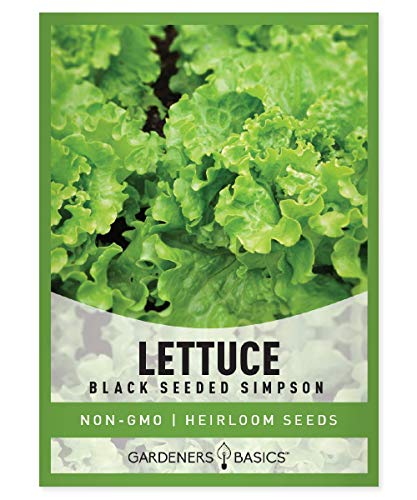
Black Seeded Simpson is a classic heirloom loose leaf lettuce with large, tender green leaves and a mild, sweet flavor. Harvest fresh leaves for salads, sandwiches, wraps, and other homegrown meals.

CLASSIC HEIRLOOM LETTUCE SEEDS – Black-seeded Simpson is a beloved loose-leaf lettuce with light green ruffled leaves and sweet mild taste, ideal for fresh salads and easy harvests from spring through fall

Exceptional Germination Rates - Achieve a lush garden effortlessly with our Butter Crunch Lettuce seeds, boasting high germination rate. Ideal for both beginners and experienced gardeners, ensuring a successful harvest every time.
Leaf Lettuce Options
Leaf lettuce thrives in warmer temperatures compared to other types. Popular options include:
- Butterhead: This variety has a soft, tender texture and holds up well in heat. It matures quickly, making it perfect for successive planting.
- Looseleaf: Varieties like Red Romaine and Green Leaf grow rapidly and tolerate warm weather. Their leaves are picked individually, allowing for continuous harvest.
- Frisée: This curly leaf lettuce adds texture and flavor to salads. It’s heat-tolerant and grows well in Arizona’s climate.
Head Lettuce Options
Head lettuce varieties generally need more care, but certain options can succeed in heat. Consider the following:
- Romaine: Known for its crisp texture and nutritional value, Romaine can withstand higher temperatures. Harvest it when the heads are firm but not overly large.
- Iceberg: This variety develops a dense head and is very popular. While it prefers cooler temperatures, you can still grow it in a partial shade to reduce heat stress.
- Butterhead: As mentioned earlier, Butterhead lettuce can also be considered a head lettuce type. Its ability to thrive in warmth makes it a versatile choice.
Choosing heat-tolerant varieties and optimal planting times will enhance your chances of a robust lettuce harvest in Arizona.
Preparing Your Garden for Lettuce
Preparing your garden for lettuce involves understanding specific requirements for soil, sunlight, and watering to ensure a successful harvest.
Soil Requirements and Amendments
Soil plays a crucial role in lettuce growth. Aim for loamy, well-draining soil rich in organic matter. Here are key points to consider:
- pH Level: Keep the soil pH between 6.0 and 6.8 for optimal nutrient absorption.
- Organic Matter: Mix in compost or aged manure to improve soil structure and fertility. This addition supports microbial activity, promoting healthy growth.
- Drainage: Test for drainage. Lettuce prefers moist but not soggy conditions. Raise garden beds if necessary to improve drainage in heavy soils.
- Fertilization: Apply a balanced fertilizer before planting. A 10-10-10 NPK formula works well. Follow instructions for application rates based on your soil condition and size of the planting area.
Sunlight and Watering Needs
Lettuce requires specific sunlight and watering practices to thrive in Arizona’s sunny climate.
- Sunlight: Provide at least 6 hours of direct sunlight daily. Too much intense heat may stress plants. Consider using shade cloth during peak afternoon hours, especially for tender varieties.
- Watering: Maintain consistent moisture. Water deeply 1-2 times per week, depending on rainfall. Early morning is the best time for watering to prevent evaporation. Aim for 1-2 inches of water weekly, adjusting for heat and plant age.
Using mulch can help retain moisture and regulate soil temperature, benefiting lettuce growth throughout warmer seasons. By addressing soil and light conditions, you’ll set a solid foundation for your lettuce garden.
Planting and Caring for Lettuce
Planting and caring for lettuce in Arizona requires attention to detail, especially considering the unique climate. Follow these guidelines to ensure a successful harvest.
Planting Techniques
- Select the Right Time: Aim for fall (September to October) or spring (February to March). These periods provide the cooler temperatures lettuce needs.
- Prepare the Soil: Amend the soil to achieve a loamy texture. Use compost or aged manure to enrich it. Maintain a pH between 6.0 and 6.8.
- Sow Seeds: Plant seeds about ¼ to ½ inch deep. Space them 6 to 12 inches apart, depending on the variety. After planting, water lightly to moisten the soil.
- Use Shade Cloth: If daytime temperatures rise above 75°F, cover your lettuce with shade cloth. This helps prevent stress and boosts growth.
- Implement Succession Planting: Plant every two weeks to extend your harvest. This method keeps fresh lettuce coming throughout the growing season.
- Monitor for Pests: Regularly check leaves for pests like aphids and slugs. Use insecticidal soap as a preventive measure. Handpick larger pests when spotted.
- Cater to Soil Health: Healthy soil promotes stronger plants. Avoid overwatering to prevent root rot, which can attract pests.
- Rotate Crops: Practice crop rotation each season. This helps reduce soil-borne diseases. Follow lettuce with other crops, such as beans or kale.
- Observe Signs of Disease: Look for wilting, yellowing, or spots on leaves. Fungal diseases can often lead to these issues. Remove infected leaves promptly.
- Consider Companion Planting: Integrate plants like marigolds or garlic next to your lettuce. These can deter harmful insects naturally.
By implementing these planting and care techniques, you’ll create a thriving environment for your lettuce to grow in Arizona’s challenging climate.
Harvesting and Storing Lettuce
Harvesting lettuce involves recognizing the right time and using methods that ensure freshness. With proper harvesting techniques and storage methods, you can enjoy your lettuce for longer periods.
Signs of Readiness
Look for specific indicators to determine when your lettuce is ready for harvest.
- Leaves: Mature leaves should feel firm and crisp but not wilted or overly soft.
- Size: Leaf lettuce varieties are ready when leaves reach about 6-8 inches long. Head lettuce varieties typically need to form well-defined heads.
- Color: Vibrant, rich green leaves indicate health and maturity, signaling that it’s time to harvest.
- Bolting: Watch for signs of bolting, which appears as flowering stems. Harvest before this occurs to ensure the best flavor.
Best Storage Practices
Storing harvested lettuce properly maintains its freshness and crispness.
- Rinse: Lightly rinse the harvested leaves in cool water to remove soil or debris.
- Dry: Use a salad spinner or clean kitchen towel to dry the leaves thoroughly. Excess moisture can lead to spoilage.
- Wrap: Place lettuce in a damp paper towel, then wrap it loosely in plastic or store in a breathable bag.
- Refrigerate: Store lettuce in the vegetable crisper drawer of your fridge, where humidity levels are higher. Aim for a temperature between 32°F and 36°F.
- Use Quickly: Plan to use your lettuce within a week for optimal freshness, although some varieties may last longer.
By recognizing readiness signs and adhering to storage best practices, you ensure a satisfying harvest and enhance your culinary experiences with homegrown lettuce.
Conclusion
Growing lettuce in Arizona might seem challenging but it’s definitely achievable with the right approach. By understanding the unique climate and selecting suitable varieties you can enjoy fresh greens right from your backyard. Remember to keep an eye on the temperatures and use shade cloth when needed to keep your plants happy.
With proper soil preparation consistent watering and timely harvesting you’ll set yourself up for success. Embrace the journey of gardening and savor the satisfaction of enjoying your homegrown lettuce. Happy gardening and here’s to a bountiful harvest!
Frequently Asked Questions
What are the best lettuce varieties for hot climates in Arizona?
Lettuce varieties that thrive in Arizona’s heat include Butterhead, Romaine, Looseleaf, and Frisée. These heat-tolerant options are well-suited for warmer temperatures, ensuring a successful harvest.
What are the optimal planting times for growing lettuce in Arizona?
The ideal planting times for lettuce in Arizona are in fall (September to October) and spring (February to March). These periods help maximize growth in cooler temperatures.
How can I protect my lettuce plants from heat stress?
To protect lettuce from heat stress, use shade cloth to block intense sun and consider planting heat-tolerant varieties. Water consistently to help keep the plants hydrated.
What soil conditions are best for growing lettuce?
Lettuce prefers loamy, well-draining soil with a pH between 6.0 and 6.8. Enrich the soil with organic matter like compost to ensure proper nutrition and drainage.
How often should I water my lettuce plants?
Lettuce should receive 1-2 inches of water weekly, ideally in the early morning. Consistent watering helps maintain hydration and prevents stress from high temperatures.
When should lettuce be harvested for the best quality?
Harvest lettuce when leaves are firm, crisp, and vibrant in color, before signs of bolting appear. This ensures the best flavor and texture in your homegrown produce.
What is the best way to store harvested lettuce?
To store lettuce, rinse and dry it thoroughly. Wrap it in a paper towel or cloth, then refrigerate to keep it fresh. Consume within a week for optimal quality.
