

Have you ever wanted to enjoy fresh, crisp lettuce right from your own home? Growing lettuce from seeds in a pot is not only easy but also a rewarding way to enhance your meals. Picture this: stepping outside to snip a few leaves for your salad, knowing they’re organic and free from chemicals.
In this article, you’ll learn simple steps to successfully grow lettuce in containers, even if you’re short on space. From selecting the right seeds to maintaining the perfect environment, we’ve got you covered. By the end, you’ll be ready to cultivate your own mini garden and savor the taste of homegrown goodness.
Key Takeaways
- Selecting the Right Container: Use pots with drainage holes, ideally 6-12 inches deep, to facilitate healthy root growth. Options include plastic, clay, or window boxes.
- Choosing Quality Soil: Opt for a well-draining, organic potting mix with a pH level between 6 and 7; consider adding compost for enhanced nutrients.
- Sowing Seeds: Plant lettuce seeds at a depth of ¼ to ½ inch, spacing them 4 to 12 inches apart. Timing is crucial; aim for early spring or late summer based on your climate.
- Consistent Care: Water lettuce every 2-3 days, ensuring the soil remains moist yet not soggy. Provide 6-8 hours of sunlight daily and adjust for heat by offering partial shade as needed.
- Proper Harvesting: Harvest leaves when they reach 4-6 inches for loose-leaf varieties or when heads feel firm for head lettuce, using clean scissors to avoid damaging plants. Leave some leaves for regrowth.
Preparing for Planting
Creating a suitable environment for growing lettuce from seeds ensures healthy growth and a bountiful harvest. Focus on two key aspects: selecting the right container and choosing the best soil.
Selecting the Right Container
Choose a container with drainage holes to prevent water logging. Options include:
- Plastic Pots: Lightweight and versatile. They retain moisture well.
- Clay Pots: Porous material allows airflow but requires more frequent watering.
- Window Boxes: Ideal for limited space. They provide ample room for multiple lettuce plants.
Ensure the container has a depth of at least 6 to 12 inches. This depth accommodates the roots, allowing for robust growth.
Choosing the Best Soil
Opt for a high-quality potting mix designed for container gardening. Consider these points:
- Organic Options: Choose organic soil to promote healthy plant development.
- Well-Draining Mix: Select a mix that retains moisture without becoming soggy.
- pH Level: Aim for a soil pH between 6 and 7 for optimal lettuce growth.
You can also amend the soil with compost to boost nutrients. This enhancement supports seedling vigor and overall growth.
Sowing Lettuce Seeds
Sowing lettuce seeds is a straightforward process that leads to a bountiful harvest. Follow these steps for successful planting.
Recommended Products

EASIER SEED STARTING: Our Burpee SuperSeed tray with 36 flexible pop-out cells is designed to simplify indoor seed starting for all your favorite vegetables, flowers and herbs. Just add seed starting mix, seeds, water and light to get growing! Rows are labeled alphanumerically for seedling identification with included Plant-o-Gram diagram. Tray dimensions: 11.5" x 10-3/8" x 2-1/4"
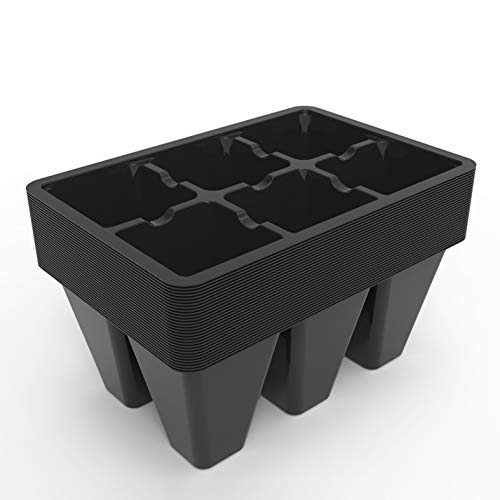
High Quality and Durable - Our Gardzen Seed Start Trays are made from premium plastic material, ensuring long-lasting use for all your seed starting needs. These trays are designed to withstand daily wear and tear, making them perfect for avid gardeners.

Upgraded Flexible Cells: Upgraded Silicone Seed Starter Tray with 12 flexible pop-out cells per tray. The soft silicone cells keep seedlings well protected and can be gently bent and popped out when it's time to transplant to your outdoor garden! Our seed starting trays are specifically designed to reduce stress on seedlings, so you won't damage their roots when transplanting
Timing for Successful Germination
Timing matters when planting lettuce seeds. Aim for early spring or late summer for optimal results. Soil temperatures should be between 50°F and 70°F. If you’re in a warmer climate, consider planting seeds in the fall for a winter harvest. Monitor local frost dates to avoid setbacks.
Planting Depth and Spacing
Plant lettuce seeds at a depth of ¼ inch to ½ inch. You can scatter seeds or place them in rows. Maintain a spacing of 4 to 12 inches between plants, depending on the variety. For baby lettuce, closer spacing is acceptable, while larger heads need more room. Thin seedlings as they grow to prevent overcrowding, allowing for adequate air circulation and growth.
Caring for Your Lettuce
Caring for your lettuce is essential for achieving a bountiful harvest. Focus on adequate watering and sunlight to support healthy growth.
Watering Techniques
Water your lettuce consistently. Aim for soil that stays moist but not soggy.
- Frequency: Water every 2-3 days during warm weather. Check daily for signs of dryness.
- Method: Use a watering can or garden hose with a spray attachment. Disperse water evenly to avoid puddles or runoff.
- Drainage: Ensure pots have drainage holes to let excess water escape, preventing root rot.
Adjust watering based on rainfall and temperature. Leafy greens, like lettuce, thrive with regular moisture but can be sensitive to overwatering.
Providing Adequate Sunlight
Let your lettuce bask in sunlight. Aim for 6-8 hours of direct sunlight daily.
- Location: Position your pot in a sunny spot, like a south-facing balcony or patio.
- Rotating: Turn the pot every week to ensure even growth on all sides.
- Shade: If temperatures exceed 75°F, provide partial shade during the hottest part of the day to protect against wilting.
Monitor your plants. Yellowing leaves can indicate insufficient light. Adjust their placement as needed to promote lush, vibrant growth.
Harvesting Your Lettuce
Harvesting lettuce is a rewarding experience, signaling the successful completion of your gardening efforts. You’ll know it’s time to collect your greens when the leaves reach a desirable size.
Signs of Readiness
- Leaves should be crisp and vibrant, indicating freshness.
- Outer leaves typically grow larger than the inner ones, making them suitable for harvest first.
- For loose-leaf varieties, harvest when the leaves are about 4-6 inches long.
- For heads of lettuce, wait until the head feels firm to the touch, usually when it’s around 6-8 inches in diameter.
- Use clean garden scissors to avoid damaging plants.
- Cut leaves about an inch above the base for loose-leaf varieties.
- For head lettuce, slice through the base at soil level.
- Inspect for any pests or disease signs during harvesting; address any issues promptly.
- Aim to harvest in the morning when moisture levels are higher to maintain crispness.
- Leave some leaves intact to encourage regrowth, allowing for a second or even third harvest.
Following these guidelines ensures you enjoy fresh, homegrown lettuce for your meals.
Conclusion
Growing lettuce from seeds in a pot can be a fun and rewarding experience. With the right container and care you can enjoy fresh greens right from your home. Remember to keep an eye on your plants’ needs for sunlight and water to help them thrive.
As you harvest your lettuce take a moment to appreciate the effort you’ve put in. Each bite of your homegrown produce will remind you of the joy of gardening. So grab your seeds and get started on your lettuce-growing adventure today. You’ll be amazed at how satisfying it is to grow your own food!
Frequently Asked Questions
How do I grow lettuce from seeds in containers?
Growing lettuce from seeds in containers involves selecting a suitable pot, using quality soil, and sowing seeds at the correct depth and spacing. Ensure the container has drainage holes and follow the instructions for the specific lettuce variety to achieve optimal results.
How often should I water my lettuce plants?
Lettuce plants should be watered consistently every 2-3 days. Check the soil moisture; adjust your watering frequency based on rainfall and temperature to prevent over or underwatering, ensuring healthy growth.
How much sunlight do lettuce plants need?
Lettuce needs about 6-8 hours of direct sunlight daily for optimal growth. Position your containers in a spot that gets adequate sun exposure, and monitor your plants to ensure they’re not getting too much or too little light.
When is the best time to harvest lettuce?
The best time to harvest lettuce is in the morning when the leaves are crisp and full of moisture. Look for signs of readiness, such as mature size and vibrant color, and ensure you inspect for pests before cutting.
Can I re-harvest from the same lettuce plant?
Yes, you can re-harvest from the same lettuce plant by leaving some leaves intact after cutting. This encourages regrowth, allowing you to enjoy a continuous supply of fresh lettuce throughout the growing season.
