

Have you ever wanted to enjoy fresh, crisp lettuce right from your kitchen? Growing lettuce from seed indoors is not only easy but also rewarding. Imagine snipping off your own homegrown greens for salads or sandwiches without stepping outside.
Key Takeaways
- Lettuce Varieties: Choose from various types of lettuce (loose-leaf, Butterhead, Romaine, and Crisphead) based on your taste, space, and light conditions for successful indoor growth.
- Essential Supplies: Gather necessary supplies including high-quality seeds, containers with drainage, appropriate potting mix, grow lights, and proper watering tools for a smooth planting process.
- Indoor Gardening Setup: Select a suitable location that offers 12-16 hours of light, maintains temperatures between 60°F and 70°F, and ensures good air circulation to promote healthy growth.
- Seed Sowing and Care: Follow a step-by-step process to sow seeds, providing proper watering, humidity levels, and fertilization to support vigorous growth and maintain healthy plants.
- Troubleshooting: Monitor for pests and diseases like aphids and downy mildew; recognize the signs early and adjust conditions like light, temperature, and humidity to combat issues effectively.
Understanding Lettuce Varieties
Growing lettuce indoors offers a variety of options to suit your taste and space. Understanding the different types of lettuce can help you select the best ones for your indoor garden.
Popular Lettuce Types for Indoor Growing
- Loose-Leaf Lettuce: This variety doesn’t form a head and produces tender leaves. Examples include Buttercrunch and Red Romaine. These grow well in containers and are easy to harvest progressively.
- Butterhead Lettuce: Known for its soft, buttery texture, Butterhead varieties like Bibb are compact and thrive in small spaces. They flourish in moderate light and add a delicate flavor to salads.
- Romaine Lettuce: Romaine varieties, such as Paris Island, stand tall with crunchy leaves. They require slightly more space but adapt well to indoor conditions. Use them for Caesar salads or sandwiches.
- Crisphead Lettuce: Also known as iceberg, Crisphead types, like Great Lakes, produce dense, firm heads. These grow somewhat slower and need adequate light and space to thrive.
Choosing the Right Variety for Your Space
Consider these factors when selecting your lettuce variety:
- Light Requirements: Determine how much natural light your space receives. Varieties like loose-leaf grow well in less light, while Crisphead varieties may need more exposure.
- Container Size: Opt for a variety that fits your container size. Compact varieties like Butterhead are ideal for small pots, while larger pots suit Romaine or Crisphead.
- Harvest Time: Choose varieties based on how quickly you want to harvest. Loose-leaf types provide a faster yield, often within 30 days, while Crisphead may take up to 80 days.
- Taste Preferences: Pick based on your culinary preferences. If you enjoy crunchy textures, Romaine or Crisphead varieties fit well. For tender leaves, choose Butterhead or loose-leaf types.
By understanding these aspects of lettuce varieties, you can create a flourishing indoor garden that suits your needs and preferences.
Preparing for Indoor Gardening
Preparing for indoor gardening creates a foundation for successful lettuce growth. You’ll need to gather essential supplies and select the right location in your home.
Recommended Products

🌻Efficient LED Combination: This LED lamp has grow lights made up of 80 efficient growing LEDs ( 32 red lights, 12 blue lights,20 yellow lights and 16 white lights). It meets the conditions of plant growth without sunlight. 1--Full Spectrum(380nm-800nm): Suitable for all plants to root and sprout. 2--Red(660nm)+BLUE(460nm) Spectrum: for blooming and fruits. 3--Red+Blue+Full Spectrum: A mix of Red+Blue+Warm White is best to fuel the growth of your plants.
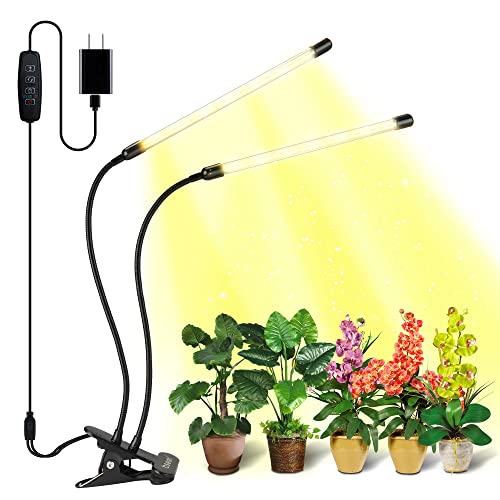
Full Spectrum LED with Yellow and White Combination: Bseah led grow light can promote photosynthesis, germination, growth, flowering and fruiting of plants.

FULL SPECTRUM & NATURAL LIGHT: A19 full spectrum grow light appears 4000K white to eyes but has a red/blue light spectrum. Same as natural sun shine, perfect for tomatoes, cucumbers, peppers, leafy greens and herbs at all growth stages.
Essential Supplies Needed
Gather these supplies to ensure a smooth start:
- Seeds: Choose from varieties like loose-leaf, Butterhead, Romaine, or Crisphead based on your taste preferences.
- Containers: Use pots or trays that have drainage holes. Each container should be at least 4 to 6 inches deep.
- Potting Mix: Select a quality, well-draining potting mix specifically designed for indoor gardening.
- Grow Lights: If natural light is limited, invest in fluorescent or LED grow lights to provide the necessary illumination.
- Watering Can: Use a small watering can with a narrow spout to control watering precisely.
- Labels: Consider using plant labels to track different lettuce varieties.
Selecting the Ideal Location
Choosing the perfect spot for your indoor garden maximizes growth potential. Follow these guidelines:
- Light Exposure: Look for a location with at least 12-16 hours of light daily. South-facing windows work best for natural light.
- Temperature: Maintain a temperature between 60°F to 70°F (15°C to 21°C). This range promotes healthy lettuce growth.
- Air Circulation: Ensure good air circulation to prevent mold and mildew. Position fans if necessary, but keep them away from direct drafts.
- Accessibility: Pick a spot that’s easy to access for regular care, including watering and harvesting.
By preparing the right supplies and setting up an ideal location, you enhance your chances of growing vibrant, healthy lettuce indoors.
Starting Lettuce Seeds Indoors
Starting lettuce seeds indoors creates an excellent foundation for a successful indoor garden. This process allows you to control the growing conditions, ensuring your lettuce thrives.
Recommended Products

EASIER SEED STARTING: Our Burpee SuperSeed tray with 36 flexible pop-out cells is designed to simplify indoor seed starting for all your favorite vegetables, flowers and herbs. Just add seed starting mix, seeds, water and light to get growing! Rows are labeled alphanumerically for seedling identification with included Plant-o-Gram diagram. Tray dimensions: 11.5" x 10-3/8" x 2-1/4"

EASIER SEED STARTING: Our Burpee SuperSeed tray with 16 extra-large flexible pop-out cells is designed to simplify indoor seed starting. Just add seed starting mix, seeds, water and light to get growing! Rows are labeled alphanumerically for seedling identification with included Plant-o-Gram diagram.

EASIER SEED STARTING: Our Burpee SuperSeed tray with 8 extra-large flexible pop-out cells is designed to simplify indoor seed starting. Just add seed starting mix, seeds, water and light to get growing! Perfectly sized for starting seeds in the windowsill: 11.5" x 5-3/16" x 2-1/4". Rows are labeled alphanumerically for seedling identification with included Plant-o-Gram diagram.
Step-by-Step Seed Sowing Process
- Prepare Containers: Select containers that are 3 to 4 inches deep. Ensure they have drainage holes to prevent waterlogging. You can use seed trays, pots, or recycled containers.
- Fill with Soil: Fill each container with quality potting mix, leaving about half an inch from the top. Moisten the soil slightly before sowing.
- Sow Seeds: Scatter lettuce seeds evenly over the surface of the soil. For smaller types, plant seeds about 1 inch apart. Cover them lightly with a thin layer of soil, approximately 1/8 inch deep.
- Water Thoroughly: Water gently using a watering can or spray bottle to avoid displacing seeds. Ensure the soil remains consistently moist, but not soggy.
- Provide Light: Place the containers in a location with bright, indirect sunlight or under grow lights for 12 to 16 hours daily. If using grow lights, keep them 2-4 inches above the seedlings.
- Monitor Temperature: Maintain a temperature between 65°F and 75°F for optimal growth. Use a seedling heat mat if your indoor environment is cool.
- Thin Seedlings: Once seedlings develop true leaves, thin them out, leaving the strongest plants about 4 inches apart. This step promotes better air circulation and growth.
Optimal Soil and Potting Techniques
Choosing the right soil and potting techniques significantly impacts lettuce growth. Opt for a lightweight, well-draining potting mix rich in organic matter. Here are important tips:
- Soil Type: Use soil designed for seed starting, which ensures proper drainage and aeration. Look for a mix that contains peat moss, vermiculite, or perlite.
- Fertilization: Mix a slow-release organic fertilizer into the potting mix before sowing. Alternatively, apply a diluted liquid fertilizer every two weeks once seedlings are established.
- Container Options: Consider using biodegradable pots to minimize transplant shock when moving seedlings outdoors. These pots can be planted directly in the ground.
- Avoid Overcrowding: Provide adequate space in containers to promote healthy root development. Choose container sizes based on the number of lettuce plants you’re growing.
Following these steps efficiently sets you up for success in growing lettuce seeds indoors. Enjoy the rewarding experience of nurturing your garden from seed to harvest.
Providing Proper Care
Providing proper care for your indoor lettuce ensures healthy growth and a bountiful harvest. Focus on key aspects like watering, humidity, and fertilization.
Recommended Products

PLANT TRAY VALUE - Plant drainage tray, 6 packs plant tray saucers rectangular, Plant Saucers for Indoors, outer diameter is 6 X 11 inch width and inner diameter is 9.7 X 4.7 inch width, 1.1'' Height, suitable for flower pot with bottom diameter less than 10 inches.
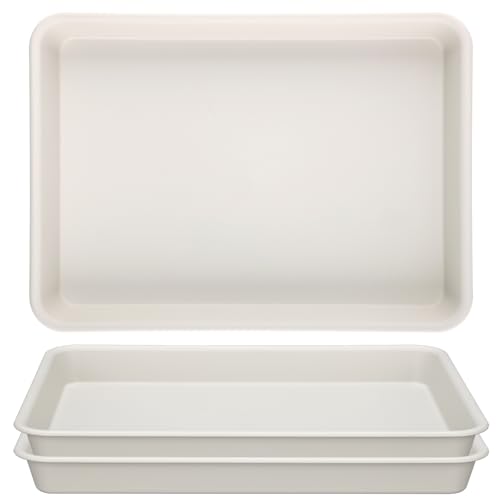
【Value Package】Package includes 3 pcs 11 inch beige plant pot saucer. These versatile plant trays for pots make it easy to create your ideal plant setup.

Self-Watering System: Solves new growers’ top concern—overwatering or drying out. This seed starter tray features a capillary mat and water reservoir that provide consistent moisture, reducing the need for frequent watering. one watering supports seeds from germination to transplanting.
Watering and Humidity Considerations
Watering requires a consistent approach. Water your lettuce when the top inch of soil feels dry. Use room temperature water to avoid shocking the plants. Ensure excess water drains away to prevent root rot.
Humidity plays a crucial role in lettuce care. Ideal indoor humidity levels range from 40% to 70%. If your home is dry, consider using a humidity tray or misting the plants regularly. Monitor the leaves for signs of stress; yellowing can indicate overwatering, while wilting may signal underwatering.
Fertilizing for Healthy Growth
Fertilizing promotes vigorous growth. Start fertilizing once seedlings have true leaves, typically 2-3 weeks after germination. Use a balanced, water-soluble fertilizer diluted to half-strength every 2 weeks.
Choose organic options, like fish emulsion or liquid seaweed, for a natural approach. If growth slows, increase fertilizer application slightly. Observe your plants; healthy leaves should show a rich, vibrant color. Adjust fertilization schedules based on growth habits and conditions to maintain optimal health.
Troubleshooting Common Issues
Growing lettuce indoors can come with its challenges. Recognizing and addressing these issues early maintains healthy plants and ensures a productive harvest.
Pests and Diseases to Watch For
Several pests and diseases may affect your indoor lettuce. Monitor your plants closely for signs of trouble.
- Aphids: Small, soft-bodied insects that cluster on new growth. If you notice curled or deformed leaves, inspect for aphids and use insecticidal soap or neem oil to control them.
- Spider Mites: Tiny pests that create fine webs on leaves. Look for yellowed leaves and silk-like structures. Increase humidity or apply pest oil to eliminate these mites.
- Downy Mildew: A fungal disease that appears as fuzzy gray spots on the underside of leaves. Ensure good air circulation and avoid overhead watering to prevent this issue.
- Fungal Rot: Can develop in overly wet soil. Reduce watering frequency and ensure pots have proper drainage to combat it.
Regularly inspect your plants. Quick action prevents larger infestations or infections.
Adjusting Conditions for Better Growth
Creating optimal growing conditions significantly impacts your lettuce yield. Adjust specific factors to enhance growth:
- Light: Ensure your lettuce receives 12 to 16 hours of bright light daily. If natural light is insufficient, supplement with grow lights positioned 6 to 12 inches above the plants.
- Temperature: Maintain a consistent temperature between 60°F and 70°F. Use a thermostat or thermometer to monitor conditions and adjust accordingly.
- Humidity: Ideal indoor humidity levels for lettuce range from 40% to 70%. If it’s too dry, consider using a humidifier, placing humidity trays with water, or misting your plants.
- Watering: Consistently check soil moisture. Water when the top inch of soil feels dry and ensure excess water drains adequately.
By proactively managing these conditions, you’ll foster a thriving indoor lettuce garden.
Conclusion
Growing lettuce from seed indoors is a fun and fulfilling way to enjoy fresh greens right from your kitchen. With the right supplies and a bit of patience you can create a thriving indoor garden that yields delicious lettuce varieties tailored to your taste.
Remember to keep an eye on your plants and adjust their care as needed. Regular checks for pests and proper watering will keep your lettuce healthy and vibrant.
So grab those seeds and get started on your indoor gardening adventure. You’ll love the satisfaction of harvesting your own homegrown lettuce!
Frequently Asked Questions
What are the benefits of growing lettuce indoors from seeds?
Growing lettuce indoors from seeds allows you to enjoy fresh, nutritious greens right from your kitchen. It’s an easy and rewarding process, giving you control over growing conditions and ensuring you have a supply of lettuce at your convenience.
Which lettuce varieties are best for indoor gardening?
Popular indoor lettuce varieties include loose-leaf, Butterhead, Romaine, and Crisphead. Each type has unique growth habits, light requirements, and flavor profiles, enabling you to select the one that suits your taste and space best.
What supplies do I need to start growing lettuce indoors?
Essential supplies for growing lettuce indoors include quality seeds, containers with drainage holes, a nutrient-rich potting mix, grow lights, a watering can, and plant labels. These items will help you create the optimal environment for healthy growth.
How do I start lettuce seeds indoors?
To start lettuce seeds indoors, prepare your containers with potting mix, sow the seeds at the recommended depth, water them gently, and provide adequate light. Make sure to monitor temperature and thin seedlings as they grow for better air circulation.
How should I care for indoor lettuce plants?
Care for indoor lettuce includes consistent watering when the top inch of soil is dry, maintaining humidity levels between 40%-70%, and using a balanced, diluted fertilizer every two weeks. Regularly check for pests to ensure healthy growth.
What common issues should I look out for with indoor lettuce?
Common problems include pests like aphids and spider mites, as well as diseases like downy mildew. Regularly inspect your plants and adjust conditions—such as light, humidity, and temperature—to prevent infestations and promote healthy lettuce growth.
