

Have you ever bought a fresh head of lettuce only to toss the scraps in the trash? What if you could turn those leftovers into a new crop? Growing lettuce from a lettuce head is not only easy but also a fun way to reduce waste and enjoy homegrown greens.
Key Takeaways
- Growing Method: You can easily regrow lettuce from a purchased lettuce head, significantly reducing food waste and providing fresh greens at home.
- Types of Lettuce: Familiarize yourself with different types such as Romaine, Butterhead, Iceberg, Leaf, and Red Lettuce to choose the flavor and texture you enjoy most.
- Nutritional Benefits: Lettuce is low in calories and rich in vitamins A and K, antioxidants, hydration, and fiber, contributing to a healthy diet.
- Preparation Steps: Use a fresh lettuce head, a shallow water container, quality potting soil, and a balanced fertilizer to prepare for lettuce growth.
- Optimal Conditions: Lettuce requires 6-8 hours of indirect sunlight and thrives in cool temperatures between 60°F and 70°F, making location and environment crucial for success.
- Common Challenges: Be aware of pests and diseases, maintain proper watering practices, and monitor environmental conditions to ensure a thriving lettuce crop.
Understanding Lettuce Heads
Growing lettuce from a lettuce head is straightforward and rewarding. Familiarity with the types of lettuce heads and their nutritional benefits can enhance your experience and success.
Types of Lettuce Heads
- Romaine Lettuce: Features long, upright leaves. It offers a crunchy texture and is ideal for salads and sandwiches.
- Butterhead Lettuce: Characterized by its soft, round leaves. It has a mild flavor and works well in wraps and salads.
- Iceberg Lettuce: Known for its crispness and pale green color. Iceberg adds crunch to dishes and is a staple in burgers and salads.
- Leaf Lettuce: Includes a variety of colors and shapes, with loose leaves. It’s packed with flavor and great for salads or garnishes.
- Red Lettuce: These types come with a slightly bitter flavor and vibrant color. They’re visually appealing, adding a pop to your meals.
Familiarizing yourself with these types helps in selecting the right lettuce for growing and ensures you get the flavors you enjoy.
- Low in Calories: Lettuce is primarily water, making it an excellent choice for weight management.
- Rich in Vitamins: It contains significant amounts of vitamins A and K, supporting vision and bone health.
- Source of Antioxidants: Lettuce offers antioxidants that help combat free radicals in the body.
- Hydrating Food: Due to its high water content, lettuce helps keep you hydrated, especially in warm weather.
- Fiber Content: Lettuce supports digestive health with its fiber intake, facilitating regular bowel movements.
Understanding the nutritional profile of lettuce heads encourages healthy eating and boosts the benefits of your homegrown greens.
Preparing for Planting
Getting ready to grow lettuce from a lettuce head involves a few key steps. You’ll want to ensure you have the right materials and a suitable location for optimal growth.
Recommended Products

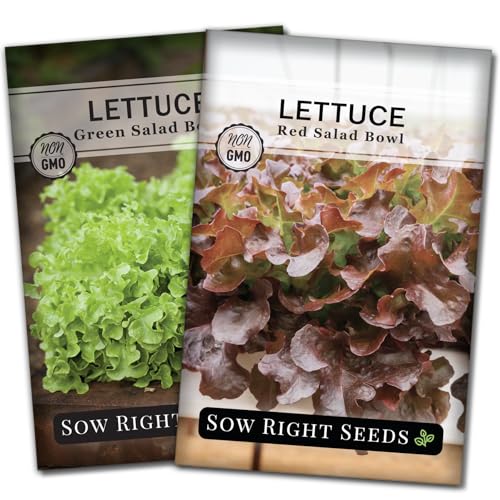
Beautiful - Large premium packets of Red and Green Salad Bowl Lettuce (Lactuca sativa) seeds. Dive into fresh, vibrant salads anytime with this colorful collection of frilly lettuce. These adaptable varieties ensure you always have crisp, flavorful leaves at your fingertips!

Loose Leaf Lettuce variety forms large rosette with tender light green leaves that are bitter-free; Can be sown all year round but grows best in the spring and fall
Materials Needed
- Lettuce Head: Choose a fresh lettuce head like Romaine or Butterhead. The fresher it is, the better your results.
- Container: Use a shallow container or bowl for water. It needs enough space for the lettuce base to sit without submerging the leaves.
- Potting Soil: Obtain quality potting soil for later planting. Look for a mix that promotes good drainage.
- Fertilizer: Choose a balanced, water-soluble fertilizer to provide nutrients after planting. Follow the recommended usage instructions.
- Water: Have clean, room-temperature water ready for soaking the lettuce base.
Choosing the Right Location
Selecting the right spot for growing lettuce impacts its growth.
- Sunlight: Ensure your location receives 6-8 hours of indirect sunlight each day. Too much direct sunlight can damage the leaves.
- Indoors or Outdoors: Decide if you prefer to grow indoors on a windowsill or outdoors in a garden bed or container. Choose the option that fits best with your space and climate.
- Temperature: Lettuce thrives in cooler temperatures, ideally between 60°F and 70°F. Avoid placing it where it might get too hot, such as near heating vents or in direct afternoon sun.
By preparing adequately, you set a strong foundation for your lettuce to grow healthily and robustly.
How to Grow Lettuce from Lettuce Head
Growing lettuce from a purchased head is simple and rewarding. Follow these steps to enjoy fresh greens in your home.
Recommended Products
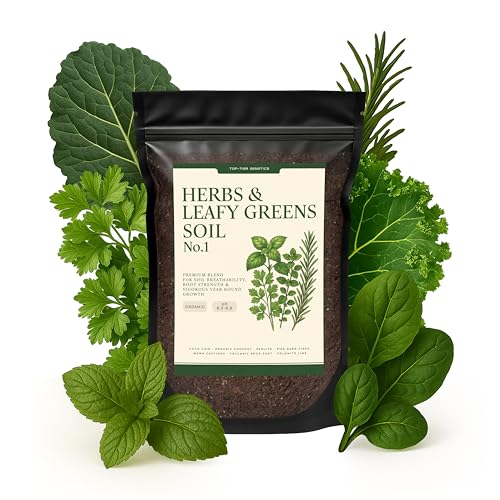
✔ VERSATILE BLEND: Premium potting mix specifically formulated for growing herbs and leafy greens indoors with optimal drainage and aeration

🌳 PROFESSIONALLY MIXED IN THE USA - Each bag is hand blended on our small family farm with premium horticultural grade ingredients: Coco Coir, Canadian Peat Moss, Perlite, Worm Castings- 1 QUART BAG
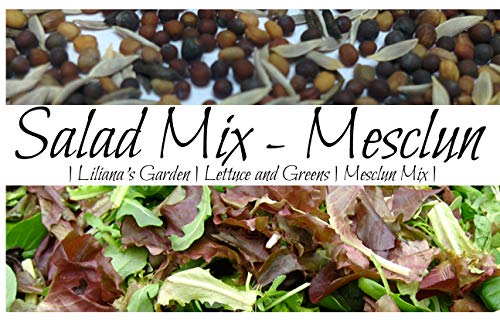
Yields and average of 180 salad leaf plants including varieties of arugula, endive, mustard greens, and more. Yields roughly 32 lbs of mature greens after just a full growing season, 40 days for baby greens.
Step-by-Step Process
- Choose a Fresh Lettuce Head: Select a firm lettuce head, like Romaine or Butterhead. Look for crisp leaves and avoid any indications of wilting.
- Cut the Base: Use a sharp knife to slice off the base of the lettuce head, leaving about an inch intact. This portion will sprout new leaves.
- Prepare a Container: Fill a shallow container with water, ensuring the base of the lettuce sits in it. The water should cover only the cut edges to prevent rot.
- Place in Sunlight: Position the container in a spot that receives indirect sunlight for 6-8 hours daily. A sunny windowsill works well.
- Change Water Regularly: Replace the water every few days to keep it fresh. This action promotes healthy growth and prevents bacteria.
- Transplant to Soil: After about a week, when you see new roots forming, transfer the lettuce to potting soil. Plant it at the same depth as it was in the water.
- Water and Care: Water the soil thoroughly after planting. Keep the soil consistently moist but not soggy. Monitor for pests and diseases.
- Use Quality Soil: Choose a nutrient-rich potting mix that retains moisture without becoming waterlogged.
- Maintain Ideal Temperature: Keep your plants in a cool environment, ideally between 60°F and 70°F, for optimal growth.
- Fertilize Sparingly: Use a balanced fertilizer every few weeks to support healthy development, but don’t overdo it, as excess nutrients can harm the plant.
- Harvesting Time: When the leaves are plentiful, trim them regularly from the outer edges. This extends the plant’s life and provides a continuous harvest.
- Watch for Signs of Stress: If leaves turn yellow or limp, check for water levels or pests. Adjust care as needed to revive the plant.
Following these procedures and tips sets the stage for a successful lettuce growing experience. Enjoy the process of nurturing your fresh greens.
Common Challenges and Solutions
Growing lettuce from a purchased head can present challenges. Understanding these common issues and their solutions helps ensure a thriving crop.
Recommended Products

FUNGAL DISEASE CONTROL: Prevents and controls black spot on roses, powdery mildew, rust, downy mildew, and other listed fungal diseases when applied on a 7–14 day schedule
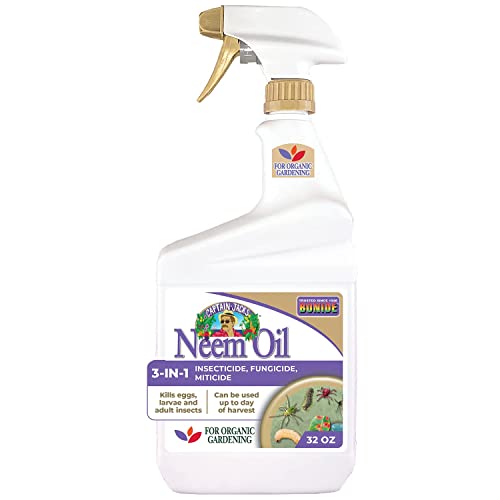
Protect your oasis with 3 garden products in 1 from Captain Jack’s; Bonide Captain Jack’s Ready-to-Use Neem Oil spray for plants is a multi-purpose fungicide, insecticide and miticide for your lawn & garden
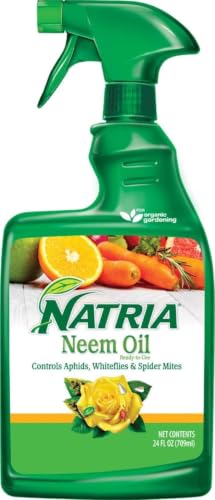
PLANT DISEASE CONTROL: Natria Neem Oil acts as an insecticide and fungicide in one convenient spray; Ready-to-use trigger sprayer requires no mixing
Pests and Diseases
Pests and diseases can affect your lettuce growth. Common pests include aphids, slugs, and spider mites. To combat these pests, consider using neem oil or insecticidal soap. Regularly inspect your plants for signs of pests, such as holes in the leaves or sticky residue.
Diseases like powdery mildew and downy mildew can occur in humid conditions. To prevent these issues, ensure proper air circulation by spacing the plants adequately. Water the base of the plants instead of overhead to keep foliage dry. If you notice any diseased leaves, remove them immediately to stop the spread.
Environmental Factors
Environmental factors influence lettuce growth significantly. Temperature plays a vital role; lettuce thrives best in temperatures between 60°F and 70°F. If temperatures rise above 75°F, lettuce may bolt, which means it goes to seed and becomes bitter. To mitigate this, provide shade during the hottest parts of the day.
Sunlight is crucial, too. Lettuce requires 6-8 hours of indirect sunlight daily. If you’re growing indoors, consider rotating your plants or using grow lights to ensure even exposure. Monitor soil moisture, as lettuce prefers consistently moist soil. Check regularly, and water when the top inch of soil feels dry.
By addressing pests, diseases, and environmental factors, you enhance your chances for a successful lettuce harvest.
Conclusion
Growing lettuce from a head you bought is not just fun but also a great way to enjoy fresh greens at home. You’ll find that it’s rewarding to watch your lettuce thrive while knowing you’re reducing waste.
With just a little care and attention you can have a continuous supply of crunchy lettuce for your salads and sandwiches. Remember to keep an eye on your plants for any signs of trouble and address any issues promptly.
So grab that leftover lettuce head and get started on your gardening adventure. You’ll be amazed at how easy it is to cultivate your own delicious produce right from your kitchen scraps. Happy gardening!
Frequently Asked Questions
Can I really regrow lettuce from scraps?
Yes, you can easily regrow lettuce from scraps! Simply cut the base of a purchased lettuce head, place it in a shallow container with water, and watch it sprout new leaves in just a few days.
What types of lettuce can I grow at home?
You can grow various types of lettuce at home, including Romaine, Butterhead, Iceberg, Leaf, and Red Lettuce. Each type has unique characteristics and flavors suitable for different dishes.
What materials do I need to grow lettuce from scraps?
To grow lettuce from scraps, you’ll need a fresh lettuce head, a shallow container, clean water, potting soil, and some fertilizer. These materials help ensure successful growth.
How much sunlight does lettuce need?
Lettuce grows best in an area that receives 6-8 hours of indirect sunlight daily. This optimal lighting helps promote healthy growth without overheating the plants.
What is the ideal temperature for growing lettuce?
The ideal temperature range for growing lettuce is between 60°F and 70°F. Maintaining this temperature helps create a comfortable environment for the plants to thrive.
How do I care for my growing lettuce?
To care for your growing lettuce, change the water regularly, transplant it into nutrient-rich soil once roots form, and water it as needed while ensuring it has adequate sunlight and proper temperature.
What pests should I watch for when growing lettuce?
Common pests include aphids, slugs, and spider mites. Keep an eye out for signs and consider using neem oil or insecticidal soap to manage any infestations.
How can I prevent diseases in my lettuce plants?
Prevent diseases like powdery mildew by ensuring good air circulation and using proper watering techniques. Avoid overhead watering and maintain adequate spacing between plants.
When is the best time to harvest my lettuce?
You can harvest lettuce once the leaves are large enough to eat—usually 4-6 weeks after planting. Be sure to monitor the plants for any signs of stress during this growth period.
What are the nutritional benefits of lettuce?
Lettuce is low in calories and high in vitamins A and K. It also contains antioxidants, hydrates the body, and provides dietary fiber, making it a great healthy choice for meals.
