

Do you wish you could enjoy fresh, crisp lettuce from your garden sooner? Growing lettuce can feel like a waiting game, especially when you’re eager to add it to your salads and sandwiches.
You’re not alone in wanting to speed up the process. Many gardeners face the same challenge of slow growth. The good news is that with the right techniques and tips, you can have your lettuce thriving in no time.
Key Takeaways
- Understand Lettuce Varieties: Familiarize yourself with different types of lettuce, such as Butterhead, Romaine, and Leaf Lettuce, each with unique growth traits that can influence your planting choices.
- Optimal Growth Conditions: Ensure your lettuce has appropriate soil quality, sunlight (6-8 hours), and consistent moisture to thrive, while maintaining ideal temperatures between 60°F to 70°F.
- Seed Selection Matters: Choose fast-growing seed varieties and consider starting plants indoors to gain a head start on the growing season for quicker yields.
- Watering Techniques: Implement consistent watering practices, ensuring deep watering 1-2 times a week, which is crucial for promoting robust lettuce growth.
- Pest and Disease Management: Identify and manage common pests (like aphids and cutworms) and prevent diseases through proper soil health and irrigation methods.
- Timely Harvesting: Know when to harvest based on the lettuce type to maximize flavor and yield, using techniques that promote regrowth for multiple harvests throughout the season.
Understanding Lettuce Growth
Lettuce growth involves various factors that determine how quickly and effectively your plants develop. Understanding these factors helps you boost your lettuce’s growth rate and yield in your garden.
Types of Lettuce
Lettuce comes in several varieties, each with unique growth characteristics. Here are three common types:
- Butterhead: This type, including Boston and Bibb, forms loose, round heads. Butterhead lettuce grows quickly in cool weather, making it perfect for early spring planting.
- Romaine: Romaine lettuce has long, upright leaves. It takes a bit longer to mature but offers a robust flavor and texture. Plant it in late spring for the best results.
- Leaf Lettuce: Leaf varieties, such as red leaf and green leaf, grow rapidly and can be harvested multiple times. They thrive in cool temperatures and are ideal for continuous harvests throughout the growing season.
Growth Requirements
Lettuce grows best under specific conditions. Here’s what you should provide:
- Soil Quality: Use well-draining, nutrient-rich soil. A pH of 6.0 to 6.8 promotes optimal growth. Incorporate compost or well-rotted manure to enrich the soil.
- Sunlight: Lettuce prefers full sun, requiring 6 to 8 hours of direct sunlight daily. If temperatures soar, partial shade during the hottest part of the day may prevent bolting.
- Watering: Consistent moisture is crucial for lettuce. Water the plants deeply to ensure the roots grow strong. Aim for about 1 inch of water per week, allowing the soil to dry slightly between waterings.
- Temperature: Ideal temperatures for lettuce range from 60°F to 70°F. Extreme heat can cause bolting, leading to bitter-tasting leaves. If temperatures rise, consider using shade cloth or row covers.
- Spacing: Proper spacing allows for air circulation and nutrient access. Space seedling rows 12 to 18 inches apart, with seedlings 6 to 12 inches apart in each row.
By understanding the types of lettuce and their growth requirements, you set a solid foundation for accelerating your lettuce production. Each component plays a crucial role in creating an environment where your lettuce can thrive.
Optimal Growing Conditions
Creating the right environment speeds up lettuce growth. Focus on sunlight, temperature, soil quality, and pH to maximize your success.
Recommended Products

Quick, at home results for Soil pH, Nitrogen, Phosphorous and Potash Innovative and inexpensive soil test kit features an easy-to-use capsule system and patented color comparators

Accurate Soil pH Testing: Dewildetradingco Soil pH Test Strips offer measurements of soil pH levels (pH 3.5-9). As an essential tool for every gardener and grower, these test strips help determine the optimal pH for various plants, such as outdoor plants, indoor plants, gardens, grass lawns, fruit trees, flowers, vegetables, and forest shrubs.

Kindly NOTE: This soil tester can not be applied to test pH value of any other liquid. If the soil is too dry the indicator will not move, and water it before testing.
Sunlight and Temperature
Lettuce thrives in full sun for at least 6-8 hours a day. Sunlight boosts photosynthesis, which promotes rapid growth. If afternoon sun is intense, it’s beneficial to provide some shade, especially during warmer months.
Temperature plays a crucial role as well. Lettuce grows best when daytime temperatures range from 60°F to 70°F. At night, temperatures should ideally stay between 45°F and 55°F. If temperatures exceed 75°F, lettuce may bolt or become bitter. You can use row covers or shade cloths to help maintain optimal temperatures during heatwaves.
Soil Quality and pH
Soil quality significantly impacts lettuce growth. Use well-draining, nutrient-rich soil high in organic matter. A mix of compost and aged manure ensures your plants receive essential nutrients.
Lettuce prefers a soil pH between 6.0 and 7.0. Test your soil’s pH using a simple kit from a garden center. If your soil is too acidic, add lime to raise the pH. For alkaline soil, incorporate sulfur to lower the pH. Maintaining the correct pH helps promote nutrient uptake, leading to healthier, faster-growing lettuce.
Quick Growth Techniques
Growing lettuce quickly requires a few key techniques that maximize its growth potential. Effective seed selection and proper watering strategies can significantly impact the speed at which your lettuce matures.
Recommended Products

Targeted Root Irrigation: Water gently seeps out from the hose to evenly water the root zone, keeping surrounding soil consistently moist. Reduce runoff and nutrient loss while protecting delicate plants and young fruits

【Even & Consistent Root Watering】Features micro-pore seepage technology that distributes water evenly along the entire hose, transforming spot watering into uniform line watering directly to plant roots. Unlike traditional drip irrigation systems with clog-prone emitters, this soaker hose creates a continuous moisture band for healthier, deeper-rooted plants

Higher Cost Performance Provide: enough length soaker hoses to get higher cost performance,and our 1/4 " diameter soaker hose set not only include 100 Ft length soaker hose but also include a rich range of accessories for a variety of uses,help you make custom length soaker hoses cheap & easy.
Seed Selection
Choosing the right lettuce seeds leads to faster growth. Look for varieties specifically bred for quick maturation. Here are some examples:
- Butterhead: This type thrives in cooler weather and matures within 50-55 days.
- Leaf Lettuce: Harvest regularly, as it reaches maturity in just 30-40 days.
- Romaine: Though slower, specific fast-growing Romaine varieties can mature in about 60 days.
Start seeds indoors, around 4-6 weeks before the last frost date. This method gives seedlings a head start. Alternatively, direct-seed in the garden once soil temperatures reach at least 45°F.
Opt for seeds labeled as “bolt-resistant” or “fast-growing” for optimal results, especially in warmer climates.
Watering Strategies
Consistency in watering encourages rapid growth for your lettuce. Aim for the following practices:
- Frequency: Water the plants deeply 1-2 times a week, ensuring the soil remains consistently moist but not soggy.
- Timing: Water in the early morning or late afternoon. This timing prevents moisture loss during the hottest parts of the day and helps reduce fungal diseases.
- Method: Use a soaker hose or drip irrigation to deliver water directly to the root zone. This technique minimizes water on foliage and prevents leaf rot.
Monitor the soil moisture level regularly. A simple finger test can help; if the top inch of soil feels dry, it’s time to water. Adjust your watering schedule based on weather conditions, increasing frequency during hot spells.
By focusing on seed selection and implementing efficient watering strategies, you can significantly accelerate the growth of your lettuce, ensuring a bountiful harvest in no time.
Pest and Disease Management
Effective pest and disease management is essential for fast and healthy lettuce growth. Protecting your plants from harmful pests and diseases ensures a bountiful harvest.
Recommended Products
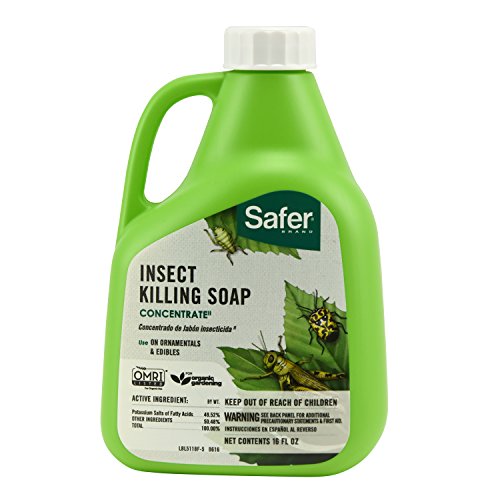
GENTLE ON MOST PLANTS - This aphid spray is ideal for use on flowers, herbs, vegetables, houseplants, lawn, tree, shrubs, and more

EASY TO USE: The ready-to-use indoor bug spray bottle makes application easy

3-IN-1 GARDEN CARE SPRAY - Earth’s Ally 3-in-1 Plant Spray is a ready-to-use botanical oil spray designed for indoor and outdoor plant care. The houseplant pest spray effectively kills and controls soft-bodied insects and common plant diseases with a synergistic blend of essential oils.
Common Pests
Identify common pests that target lettuce, including:
- Aphids: Small, soft-bodied insects that suck plant sap, leading to stunted growth. Use insecticidal soap or introduce natural predators like ladybugs.
- Cutworms: Larvae that can sever young stems at the soil level. Set up barriers, such as cardboard collars around seedlings, to deter them.
- Lettuce root aphid: A pest that attacks the roots, causing wilting and poor growth. Employ beneficial nematodes to manage populations in the soil.
Regularly check for signs of these pests on your plants. Early intervention protects your lettuce from significant damage.
Disease Prevention
Preventing diseases is critical for maintaining healthy lettuce. Focus on:
- Soil Health: Use well-draining, nutrient-rich soil to avoid fungal issues. Rotate crop locations each season to reduce disease buildup in the soil.
- Water Management: Water at the base of the plants to keep leaves dry. This helps prevent diseases like downy mildew.
- Air Circulation: Space seedlings appropriately to maintain airflow. Proper spacing minimizes humidity, reducing disease risk.
- Disease-Resistant Varieties: Choose seed varieties resistant to common diseases for added protection.
Monitor your lettuce regularly for any signs of disease, such as yellowing leaves or wilting. Act quickly if you notice symptoms by removing affected plants and applying organic fungicides as needed.
By managing pests and diseases effectively, you can support rapid lettuce growth and enjoy healthy, homegrown produce.
Harvesting Tips
Harvesting lettuce at the right time maximizes flavor and yield. Timing affects the overall quality and enhances your enjoyment of fresh produce.
Timing Your Harvest
Harvesting takes place at various stages, depending on the type of lettuce. Aim for maturity if you prefer full flavor.
- Leaf Lettuce: Collect leaves individually when they are young and tender. This encourages further growth and allows for multiple harvests.
- Butterhead: Harvest the entire plant once the head forms and feels firm. It typically takes 50-60 days from planting.
- Romaine: Cut the heads when they reach about 6-8 inches tall, around 75-80 days after planting.
Check daily to monitor leaf size and condition. You’ll maximize taste and texture when harvested at their peak.
Techniques for Maximum Yield
Employing specific techniques during harvest ensures you get the most from your lettuce plants.
- Use a Clean Knife or Scissors: Prevent infection and damage to neighboring leaves. A sharp cut leaves no ragged edges.
- Harvest in the Morning: This timeframe captures lettuce at its freshest, maximizing crunchiness and flavor.
- Leave Some Leaves: Always cut above the crown, leaving some leaves intact. This encourages regrowth and prolongs your harvest.
By following these simple techniques, you’ll enjoy abundant and flavorful lettuce throughout the growing season. Keep an eye on your plants, and don’t hesitate to collect them at the prime moment for the best results.
Conclusion
Growing lettuce doesn’t have to be a slow process. With the right techniques and a little attention to detail you can enjoy fresh, crisp lettuce in no time. By focusing on optimal growing conditions and effective watering strategies you’ll set your plants up for success.
Don’t forget to keep an eye out for pests and diseases. A proactive approach will help you maintain healthy plants and a bountiful harvest. When it’s time to harvest remember to pick at the right moment for the best flavor.
With these tips in hand you’re ready to grow delicious lettuce that’ll elevate your salads and sandwiches. Happy gardening!
Frequently Asked Questions
How can I grow lettuce quickly for salads and sandwiches?
To grow lettuce quickly, choose fast-maturing varieties like Butterhead or Leaf Lettuce, and start seeds indoors 4-6 weeks before the last frost. Ensure they get plenty of sunlight (6-8 hours) and maintain consistent soil moisture without overwatering.
What are the ideal growing conditions for lettuce?
Lettuce thrives in cool temperatures (60°F to 70°F during the day, 45°F to 55°F at night) with well-draining, nutrient-rich soil. It also requires full sun, adequate spacing, and a soil pH of 6.0 to 7.0 for optimal growth.
What pests should I watch for while growing lettuce?
Common pests include aphids, cutworms, and lettuce root aphids. To control them, use insecticidal soap, beneficial nematodes, and regularly check your plants for signs of infestation early on.
When is the best time to harvest lettuce?
Harvest Leaf Lettuce when young and tender, Butterhead once the head feels firm (about 50-60 days), and Romaine when it reaches 6-8 inches tall (around 75-80 days). Check daily for optimal leaf size.
How do I maintain soil health for lettuce growth?
Ensure your soil is well-draining and rich in organic matter. Regularly amend it with compost and monitor the pH, adjusting it to stay between 6.0 and 7.0 if necessary. Healthy soil promotes robust lettuce growth.
