

Have you ever thought about growing your own fresh lettuce but felt overwhelmed by traditional gardening? You’re not alone. Many people want to enjoy homegrown greens without the hassle of soil, pests, and unpredictable weather. That’s where aquaponics comes in—a simple and efficient way to cultivate lettuce while also raising fish.
Key Takeaways
- Aquaponics Basics: Aquaponics is a sustainable system that combines fish farming and hydroponics, allowing you to grow lettuce while raising fish in a controlled environment.
- Benefits of Aquaponics: This method offers soil-free growth, significant water efficiency (up to 90% less than traditional gardening), faster plant growth, and promotes sustainable practices.
- Setting Up the System: Key elements for a successful aquaponics setup include choosing the right location, necessary equipment (fish tank, grow beds, pumps), and ensuring compatibility between materials.
- Selecting Lettuce Varieties: Opt for fast-growing and pest-resistant lettuce varieties like Romaine and Butterhead, considering your environment, space constraints, and personal tastes.
- Effective Management Practices: Use techniques such as proper seed germination, nutrient monitoring, and regular maintenance to ensure optimal growth and health of both plants and fish.
- Pest Control: Adopt integrated pest management strategies to protect your lettuce, including manual removal, beneficial insects, and natural repellents like neem oil.
Understanding Aquaponics
Aquaponics combines aquaculture and hydroponics, creating a sustainable system for growing plants and raising fish together. This method allows you to cultivate fresh lettuce while also producing fish in a controlled environment.
What Is Aquaponics?
Aquaponics involves circulating water from fish tanks to plant beds. As fish produce waste, it’s converted into nutrients for plants through beneficial bacteria. This natural nutrient cycle benefits both fish and plants. Fish receive clean water, while plants gain essential nutrients for growth. Various systems, such as media bed or nutrient film, can be used depending on your space and preferences.
Benefits of Aquaponics for Growing Lettuce
Growing lettuce through aquaponics offers several advantages:
- Soil-Free Growth: You avoid soil-related issues, such as pests and diseases.
- Water Efficiency: Aquaponics uses up to 90% less water than traditional gardening since water recirculation reduces waste.
- Faster Growth: Plants typically grow faster in nutrient-rich water, leading to quicker harvests.
- Sustainable Practices: The closed-loop system promotes environmental sustainability by reducing chemical fertilizer use.
- Companion Planting: You can grow lettuce alongside edible fish, diversifying your home garden while optimizing space.
Implementing aquaponics can transform your approach to gardening, offering a rewarding way to produce your own fresh lettuce.
Setting Up Your Aquaponics System
Creating an effective aquaponics system requires careful planning and organization. This ensures the optimal growth of your lettuce and the health of your fish.
Recommended Products
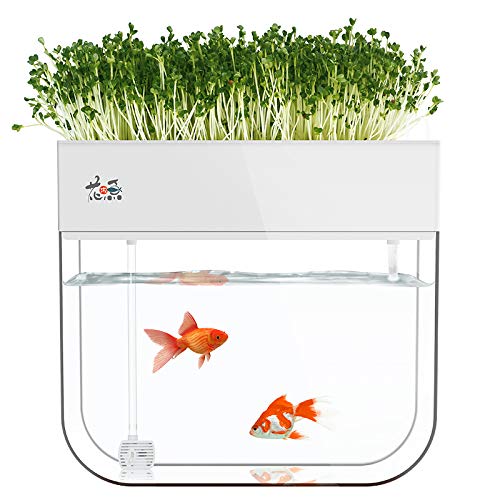
Fish Tank & Seed Sprouter: The fish waste fertilizes the plants, and the plants clean the water for fish.

BETTA TANK & HYDROPONIC PLANTER: See nature in motion through our Aqua-Ponic Tanks! Each fish tank is made from ultra-clear plastic, and replicates nature’s metabolic cycle by providing a healthy and symbiotic environment for fish and plants.

【All-in-One Aquarium Kit】: This 11.8"L × 7.1"W × 7.3"H betta aquarium (1.8 gallons) ships with everything needed—1*fish tank, 1*silent pump, 1*tricolor led light, 1*cover with hydroponic basket. You just need to prepare water and fish. Transform any space instantly into a vibrant, maintenance-minimal aquatic showcase
Choosing the Right Location
Select a location that provides adequate light and easy access to water and electricity. A space with at least 6 hours of sunlight per day is ideal for plant growth. Indoor setups should consider grow lights if natural light is insufficient. Ensure the site is well-ventilated and protected from extreme weather conditions. If you place your system outside, consider a sheltered area to minimize temperature fluctuations.
Essential Equipment and Materials
Gather the following essential equipment and materials to set up your aquaponics system:
- Fish Tank: A sturdy tank design, ranging from 20 to 200 gallons, accommodates fish species like tilapia or goldfish.
- Grow Beds: Use containers or rafts to hold your lettuce plants. Options include wicking beds, media-based beds, or deep water culture systems.
- Aquaponics Pump: A reliable water pump circulates water between the fish tank and grow beds. Choose a pump with a flow rate that matches your system’s size.
- Air Pump: An air pump with stones ensures dissolved oxygen levels remain high for fish and beneficial bacteria.
- Pipe System: PVC pipes transport water and nutrients. Ensure the piping fits snugly to prevent leaks.
- Water Testing Kits: Regular testing of pH, ammonia, nitrite, and nitrate levels helps maintain a healthy environment.
- Beneficial Bacteria: Introduce beneficial bacteria to jump-start the nitrification process, converting fish waste into nutrients.
Ensure you verify compatibility between equipment and materials to guarantee an efficient aquaponics system.
Selecting Lettuce Varieties
Choosing the right lettuce varieties is key for a successful aquaponics setup. Different types of lettuce thrive under various conditions, so consider your environment, maintenance level, and taste preferences when making selections.
Recommended Products

Healthy Food Source: Because of its tender flavor, lettuce is a popular vegetable for salad, sandwiches, wraps, soups, stir-fries and juice. There are over 20,000 seeds, 10 kinds of lettuce collection, including bibb, boston, iceberg, buttercrunch, grand rapids TBR, oakleaf, ruby leaf, cimmaron romaine and waldmann's
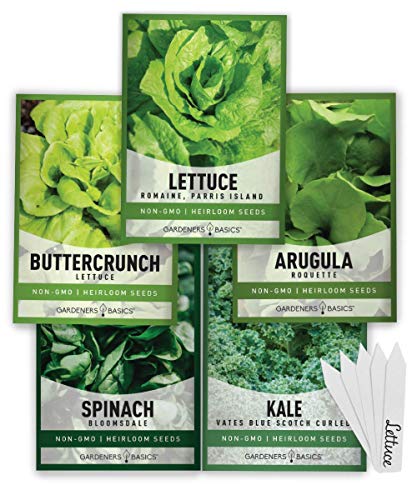
Five leafy greens varieties: Plant Parris Island romaine lettuce seeds, Buttercrunch lettuce seeds, Roquette arugula seeds, Vates Blue Scotch Curled kale seeds, and Bloomsdale spinach seeds. Includes 4,500+ seeds in five separate labeled packets.

USDA Certified Organic by Oregon Tilth
Popular Lettuce Varieties for Aquaponics
- Romaine Lettuce: Known for its crunchy texture and nutrient density, romaine grows well in aquaponics systems. It matures in about 60 to 70 days.
- Butterhead Lettuce: This variety features soft, buttery leaves. Its fast growth cycle of 45 to 55 days makes it a favorite for quick harvests.
- Leaf Lettuce: Leaf lettuce varieties, like green or red leaf, offer great flavor and texture. They thrive in aquaponics and can be harvested multiple times.
- Oak Leaf Lettuce: With its unique leaf shape, oak leaf lettuce has a delicate texture. It grows rapidly, usually ready to harvest within 45 days.
- Iceberg Lettuce: Crunchy and crisp, iceberg lettuce grows well but requires more time than other varieties, typically taking 80 to 90 days to reach maturity.
- Growth Rate: Select varieties that match your harvesting schedule. Fast-growing types help maintain a steady supply of fresh greens.
- Nutrient Requirements: Different lettuce types have varying nutrient needs. Choose varieties that thrive in the specific nutrient levels of your aquaponics system.
- Space Constraints: Consider the grow beds’ size in your system; more compact varieties fit better in limited spaces.
- Temperature Tolerance: Lettuce typically prefers cooler temperatures. Ensure the varieties you choose can handle the climate conditions in your setup.
- Pest Resistance: Opt for more disease and pest-resistant varieties to reduce maintenance efforts and increase yields.
Selecting the right lettuce varieties sets the foundation for a productive aquaponics system. By understanding your preferences and system conditions, you can enjoy a thriving garden of fresh greens.
Growing Lettuce in Aquaponics
Growing lettuce in aquaponics combines the benefits of sustainable gardening with efficient plant care. You can enjoy fresh greens while minimizing resource use. Here are key techniques and management practices to ensure successful lettuce growth.
Planting Techniques
- Seed Selection: Choose lettuce seeds that thrive in aquaponics. Varieties like Romaine and Butterhead adapt well. Consider local climate for optimal results.
- Seed Germination: Start seeds in a germination tray filled with a soilless medium, such as coconut coir or rock wool. Moisten the medium lightly. Maintain warmth and humidity until seeds sprout.
- Transplanting: Once seedlings develop 2-4 true leaves, transplant them into grow beds. Space plants 6-12 inches apart for proper airflow and growth. Ensure roots have access to the nutrient-rich water.
- Floating Rafts: Use floating raft systems for lettuce. These systems allow roots to hang in nutrient water while foliage remains above the surface. Adjust raft height to maximize growth.
- Light Requirements: Provide adequate lighting essential for lettuce growth. Aim for 14-16 hours of light daily. If using grow lights, place them 12-24 inches above the plants to avoid burning.
- Water Quality: Monitor water quality regularly. Maintain a pH between 6.0 and 7.0 for optimal nutrient absorption. Test water for ammonia, nitrites, and nitrates, ensuring balanced levels for fish and plants.
- Fish Selection: Choose fish that produce enough waste to nourish plants. Fish like tilapia, goldfish, and catfish thrive well in aquaponic systems while providing essential nutrients.
- Beneficial Bacteria: Introduce beneficial bacteria to convert fish waste into plant nutrients. Use starter kits or seeds from established systems. Healthy bacteria support strong plant growth.
- Nutrient Flow: Optimize water flow between fish tanks and grow beds. Ensure sufficient circulation to distribute nutrients evenly. Adjust pump speeds to maintain appropriate flow rates.
- Regular Monitoring: Keep tabs on nutrient levels and plant health. Look for signs of deficiencies, such as yellowing leaves or stunted growth. Address issues promptly to enhance overall system performance.
By implementing these planting techniques and managing nutrients effectively, you create a thriving aquaponics environment that yields abundant lettuce. Enjoy the satisfaction of growing your own greens while promoting sustainability.
Maintaining Your Aquaponics System
Maintaining your aquaponics system is crucial for the health of your lettuce and fish. Regular care ensures an optimal environment for both components of the system.
Recommended Products

Contains one (1) API FRESHWATER MASTER TEST KIT 800-Test Freshwater Aquarium Water Master Test Kit, including 7 bottles of testing solutions, 1 color card and 4 tubes with cap

Professional Quality Testing Kit: The AAwipes Aquarium test kit (50 strips) is developed by experts for fish enthusiasts. It offers 8-in-1 testing capabilities, made with high-quality fiber paper and non-bleeding colors. The kit measures key parameters like Free Chlorine, Nitrate, Nitrite, Hardness, Sodium Chloride, Total Alkalinity, pH and Ammonia nitrogen. By identifying potential issues, our fish tank testing kit helps prevent hidden water problems and ensures the safety and well-being of your fish.

Ph Test Kit
Water Quality and pH Levels
Maintain balanced water quality for healthy plants and fish. Check pH levels weekly, targeting a range of 6.0 to 7.0 for ideal lettuce growth. Use water testing kits to monitor ammonia, nitrites, and nitrates, keeping ammonia and nitrites at zero to avoid harmful conditions.
- Ammonia: Aim for levels below 0.5 ppm.
- Nitrates: Maintain between 5-40 ppm.
- Temperature: Keep water temperature stable, ideally between 65°F and 75°F.
Conduct partial water changes every two weeks to refresh nutrients and improve clarity. Ensure your filtration system functions effectively to remove excess waste. If pH levels drift outside the ideal range, use pH adjusters specifically designed for aquaponics.
Pest Control Strategies
Implementing effective pest control strategies prevents damage to your lettuce. Regularly inspect plants for pests such as aphids and spider mites. Early detection makes management easier.
- Manual Removal: Hand-pick any visible pests from leaves.
- Natural Predators: Introduce beneficial insects like ladybugs that prey on harmful pests.
- Neem Oil: Apply diluted neem oil to affected areas to deter pests without harming fish.
- Sticky Traps: Use yellow sticky traps to monitor and capture flying pests.
Follow an integrated pest management approach. This combines multiple strategies to keep your lettuce healthy and thriving without relying solely on harsh chemicals. Scout regularly and adjust your strategies based on observed pest populations.
Conclusion
Growing lettuce through aquaponics is a rewarding adventure that offers fresh greens right at your fingertips. By embracing this sustainable method, you’re not only cultivating delicious lettuce but also nurturing a balanced ecosystem that benefits both plants and fish.
With the right setup and maintenance practices in place, you’ll enjoy the fruits of your labor while minimizing environmental impact. Keep experimenting with different lettuce varieties and techniques to find what works best for you.
Dive into this exciting journey and watch your aquaponics garden thrive!
Frequently Asked Questions
What is aquaponics?
Aquaponics is a sustainable farming method that combines aquaculture (raising fish) and hydroponics (growing plants in water). In this system, fish waste provides nutrients for plants, while the plants filter and clean the water for the fish, creating a symbiotic environment.
What are the benefits of growing lettuce through aquaponics?
Growing lettuce in aquaponics requires no soil, uses up to 90% less water than traditional gardening, and can result in faster growth due to nutrient-rich water. This method also allows for companion planting with fish and reduces the need for chemical fertilizers.
How do I set up an aquaponics system?
To set up an aquaponics system, choose a suitable location with adequate light and access to water and power. Essential equipment includes a fish tank, grow beds, a pump system, and beneficial bacteria. Proper planning and organization are crucial for success.
What types of lettuce are best for aquaponics?
Popular lettuce varieties for aquaponics include romaine, butterhead, leaf, oak leaf, and iceberg. Key factors to consider when selecting varieties are growth rates, nutrient needs, space constraints, temperature tolerance, and resistance to pests.
How do I care for my aquaponics system?
Maintain your aquaponics system by regularly monitoring water quality and pH levels, ideally between 6.0 and 7.0. Regular tests for ammonia, nitrites, and nitrates help ensure the health of both fish and plants. Implement integrated pest management strategies to keep plants healthy without chemicals.
